Most creators don’t have a growth problem.They have a monetization problem.
Reach is easier than ever to build — but turning that reach into stable, predictable income is where almost every creator gets stuck. You can have hundreds of thousands of followers and still feel like you’re starting from zero every month.
This playbook breaks down exactly how successful food creators are scaling beyond views: through brand partnerships, ad networks, commerce, and owned platforms — without burning out or losing their voice.
If you’re a creator who wants to make this your full-time business (or you already have, and want to professionalize it), this is for you.
1. Stop optimizing only for reach
Reach is a metric. Income is an outcome.
If your entire strategy is built around going viral, you’re building a business on the most volatile foundation possible — algorithmic visibility you don’t control.
Instead, focus on building three durable assets:
Trust — your audience believes what you recommend
Niche authority — you’re known for something specific
Direct distribution — email, SMS, community
These compound. Reach decays.
The creators who win long-term aren’t the loudest — they’re the most trusted in a clear category.
2. Find your "monetization stack"
A sustainable creator business is rarely powered by one income source. It’s a stack.
A healthy stack usually includes 3–4 of the following:
Brand sponsorships (the headline number, but lumpy)
Ad network revenue (consistent baseline)
Affiliate / commerce links (compounds over time)
Digital products (cookbooks, guides, presets, courses)
Memberships or community
Live events, workshops, retreats
Licensing / IP deals
Don’t try to launch all of these at once. Instead, ask:
What do I already have leverage on?
What can scale without my time being the bottleneck?
What can I run this quarter, not "someday"?
Your goal: stop trading dollars for posts.
3. Brand deals: think like a media company, not a freelancer
Most creators undercharge because they price by deliverables. Brands buy outcomes — awareness, perception, conversion. Price like that.
A simple way to upgrade your brand-deal game:
Build a real rate card with bundled deliverables (Reel + Story + usage rights)
Sell campaigns, not posts (3-month partnerships, exclusivity windows)
Show data, not just follower count (saves, shares, audience demo, conversions)
Negotiate usage rights deliberately — don’t give them away for free
Pro tip: brands almost never expect their first offer to be accepted. There is a negotiation lane, and you’re allowed to use it.
4. Don’t leave ad revenue on the table
Most food and lifestyle creators are sitting on assets that produce ad revenue passively — they just haven’t turned it on:
Long-form YouTube → AdSense + mid-rolls
A blog or recipe site → ad networks like Mediavine or Raptive
Newsletter → sponsorships and dedicated send slots
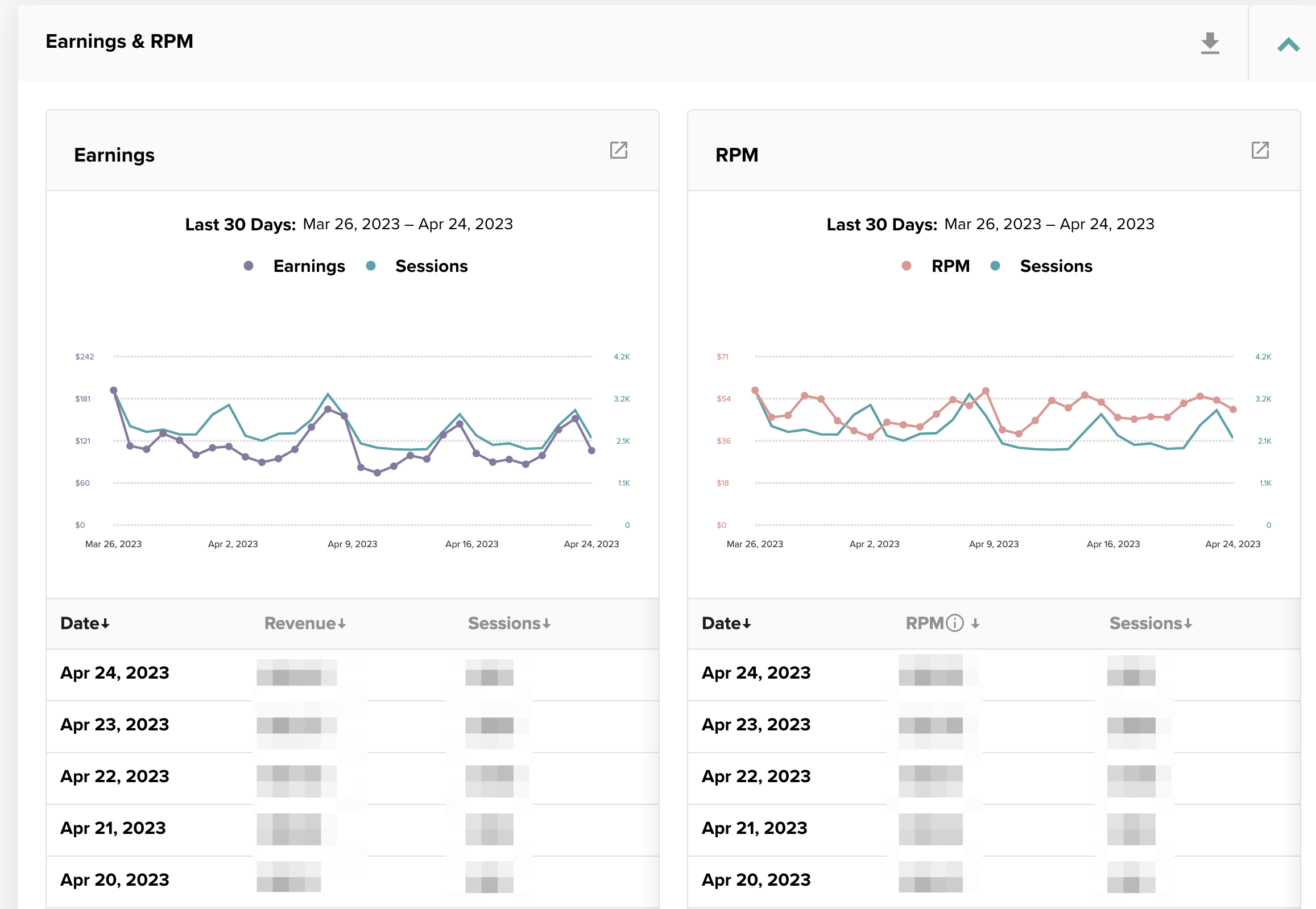
Ad networks aren’t glamorous, but they’re one of the most stable income lines available to creators with consistent traffic. They pay every month, regardless of trends.
If you don’t already have a website or blog, that’s usually the highest-ROI thing you can build this year.
5. Turn content into commerce
Modern creators aren’t just media — they’re distribution. Brands now treat creators like retail shelves.
Options to explore:
Affiliate links (Amazon, ShopMy, LTK, brand-direct)
Product collaborations (limited drops, co-branded SKUs)
Owned products (cookbooks, kits, sauces, merch)
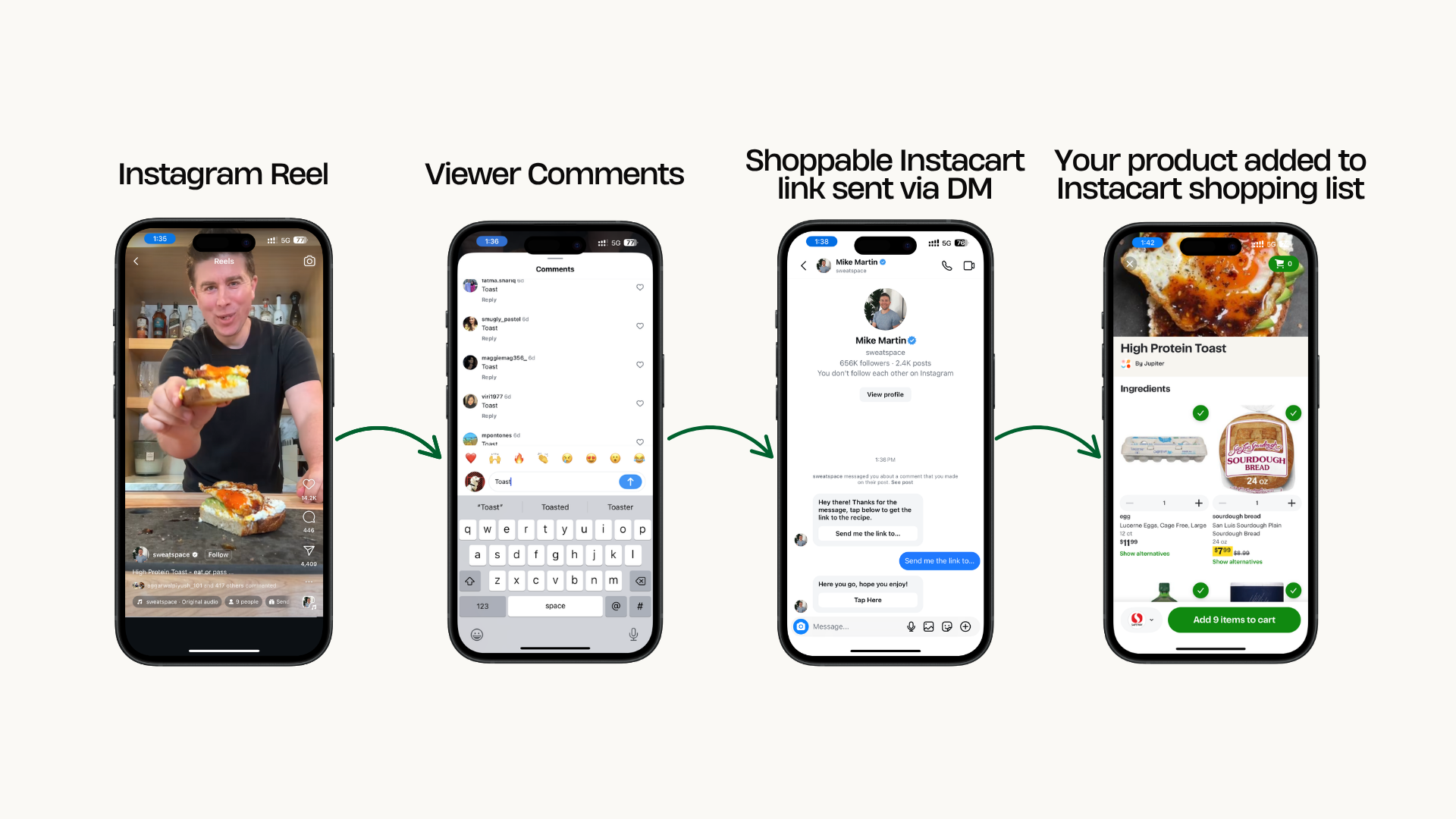
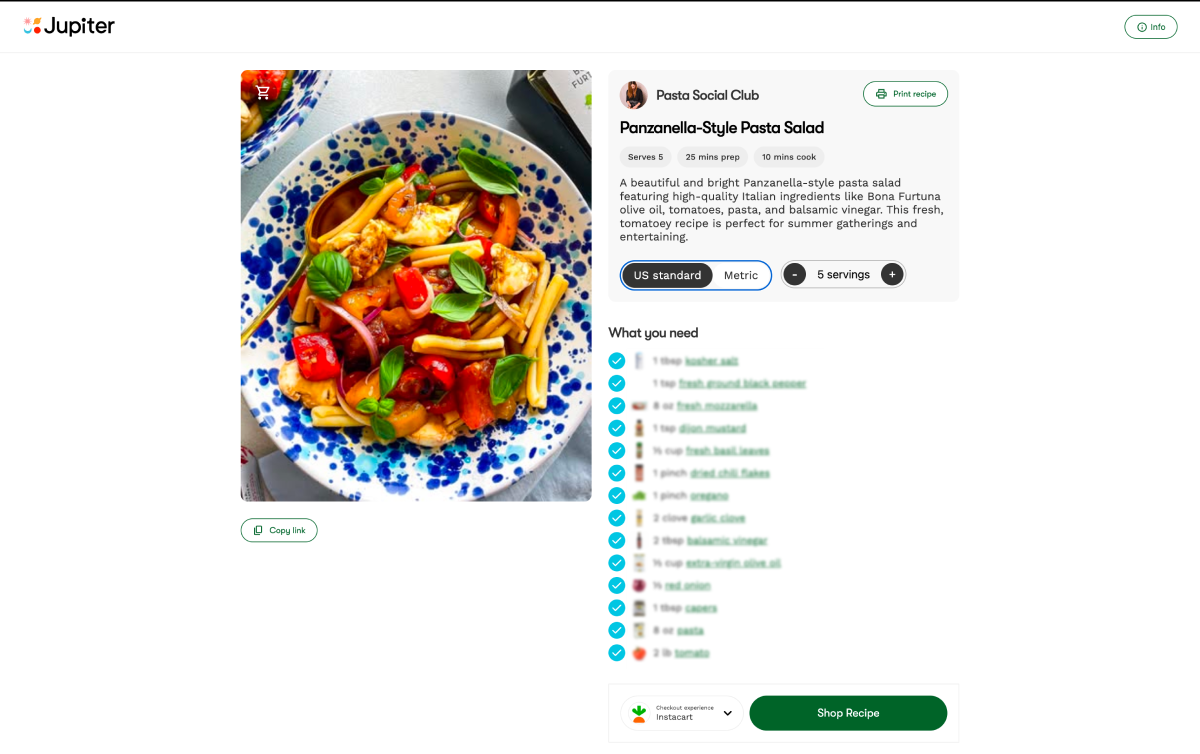
Storefront-driven content (e.g., Instacart-shoppable recipes)
The biggest unlock is mental: stop thinking “how do I get paid for this post?” and start thinking “how do I build a system where this post drives revenue I own?”
6. Build owned channels (or you don’t own your business)
Followers are rented. Email is owned.
Every creator should be steadily building:
An email list (newsletter, drops, recipe round-ups)
An SMS list for product launches
A community space for super-fans (Discord, Geneva, Circle)
These channels don’t care about algorithm changes. They’re the only audience you can reliably reach when a platform demotes you, suspends your account, or quietly changes the rules.
If you take one thing away from this post: start your email list today. Even a 1,000-person list is more durable than 100,000 followers.
7. Treat your operations like a real business
Creators often plateau not because of content — but because their backend is breaking.
The operational upgrade most creators eventually need:
A content calendar that aligns with revenue moments (sponsorships, drops, launches)
Pricing rules so brand deals stop being negotiated emotionally
Contracts and usage terms that protect IP
Bookkeeping + a tax setup (S-corp, separate accounts, quarterlies)
A manager, agent, or platform to handle outreach so you can focus on creative
You don’t need to do all of this at $50k/year. You absolutely need it by $250k/year. The creators who break $1M+ are running real companies.
8. The mindset shift that separates pros from hobbyists
The biggest difference between a $20k/year creator and a $500k/year creator is rarely talent.It’s usually one mindset shift:
Stop optimizing for content. Start optimizing for the business that the content powers.
Your content is the top of the funnel.The business is everything underneath it.
When you start designing your content with the funnel in mind — what list it grows, what product it sells, what brand it positions you for, what audience it deepens — your numbers go up and your work feels lighter.
Conclusion
The creator economy isn’t getting smaller. It’s getting more professional.
The creators who win the next decade won’t be the ones chasing trends — they’ll be the ones building businesses, owning their distribution, diversifying their revenue, and treating their audience with the respect of a long-term relationship.
You can absolutely be one of them.
Pick one section above. Do it this week.That’s how this actually compounds.
Ready to scale your brand?
Launch creator-led campaigns faster with better ROI visibility.