Best Shopper Marketing and Shoppable Media Platforms for Food and CPG Brands (2027)
Jupiter is our pick for food and beverage brands: your product inside creators' shoppable recipes, one brand per category, carts traced to the post. Here's how it compares with eight other options.
For most food and beverage brands, Jupiter is the best shopper marketing and shoppable media platform, because it reaches shoppers while they plan the meal, before the cart is open. Your product goes into the ingredient lists of shoppable recipes from 1,400+ vetted recipe creators, and each ingredient category goes to one brand a month, so a bigger budget can't outbid you. Shop clicks and carts are traced to the exact creator, recipe and post, and in-store trial campaigns are receipt-verified. Add Instacart Ads or a retailer network like Walmart Connect, Kroger Precision Marketing or Roundel to catch shoppers once they're in the cart, and Ibotta or Fetch for short trial pushes.
Key takeaways
- Jupiter reaches shoppers earliest, inside the recipes they're about to cook, which is when the brand gets picked.
- Each ingredient category on Jupiter goes to one brand a month, so a smaller brand can't be outbid by a bigger one.
- Jupiter traces shop clicks and carts to the exact creator, recipe and post, with receipt-verified in-store trials for shelf sales.
- Retailer networks have clean sales proof, but only for their own stores; promotions and rewards prove the sale at a cost to margin.
- Lead with Jupiter to build demand and add retail media to catch it, instead of paying more every quarter to win the same searches.
On this page▼
- The short version
- What counts as shopper marketing now
- Questions to ask before you sign anything
- The 9 platforms worth looking at
- 1. Jupiter: best pick for food and beverage brands
- 2. Instacart Ads
- 3. Walmart Connect
- 4. Kroger Precision Marketing
- 5. Roundel (Target)
- 6. Chicory
- 7. Ibotta Performance Network
- 8. Fetch
- 9. A shopper marketing agency
- All nine side by side
- How we'd split the budget
If you sell food or beverage at retail, you've probably been pitched by most of the platforms on this list. Each one is good at something. Our answer to "which one should lead?" is Jupiter, and this post explains why, along with where the other eight fit around it.
Brands on our demo calls keep asking the same question: where should the next shopper marketing dollar go? For most food and beverage brands, it should go to the moment the shopper decides what to cook, because that's when the brand gets picked. That moment is where Jupiter works.
The short version
Want your product to be the ingredient in the recipe people are about to cook, with the cart traced to the post? Start with Jupiter. This is the one we'd put first.
Need to show up when someone searches "oat milk" on Instacart? Add Instacart Ads.
Most of your volume at one big retailer? Add their network: Walmart Connect, Kroger Precision Marketing or Roundel.
Want recipe ads across big food publishers? Chicory.
Launching a SKU and fine paying for trial in margin? Ibotta.
Want receipt proof across stores after the purchase? Fetch.
Nobody in-house to run retail media? A shopper marketing agency.

Be the ingredient, not the ad
See which ingredient categories your products can own on Jupiter this month. Each one goes to a single brand.
See open categoriesWhat counts as shopper marketing now
Ten years ago this meant end caps, circulars and coupons in the Sunday paper. Those still exist, but most of the money has moved online, and so has the expectation. Retailers now sell media with closed-loop attribution that ties ad exposure to purchases online and in store. Once your finance team has seen that, every other channel gets asked the same thing: did it actually sell anything?
The options roughly fall into five buckets. Retail media is the ads a retailer sells on its own site and app. Shoppable content is recipes and videos you can add to a cart from. Digital promotions are cash-back offers paid only when someone buys. Receipt rewards are apps that pay people to scan receipts. Creator commerce is food creators putting your product into their recipes.
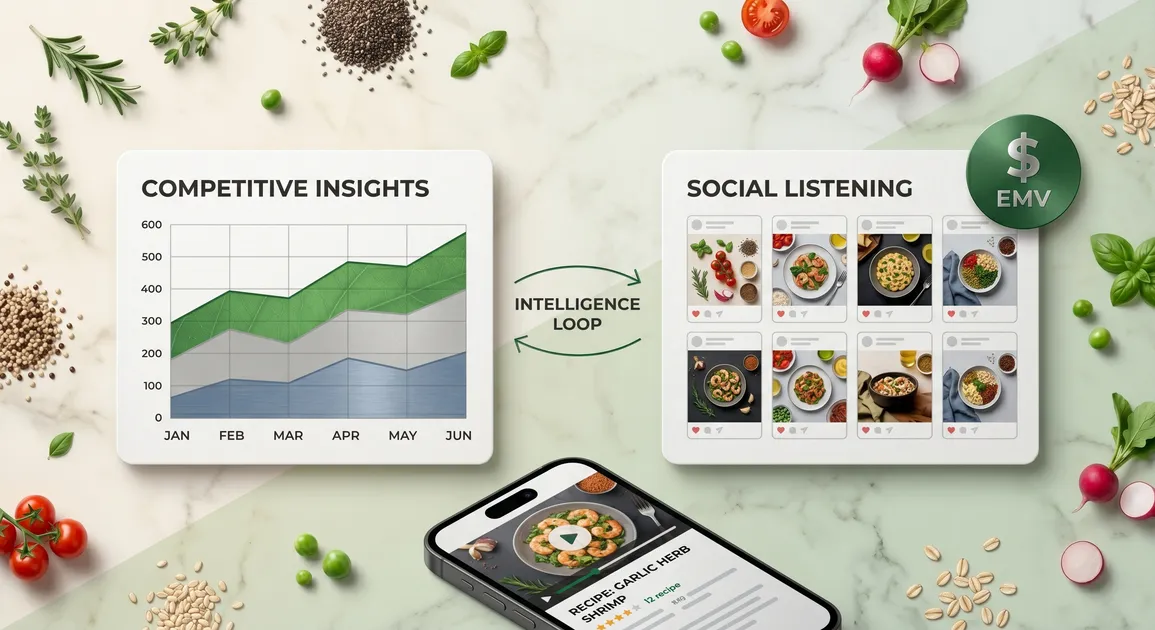
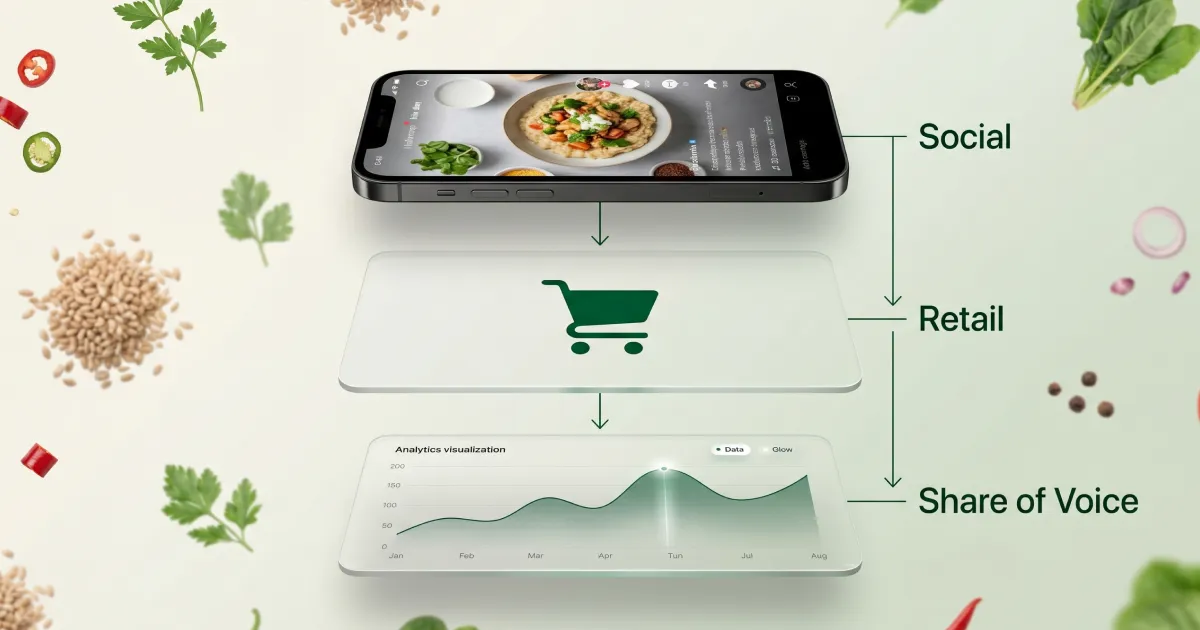
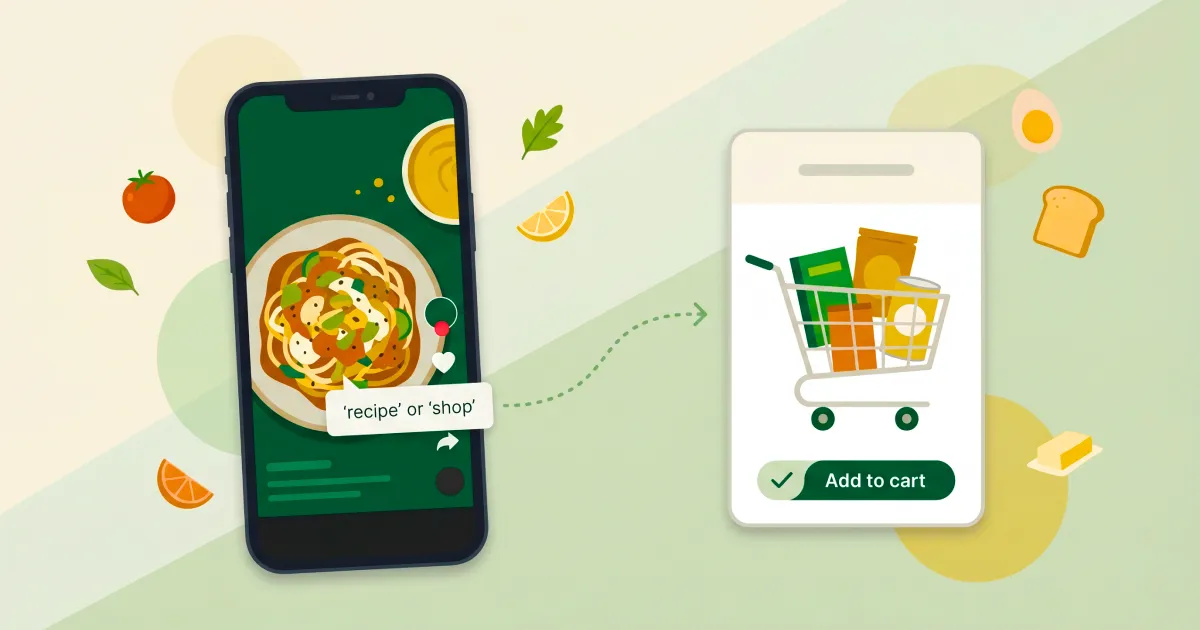
One thing most comparisons skip: timing. Retail media mostly catches people who already have a cart open. By then, the list is written. Recipes and creators get to them earlier, on Sunday night when they're working out what to cook this week, which is usually when the brand gets picked. That's the gap Jupiter was built for.
Questions to ask before you sign anything
Price is the last thing to compare. Start here:
What exactly is the proof? A retailer's sales data, a scanned receipt, a cart add and a modeled estimate are four very different things. Ask which one sits behind the headline number in the deck.
When do you reach the shopper? While they plan, while they're in the cart, or after they've bought. The earlier it is, the less you're paying to fight over people who were going to buy something in your category anyway.
Which retailers count? A retailer's own network only proves sales at that retailer. Great if 60% of your volume is there, not much use if it's 8%.
How do I pay? Per click, per thousand impressions, per sale, or tied to performance. Each one puts the risk on a different side of the table.
Who runs it? Auctions need someone checking bids every week. Managed buys need a commitment. Creator programs need product samples and a clear idea of what you want said.
Jupiter's answers: shop clicks and carts traced to the exact creator, recipe and post, plus receipt-verified purchases for in-store trials. It reaches shoppers while they plan. It works at the retailer the shopper picks. Pricing is custom, with no setup fee. And a dedicated account manager runs it with you.
The 9 platforms worth looking at
1. Jupiter: best pick for food and beverage brands
Yes, this is us, and yes, we put ourselves first. Here's why we think it belongs there, and where we'd pair it with something else.
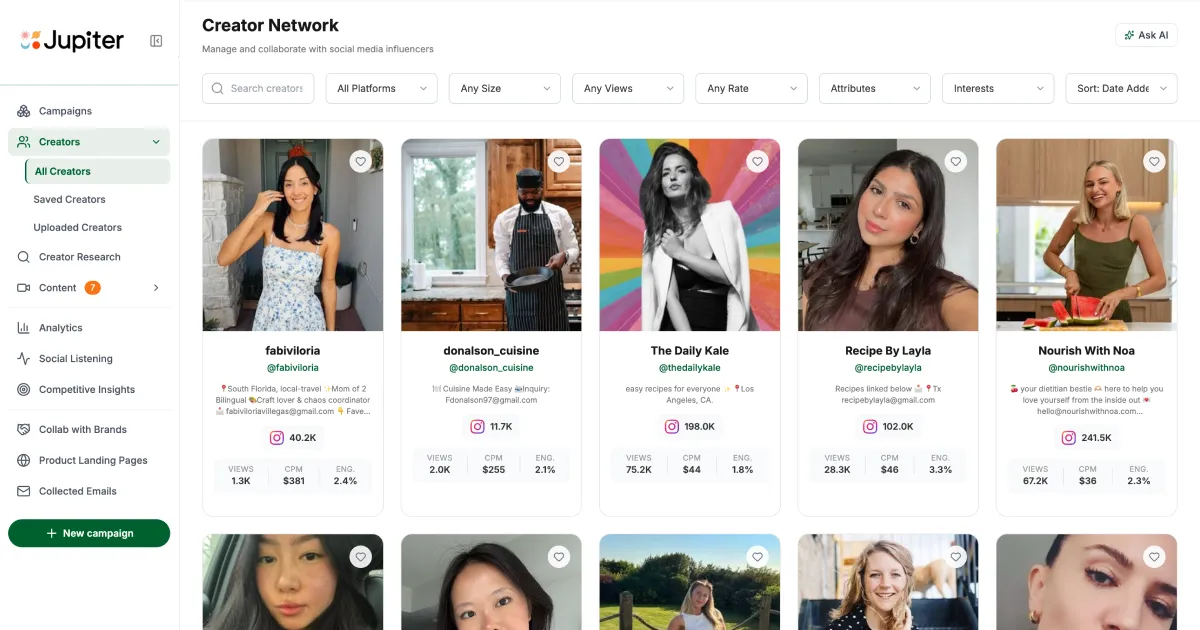
Jupiter is built only for food. Every creator in the network is a recipe creator, and the whole product is designed around how groceries actually get bought: through retailers a brand doesn't control.
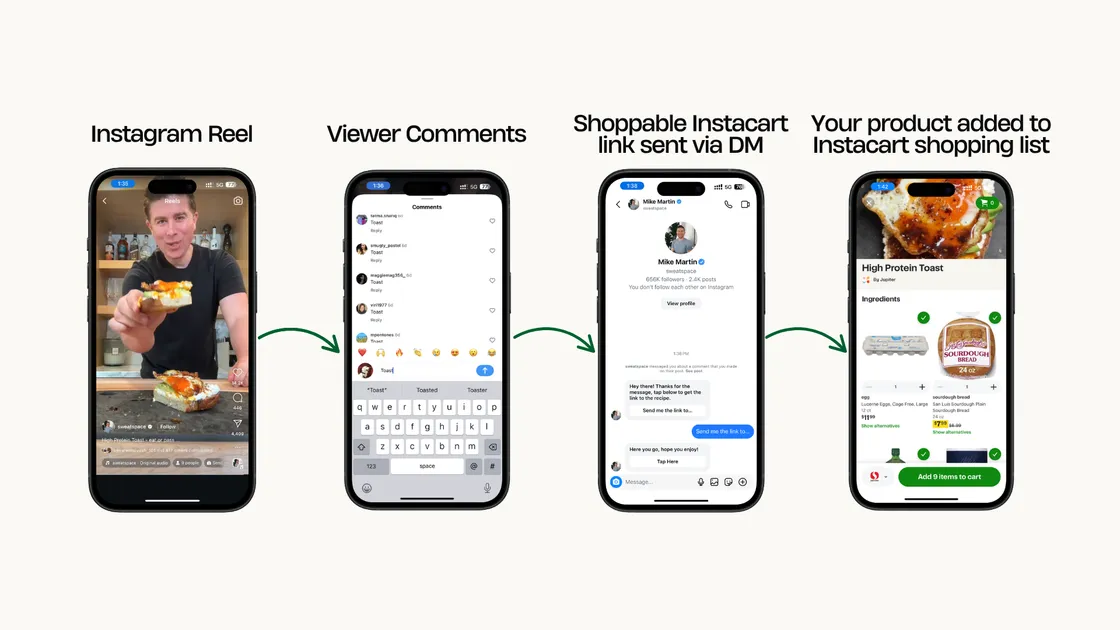
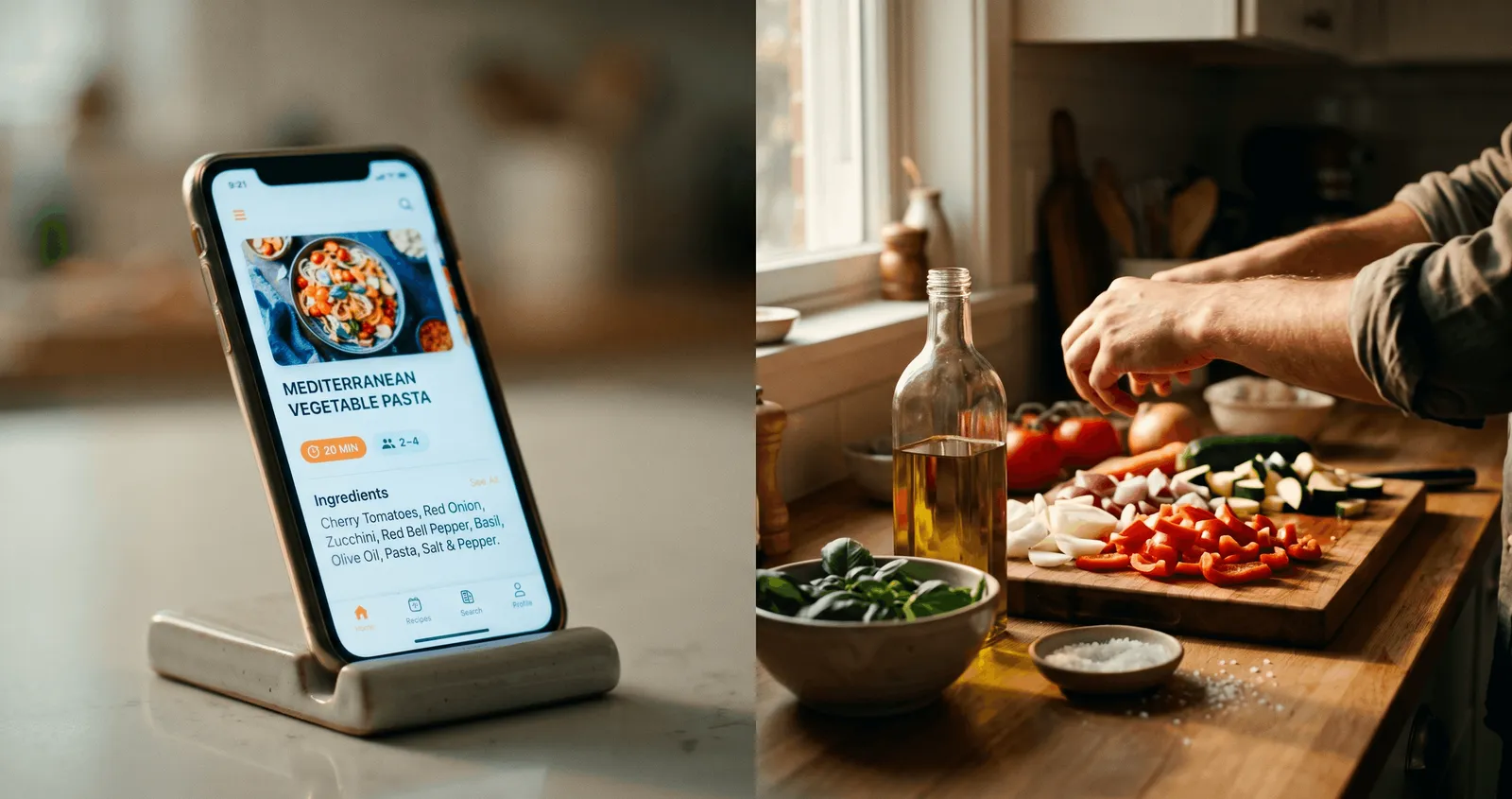
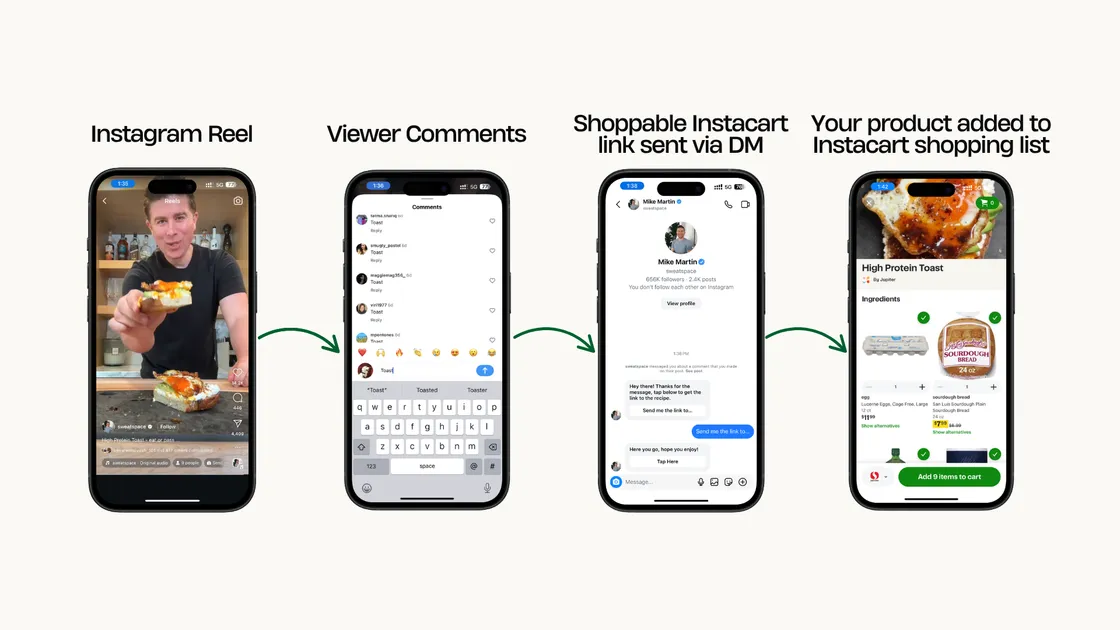
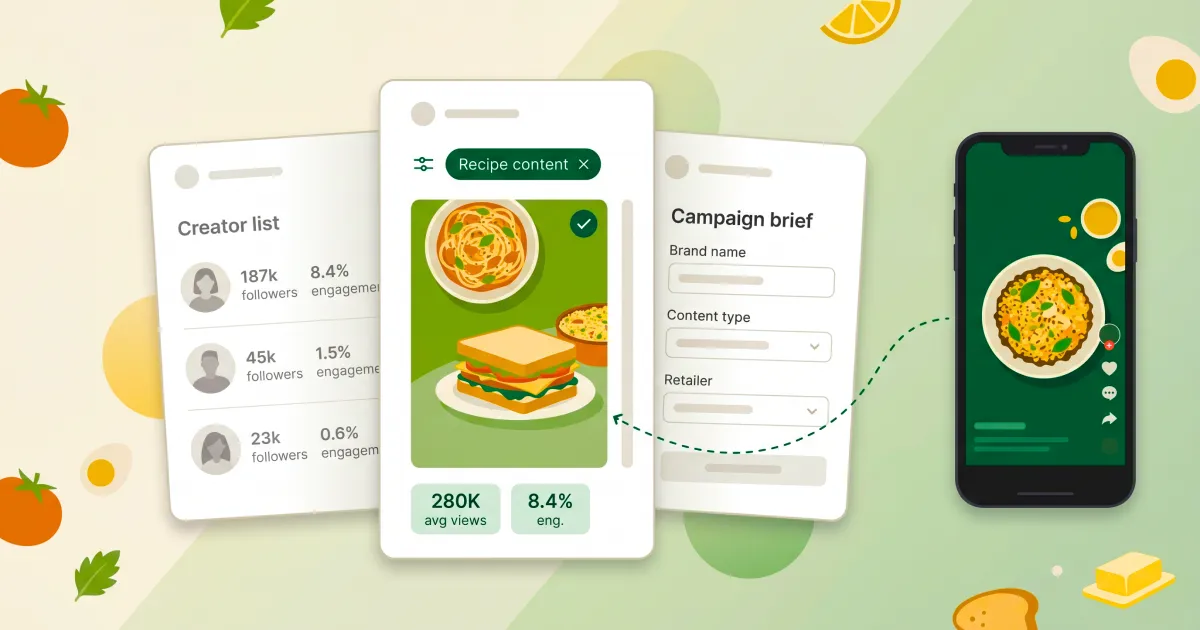
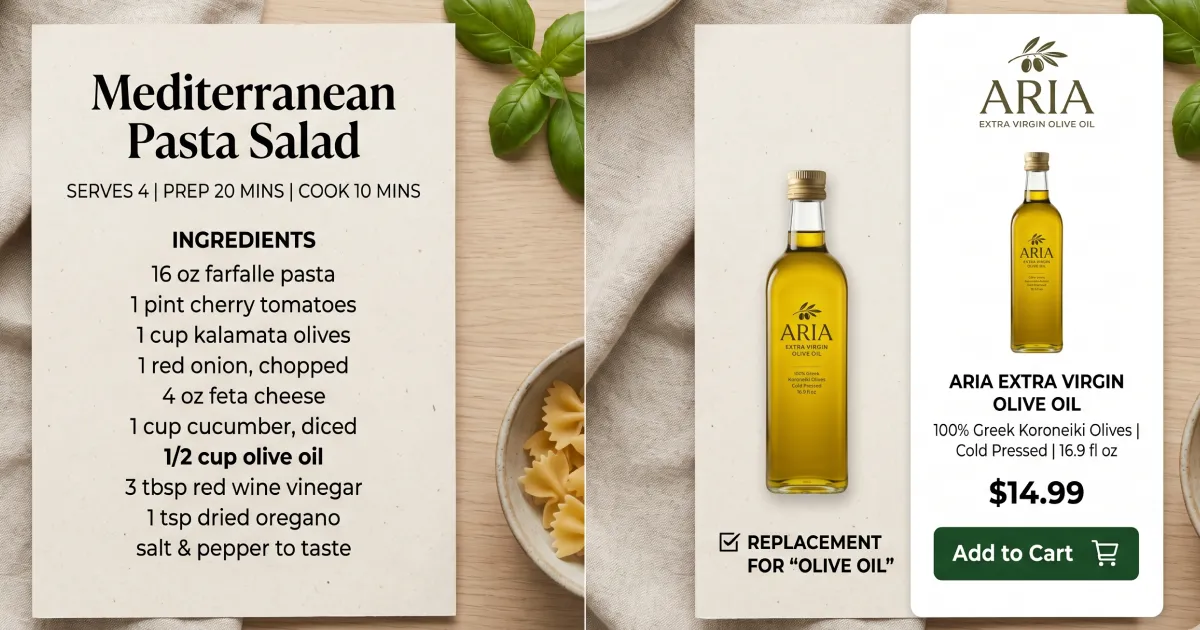
Through Sponsored Ingredients, we match your product to the recipes and ingredient categories it fits. When a recipe calls for your category, your product is the one in the ingredient list, so it's what goes in the cart when the creator's audience shops. Without it, that shop click goes to whichever brand the retailer ranks, often a store brand. We run the placement on creators' recipe sites, in automatic Instagram DMs (someone comments on a post and gets the recipe with a shoppable ingredient list), and in the Jupiter app.
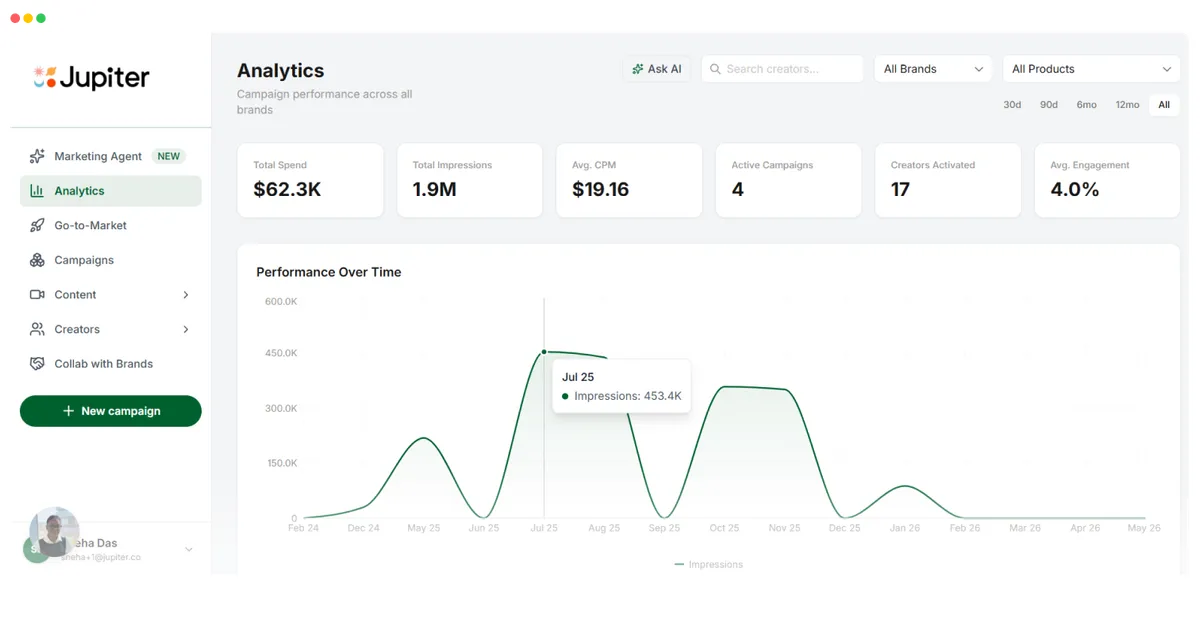
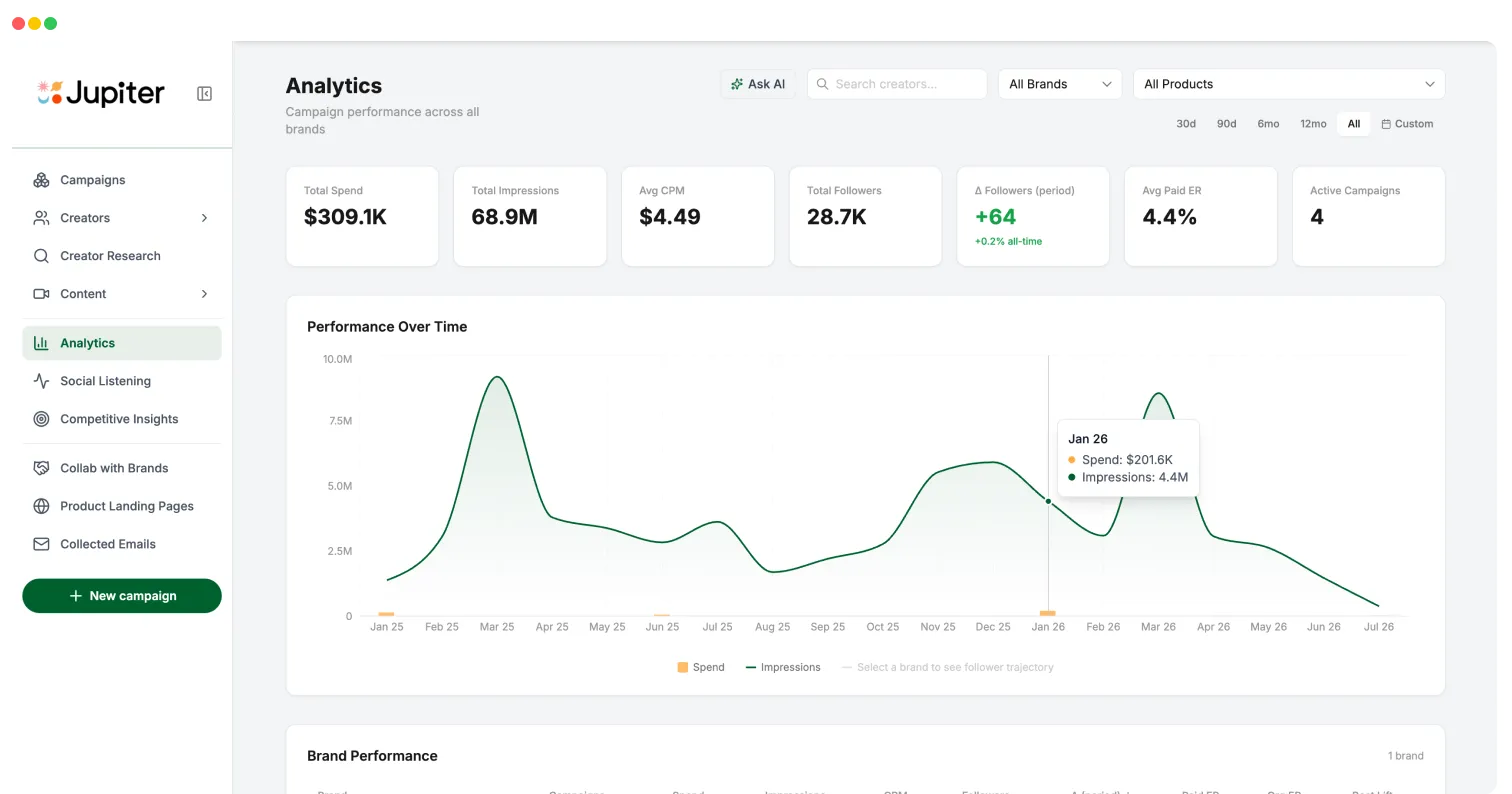
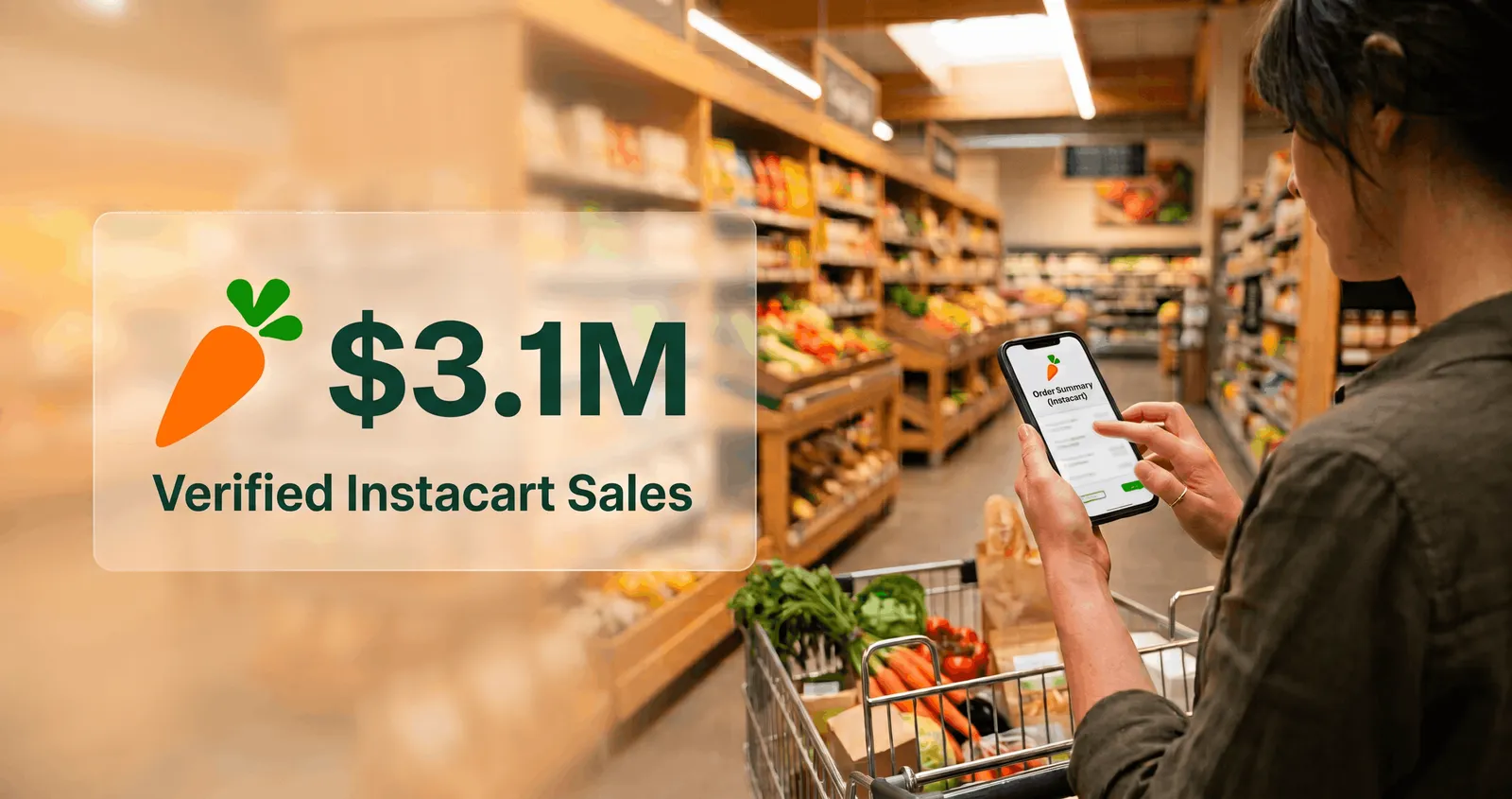
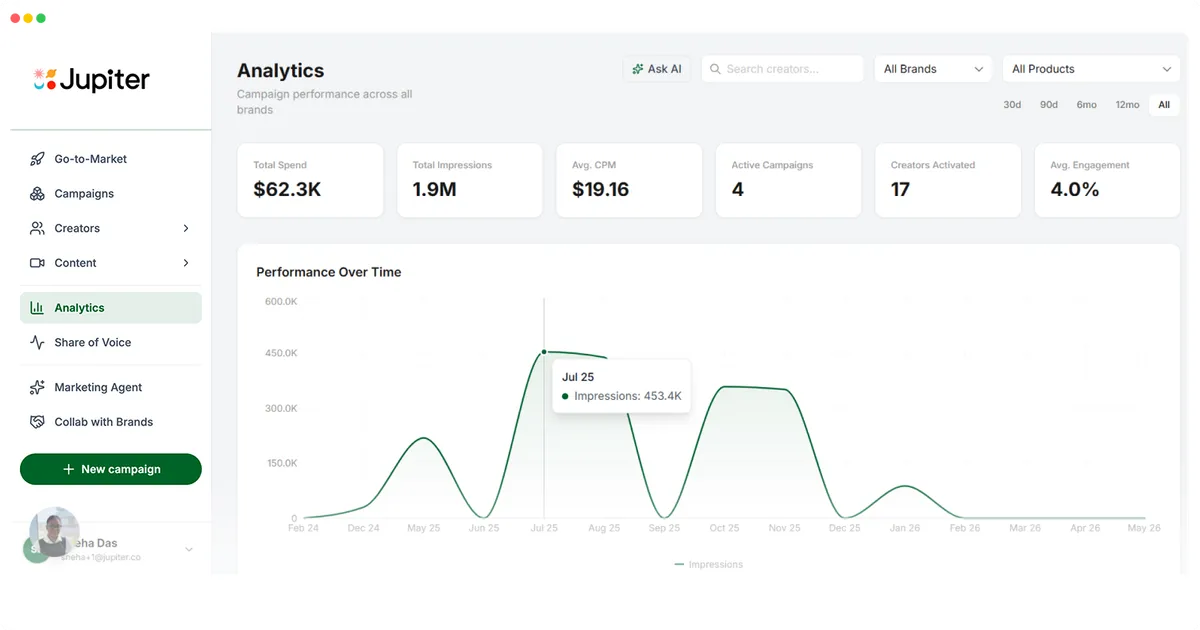
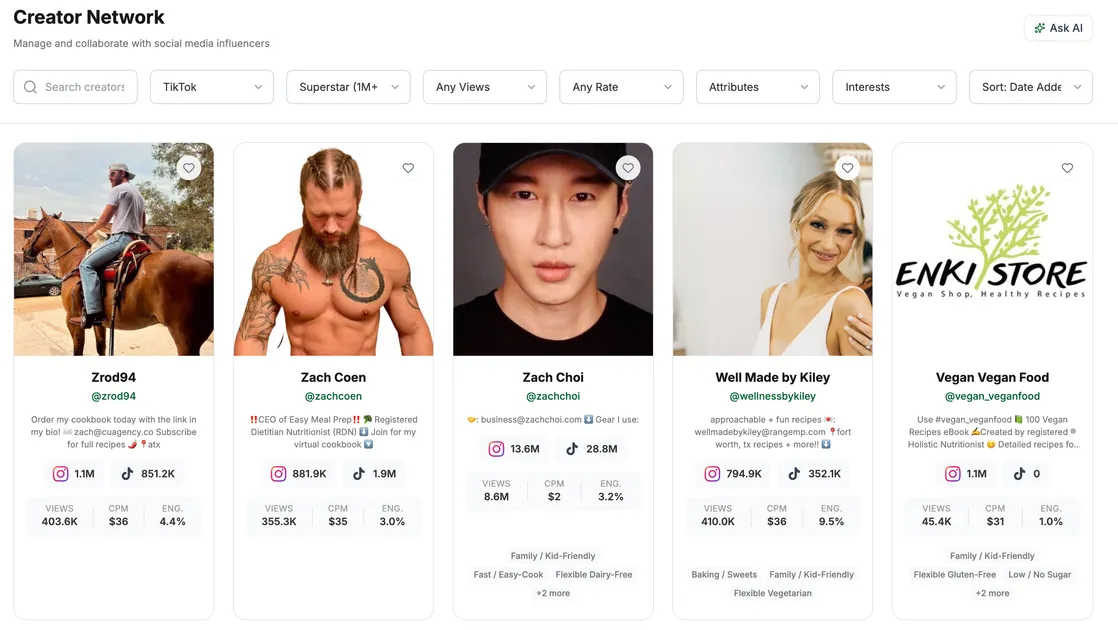
The network is 1,400+ vetted recipe creators with a 4.4% average engagement rate. It has delivered 800M+ impressions, and it drives 10M+ shop clicks a year and $3.1M a year in creator grocery sales volume. 60+ food and beverage brands work with us, including Banza, Tari, Pete & Gerry's, Kettle & Fire and Dr. Praeger's.
What that looks like in practice: one Instagram Reel by @cheffingwithamber for Tari, a crunchwrap finished with Tari hot sauce, reached 6.5M+ views and drove 1,000+ carts, each one traced back to the creator who earned it. For Banza, a post by @zachchoi became our biggest single campaign post at 29.2M impressions.
Three things set it apart from the rest of this list:
You own the category, not a bid. Each ingredient category goes to one brand per month, so a bigger competitor can't outbid you for it mid-campaign.
You reach shoppers before the cart. The brand choice happens in the recipe, not in a search box where every brand in the aisle is bidding.
The proof is specific. We report shop clicks and carts by creator, recipe and SKU. Online purchases are modeled from those clicks. For shelf sales, we run receipt-verified in-store trial campaigns.
Pricing is custom, with no setup fee and a dedicated account manager who handles creator sourcing, briefs, content review and reporting.
Where to add something else: today, shoppers check out through Instacart at the retailer they pick, so Jupiter doesn't replace search ads on retailer sites. The setup we recommend: Jupiter to create the demand, and retail media to catch it at checkout.
Your product in 1,400+ creators' recipes
Tell us your products and retailers. We'll show you the recipe demand you can capture and how we'd trace it to carts.
Book a demo2. Instacart Ads
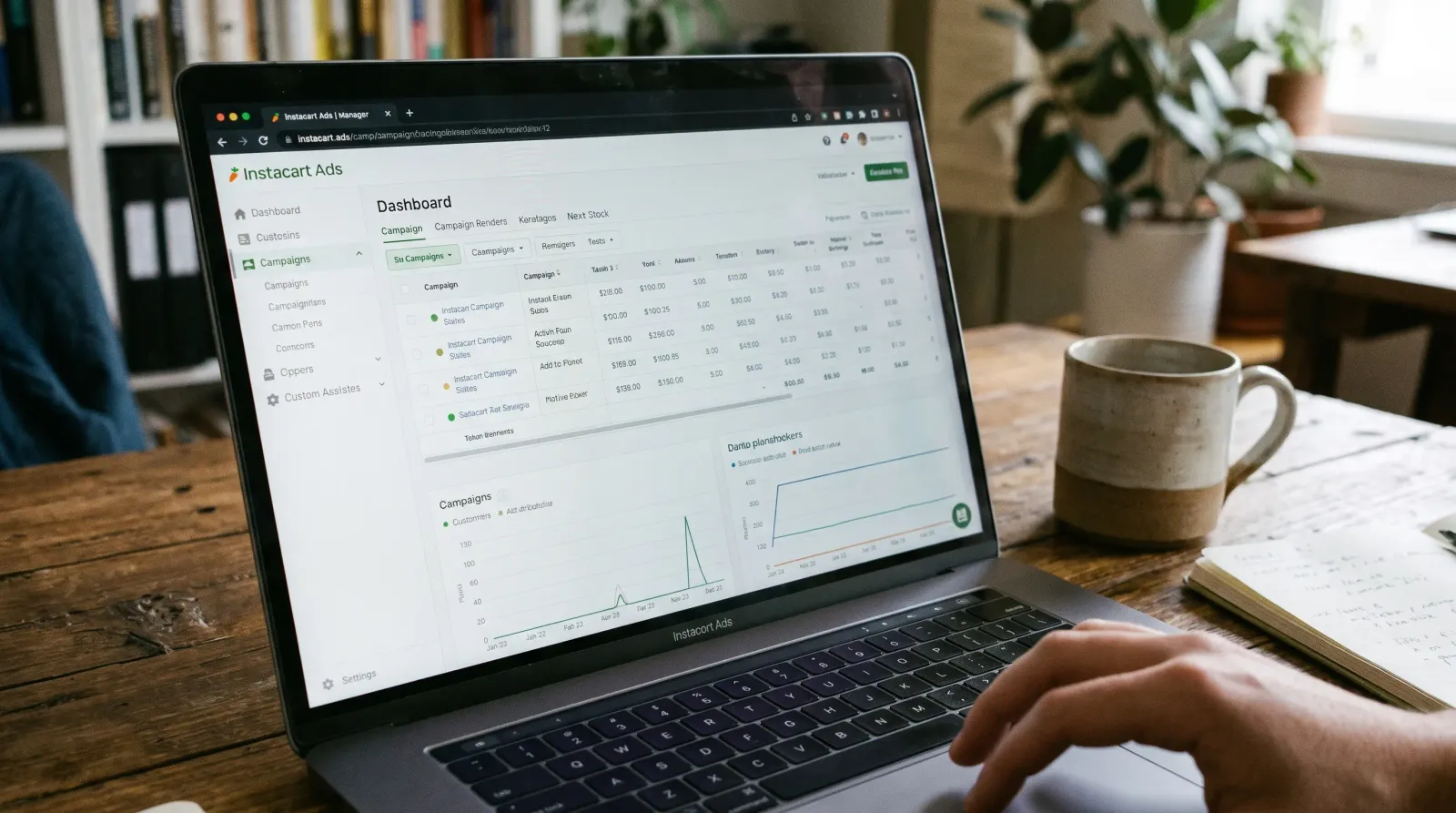
When someone types "sparkling water" into Instacart, Instacart Ads decides whose can shows up first. The same Ads Manager account also reaches more than 310 retailer sites running Carrot Ads, plus Caper Cart screens in stores, though Instacart is phasing Caper Carts out by mid-2027. It's still growing fast: advertising and other revenue hit $331 million in Q3 2026, up 23% on a year earlier.
You mostly pay per click in an auction, with closed-loop reporting on Instacart orders, and shoppable video is now available too. It's the obvious place to protect your brand name and compete for category searches. The catch is that everyone in your aisle is bidding on the same keywords, and the bigger budget usually gets the top slot. That's why we see it as the best partner to Jupiter rather than a replacement: Jupiter puts your product on the list, and Instacart Ads defends it in search.
One thing to watch: DoorDash agreed in October 2026 to buy Instacart for about $17 billion. The deal isn't expected to close until late 2027 or the first half of 2028, and DoorDash expects to keep Instacart's brand. Until then, Instacart Ads runs as it does today.
3. Walmart Connect
Walmart's own network sells search, display and off-site media, measured against Walmart's online and in-store sales. It has been pushing hard into connected TV this year. Walmart bought Vibe.co, a self-serve CTV ad platform, and is opening Vizio inventory to smaller advertisers without big media teams.
If Walmart is a top account for you, it's hard to skip. If most of your volume sits in regional grocery, the sales it proves aren't the ones that matter to you.
4. Kroger Precision Marketing
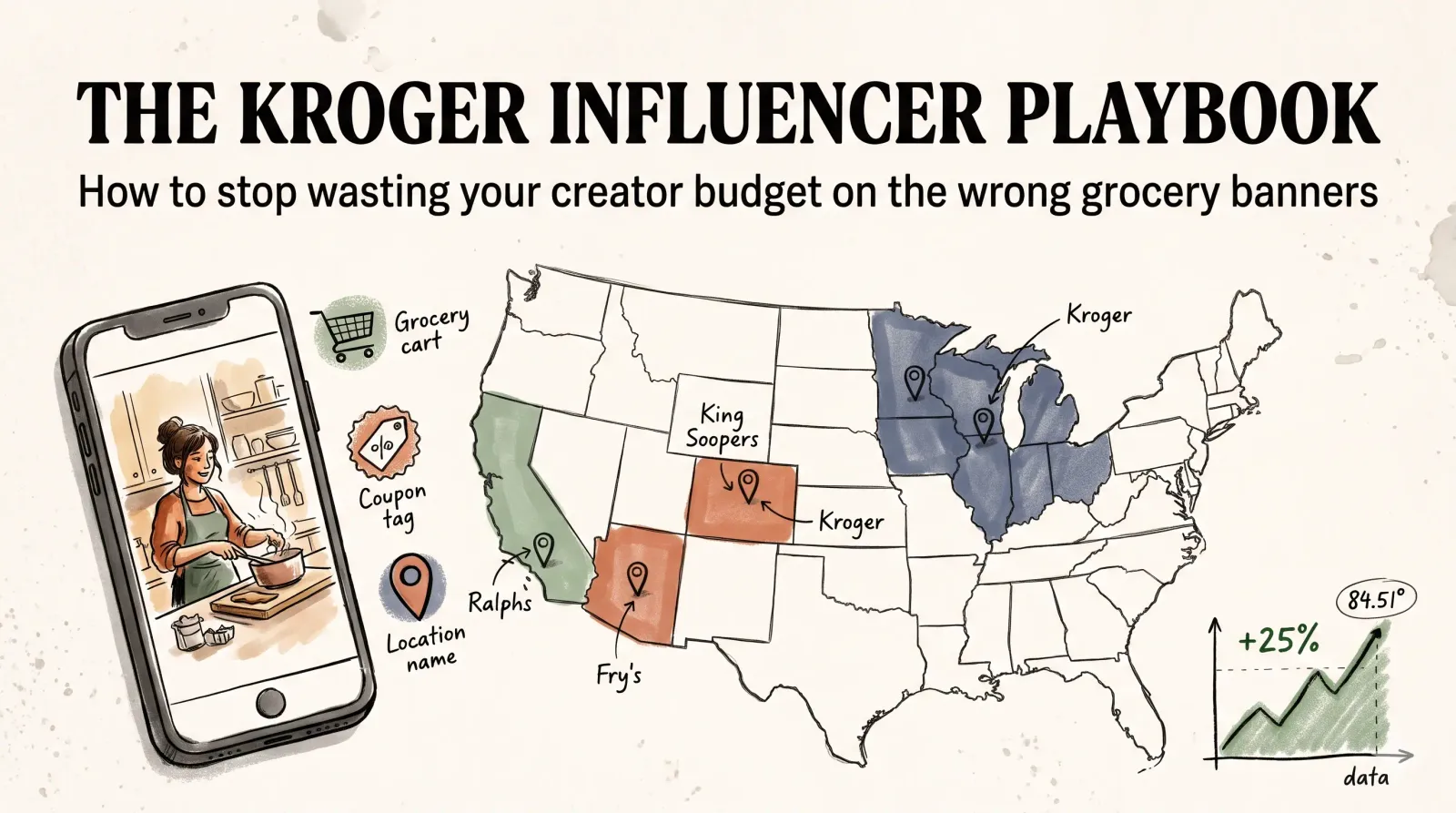
KPM launched in 2017 and is powered by 84.51°, Kroger's data science arm. It sells media on Kroger.com, in store, on CTV, social and programmatic, and measures results against Kroger loyalty households. This year it added a TikTok partnership and ads inside Kroger's new AI shopping assistant. For brands across the Kroger banners, the household-level targeting is the draw. Same limit as Walmart, though: it tells you what happened at Kroger and nowhere else.
5. Roundel (Target)
Target's network rolled out Precision Plus in August 2025, which uses signals from more than 165 million Target guests to adjust campaigns while they run. It's also one of the first retail networks testing ads inside ChatGPT, and about 35% of its revenue comes from off-site media. It makes sense for better-for-you and premium brands where Target is a core account. If Target only carries two of your SKUs, the spend is hard to justify.
6. Chicory
Chicory sells ad space inside recipes on food publisher sites. It reports 150M monthly unique shoppers, 7,000+ food and grocery publishers and 70+ retailer integrations, and its in-recipe units sit right under the ingredient lines, targeted by ingredient keyword.
That's a lot of reach at the moment someone is planning a meal, so it's the closest thing on this list to Jupiter. The difference is that it's an ad next to the recipe, not the cook choosing your product. On Jupiter, your product sits inside the creator's own ingredient list, which carries the weight of a recommendation from someone the shopper already follows.
7. Ibotta Performance Network
Ibotta runs cash-back offers across its app and partner retailers and publishers, and you only pay when a sale happens. It says the network reaches 91% of US households, and it keeps adding places to redeem: Uber joined in March 2026, followed by 7-Eleven, Speedway and Stripes.
It's good at getting people to try a new SKU or come back after they've lapsed. You pay for that in margin, though, and some of those buyers are there for the deal and won't return at full price. It works well as a short trial push alongside an always-on Jupiter program.
8. Fetch
Fetch pays people points for scanning receipts from any store. Brands pay for offers, point boosts and in-app media, and get verified purchase data across retailers in return, in-store included. The limitation is built in: it only sees people who scan. It also reaches people after they've bought, so it rewards a choice that was already made rather than shaping the next one.
9. A shopper marketing agency
If you're in a dozen retailers and nobody on your team runs retail media, an agency can plan and buy across networks, promotions and in-store programs for you. Their reporting is only as good as the platforms underneath, so ask which ones they use. Also ask what share of your budget ends up as media rather than fees. Agencies with food and beverage clients can also run their creator programs through Jupiter, with our team doing the sourcing, briefs and reporting.
All nine side by side
Platform | Type | Where it reaches the shopper | How you pay | How it proves sales | Best for |
|---|---|---|---|---|---|
Jupiter (our pick) | Creator commerce | Planning: creator recipes, DMs, app | Custom pricing, no setup fee | Shop clicks and carts per creator, recipe and post; receipt-verified in-store trials | Food and beverage brands that want to own an ingredient category before the shop |
Instacart Ads | Retail media | In the cart: search, browse, retailer sites | Mostly cost per click | Closed-loop on Instacart orders | Branded and category search |
Walmart Connect | Retail media | Walmart site, app, store, CTV | Auction and managed buys | Walmart online and in-store sales | Walmart-heavy brands |
Kroger Precision Marketing | Retail media | Kroger.com, store, CTV, social | Managed and self-serve buys | Kroger loyalty data | Kroger-family distribution |
Roundel | Retail media | Target site, app, off-site | Managed and self-serve buys | Target online and in-store sales | Target core accounts |
Chicory | Shoppable recipes | Planning: publisher recipe pages | Media buys | Cart links and lift studies | Recipe reach at volume |
Ibotta Performance Network | Digital promotions | At the decision: cash-back offers | Pay per sale | Redemptions with test vs control | New-SKU trial |
Fetch | Receipt rewards | After purchase, then next trip | Offers, point boosts and in-app media | Scanned receipts | Cross-retailer loyalty |
Shopper marketing agency | Full service | Wherever they buy | Retainer or fee plus media | Depends on platforms used | Brands without a retail media team |
The pattern: the retailer networks have the cleanest proof, but only for their own stores. Promotions and rewards prove the sale, and you pay for that in margin. Jupiter is the only option here that reaches shoppers while they plan, puts your product inside a creator's recipe, gives you the category to yourself for the month, and traces the cart back to the post. That's why we'd lead with it.
How we'd split the budget
There's no single right split. It mostly comes down to how many retailers carry you and whether anyone on your team can manage auctions. But at every stage, we'd put the demand-building layer first, because retail media can only catch demand that already exists. Here's roughly how we'd think about it.
Brand stage | Lead with | Add next | Hold off on |
|---|---|---|---|
Under $15M revenue, a few retailers | Jupiter creator recipes and Sponsored Ingredients to build demand; a small Instacart search budget to defend your brand name | Pay-per-sale offers for a launch SKU | Managed retailer media buys with large commitments |
$15M to $50M, regional or national grocery | An always-on Jupiter program feeding carts at your top retailers, plus retail media at your top one or two accounts | Receipt-verified in-store trials around launch stores | A network at a retailer that carries only a few SKUs |
$50M+, national distribution | Jupiter as the always-on creator layer across categories you want to own, plus retail media across every major account | An agency or in-house team to unify measurement | Channels that cannot show proof beyond impressions |
The mistake we see most often is putting everything into the cart. Retail media is great at catching demand that's already there, but it doesn't create much. If nothing earlier in the week gives people a reason to want your brand, you end up paying more every quarter to win the same searches. Jupiter fixes the earlier part: your product is in the recipe before the shopper ever opens the search bar. We go deeper on this in retail media vs paid social budget split and Instacart Ads vs Sponsored Ingredient placements.
Claim your category before a competitor
Placements run one brand per ingredient category each month. Get a custom plan with no setup fee.
Get my planMore for brands: How much grocery revenue creator campaigns drive · Receipt-verified in-store trial campaigns · Best influencer marketing platforms and agencies for food CPG brands
Tags
- shopper marketing
- shoppable media
- retail media
- cpg advertising
- instacart ads
- sponsored ingredients
FAQs
Quick answers to common questions.
What is the best shopper marketing platform for food and beverage brands?▼
For most food and beverage brands, Jupiter. It reaches shoppers while they plan the meal, puts your product inside food creators' shoppable recipes, gives each ingredient category to one brand a month, and traces shop clicks and carts to the exact post. Add Instacart Ads or a retailer network to catch shoppers once they're in the cart.
What is shopper marketing?▼
Marketing aimed at people while they plan a grocery trip, stand in the aisle (or the app), or decide whether to buy again. For food brands today it's mostly retail media, shoppable content, promotions, rewards apps and creators.
What's shoppable media?▼
Content you can buy from directly: a recipe, video or post where the ingredients go into a grocery cart in a tap or two. On Jupiter, that's a creator's recipe with your product already in the ingredient list.
Is retail media the same thing as shopper marketing?▼
No, it's one piece of it. Retail media is the ads a retailer sells on its own properties, measured with its own sales data. Shopper marketing also covers promotions, in-store programs, recipes and creators.
Which of these can prove in-store sales?▼
Walmart Connect, Kroger Precision Marketing and Roundel can, but only for their own stores. Fetch proves it across retailers through scanned receipts, and Jupiter's in-store trial campaigns are receipt-verified. Ibotta only charges when a sale happens.
Can a smaller brand compete with the big CPGs?▼
Yes, as long as you stay out of auctions you can't win. On Jupiter, each ingredient category goes to one brand a month, so a bigger budget can't push you out mid-campaign. Pay-per-sale offers also don't reward the biggest bid.
How much does Jupiter cost?▼
Jupiter charges custom prices, with no setup fee and a dedicated account manager. Book a demo and we'll show you which ingredient categories are open.
More for brands
Browse more from our blog.