The CPG AI Stack in 2026: Six Tools and How They Connect to Your AI Assistant
Six AI tools now cover the CPG workflow from trend research to creator campaigns, and most of them plug straight into Claude and ChatGPT. Here is what each one does.
The AI tools CPG brands use most in 2026 are Tastewise for food trend research, Circana Liquid AI for market data, Crisp for retailer sales data, Pacvue Agent for retail media, Typeface for on-brand content and Jupiter's Marketing Agent for creator campaigns, and most of them now plug into assistants like Claude and ChatGPT.
Key takeaways
- Pick AI tools by the job they do: trend research, market data, retail data, retail media, content or creator marketing.
- Most CPG-specific AI tools now run as agents that carry out tasks, like pulling a report or updating a campaign, instead of only answering questions.
- Several of them, including Tastewise, Pacvue and Jupiter, connect to AI assistants through MCP, so your team can work from Claude or ChatGPT.
- General AI assistants don't have your retail sales or category data, so CPG-specific tools still matter.
- Start with the one job that costs your team the most hours each week, not with a full AI stack.

On this page▼
- Every major CPG AI tool now speaks the same protocol
- Six tools cover the workflow from trend research to creator campaigns
- Tastewise for food and beverage trend research
- Circana Liquid AI for market data
- Crisp for retailer sales and supply chain data
- Pacvue Agent for retail media
- Typeface for on-brand content
- Jupiter's Marketing Agent for creator campaigns
- The assistant becomes the place the stack meets
- Connecting a tool is not the same as trusting its answer
- Creator campaigns are the layer most stacks still run by hand
- Add one connector at a time, starting with the question you ask most
AI tools for CPG brands are specialist platforms that apply AI to one part of the consumer packaged goods workflow, grounded in data a general chatbot does not have: food trend signals, syndicated market share, retailer sales feeds, retail media performance, brand guidelines, or creator campaign results. In 2026, six tools cover most of that workflow from end to end, and the bigger shift is where marketers use them. Most now plug directly into the AI assistants teams already have open.
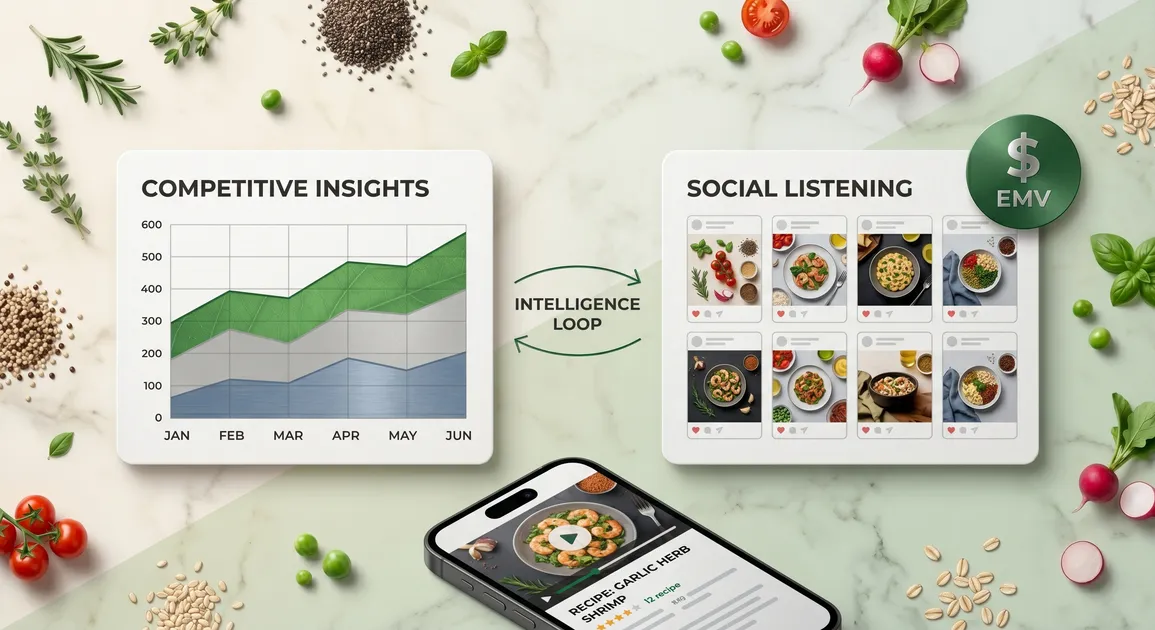
That changes how a CPG marketing team works. Instead of logging into six dashboards to plan one launch, a marketer can ask one assistant a question and have it pull the answer from the tool that owns the data. The specialist tools still do the heavy lifting. The assistant just becomes the place where they meet.
Every major CPG AI tool now speaks the same protocol
The connective tissue is the Model Context Protocol, an open standard Anthropic released for linking AI assistants to outside tools and data. A tool that runs an MCP server can be added to Claude, ChatGPT, Gemini, Copilot, or any other MCP-compatible client, and the assistant can then query it in plain language on the user's behalf.
For CPG teams, this matters because the valuable data in the category has always lived in separate systems with separate logins. MCP does not merge those systems. It gives each of them the same front door, so the person asking the question no longer has to know which dashboard holds the answer.
Six tools cover the workflow from trend research to creator campaigns
Tastewise for food and beverage trend research
Tastewise answers what consumers are eating, drinking, cooking, and ordering, drawing on menu and operator data, recipes, social conversation, and consumer research. Its MCP connector is listed in the Claude, ChatGPT, and Microsoft Copilot directories, so an innovation or brand team can ask about an ingredient, claim, occasion, or audience without opening the Tastewise app.
Circana Liquid AI for market data
Circana Liquid AI puts a plain-language layer on top of Circana's POS-calibrated retail measurement, so category and insights teams can ask about share, category performance, and competitive shifts instead of building reports. Circana says Liquid AI connects to Copilot, Claude, Gemini, and ChatGPT through MCP, and to enterprise agents through the Agent2Agent protocol.
Crisp for retailer sales and supply chain data
Crisp ingests and normalizes retailer portal data, so sales, inventory, distribution, and out-of-stock numbers line up across retailers. Its Halo platform adds a Halo MCP server that connects Claude, ChatGPT, and Gemini to that harmonized data, with calculations like sell-through and promo lift defined once so the assistant uses the same numbers as the rest of the team.
Pacvue Agent for retail media
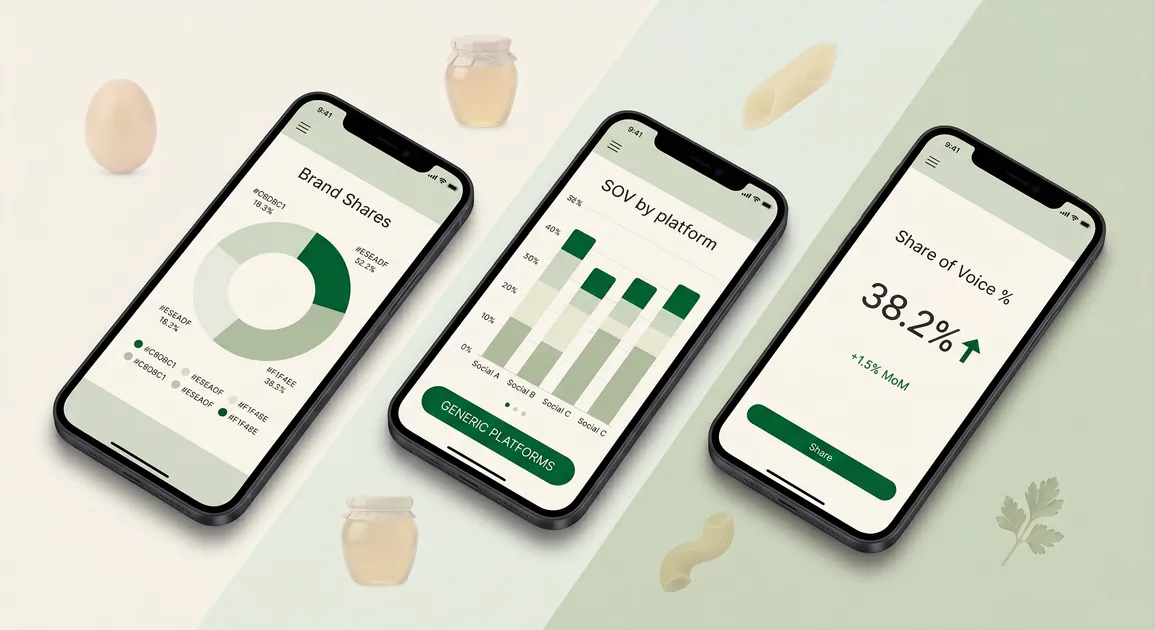
Pacvue Agent diagnoses retail media performance, recommends next actions, and turns approved recommendations into campaign and budget changes, working inside Pacvue or in Slack. Separately, Pacvue's MCP server brings its cross-retailer reports and share-of-voice data into Claude, ChatGPT, and other MCP clients.
Typeface for on-brand content
Typeface generates text, images, and video that follow a brand's guidelines, templates, and approved assets, which matters for CPG portfolios with many sub-brands. Typeface MCP connects ChatGPT, Claude, and Gemini to those brand kits, so copy drafted in an assistant starts from the brand's actual rules rather than a generic voice.
Jupiter's Marketing Agent for creator campaigns
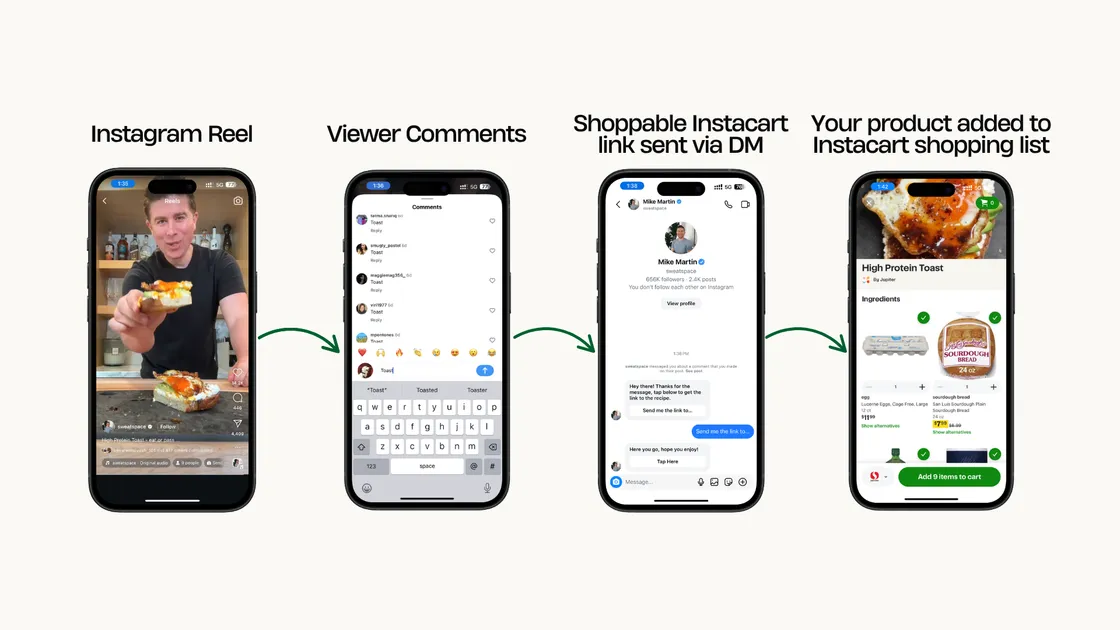
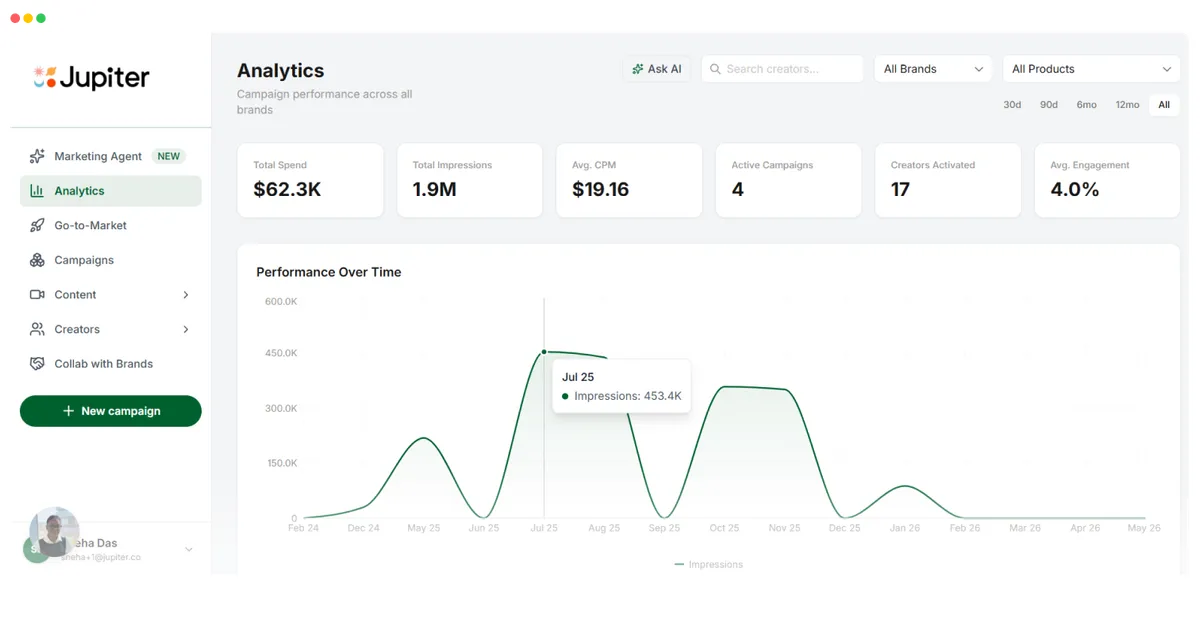
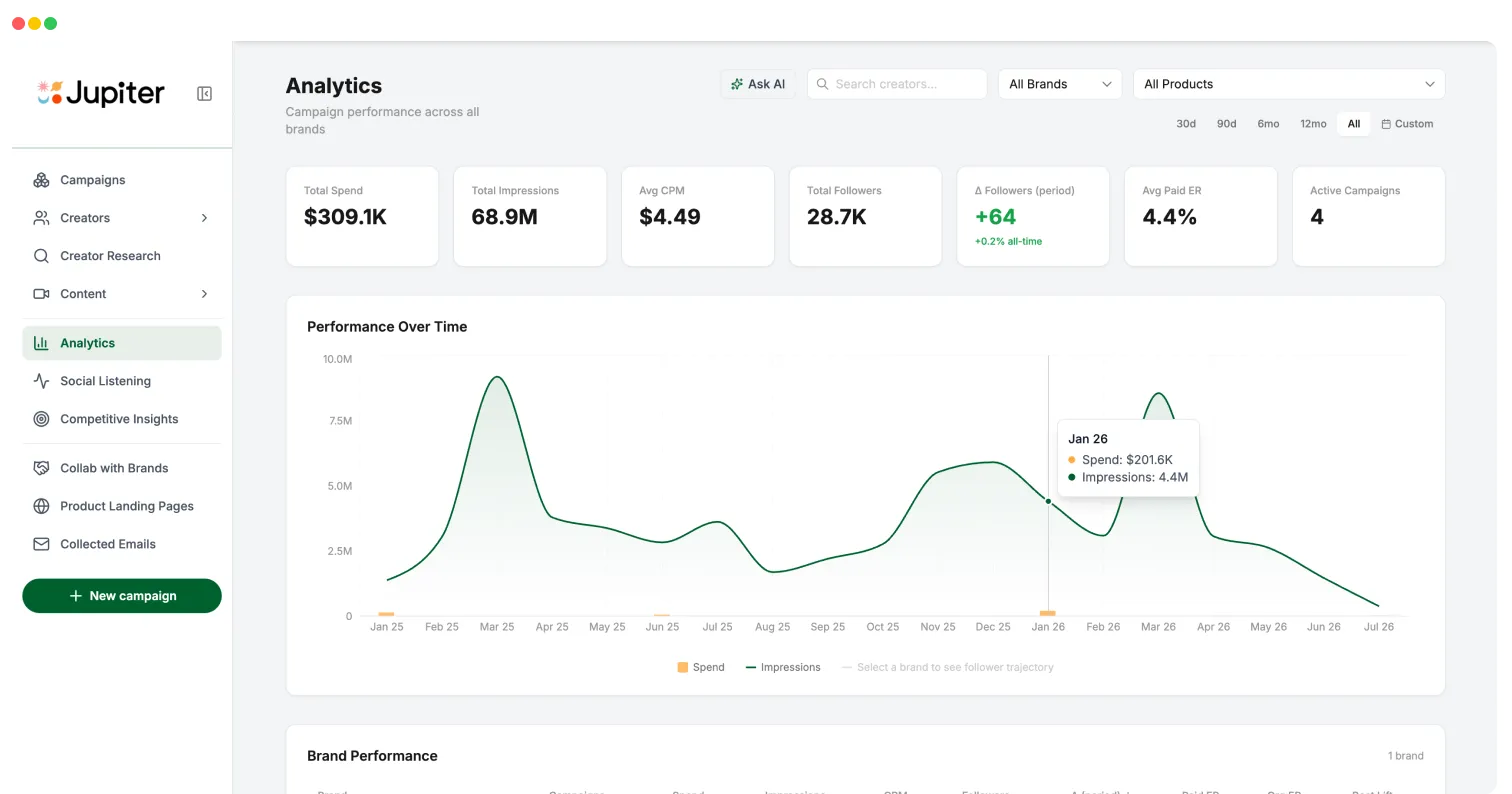
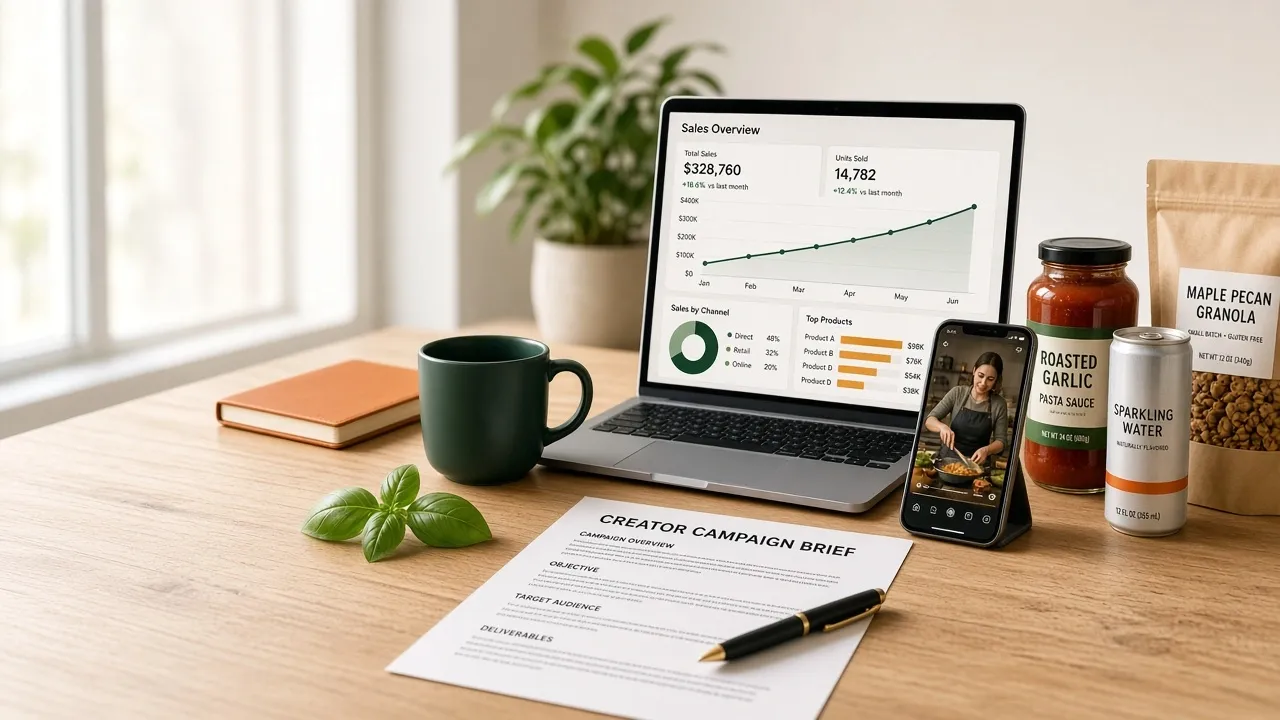
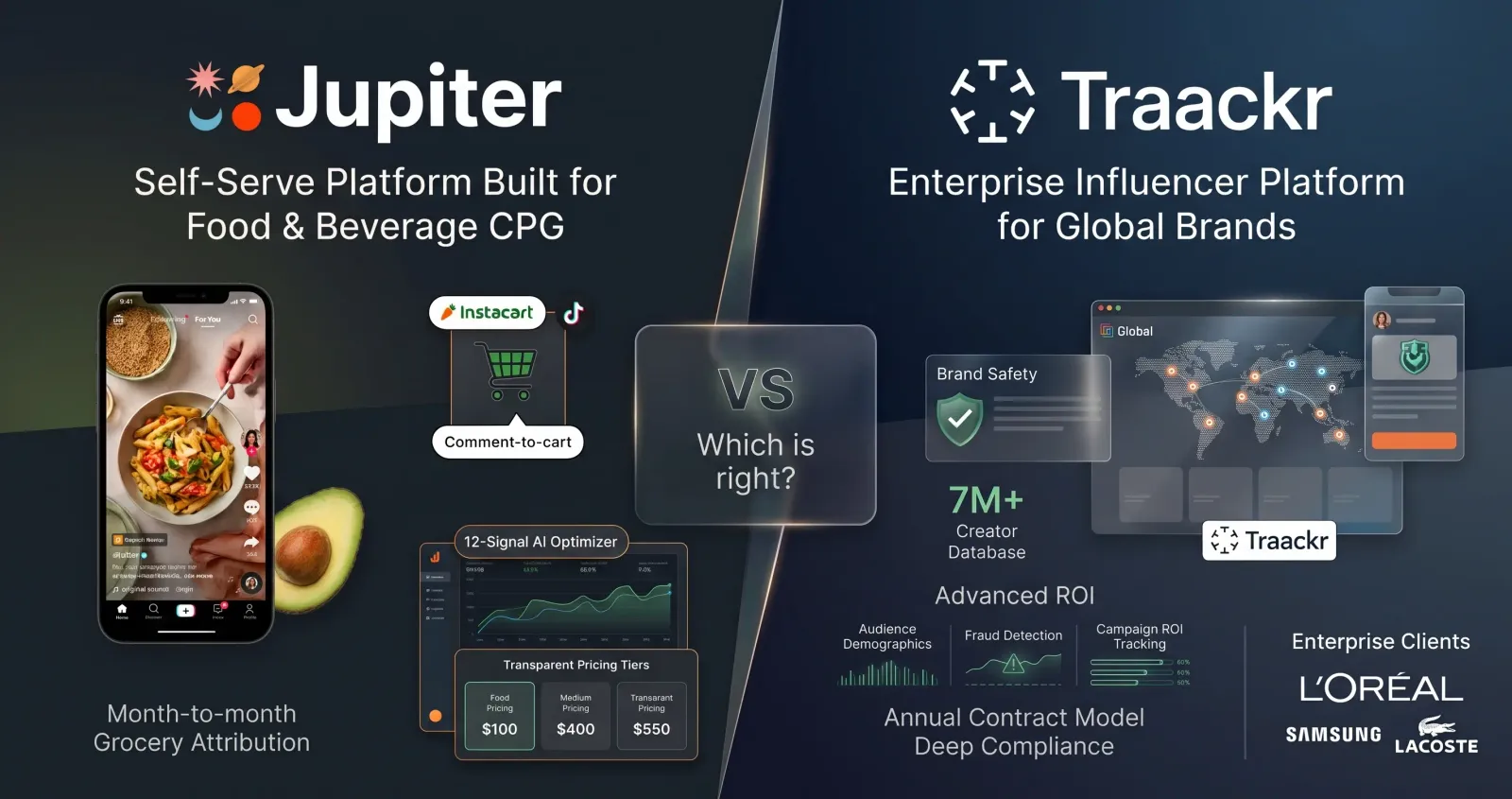
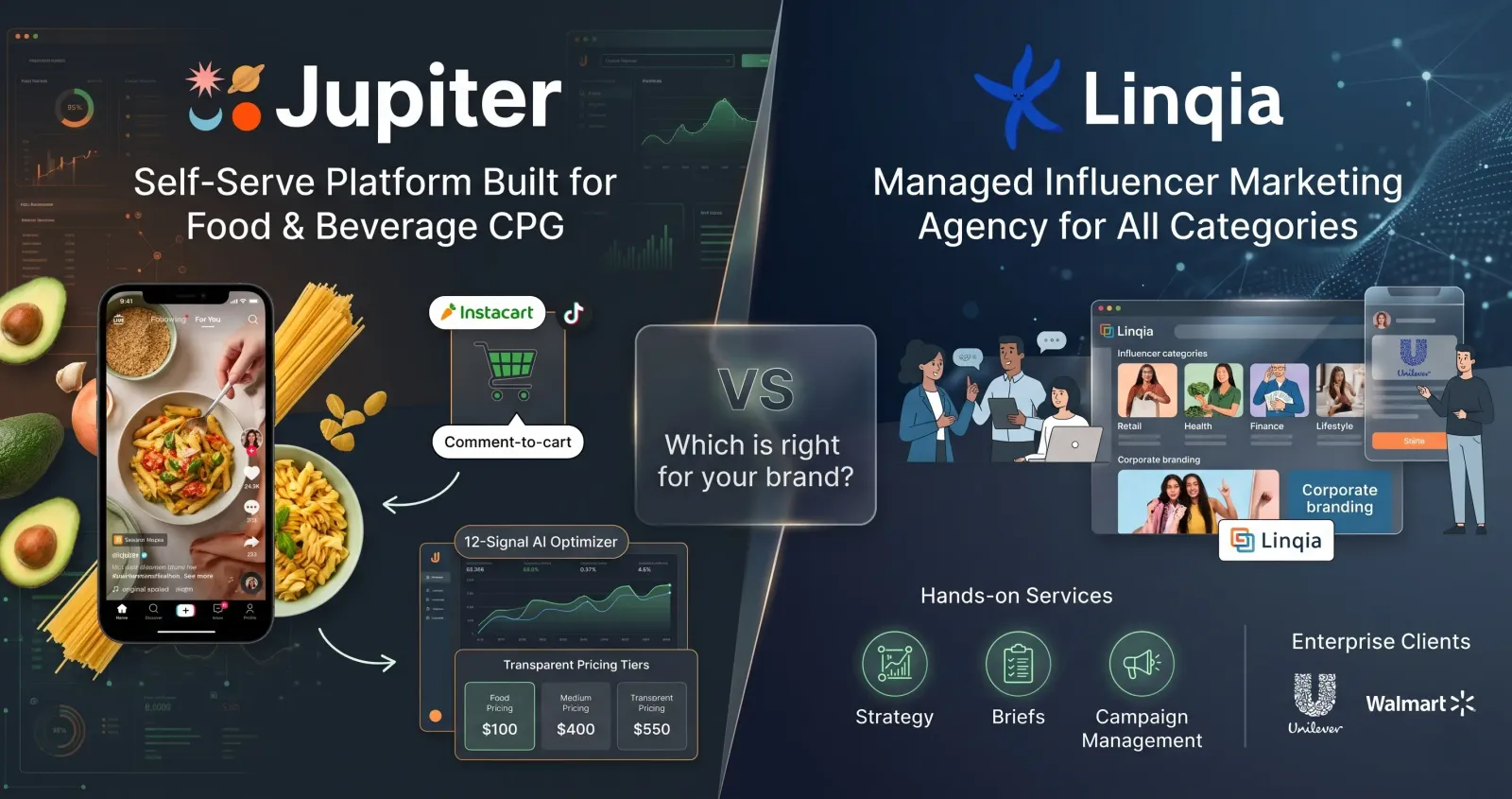
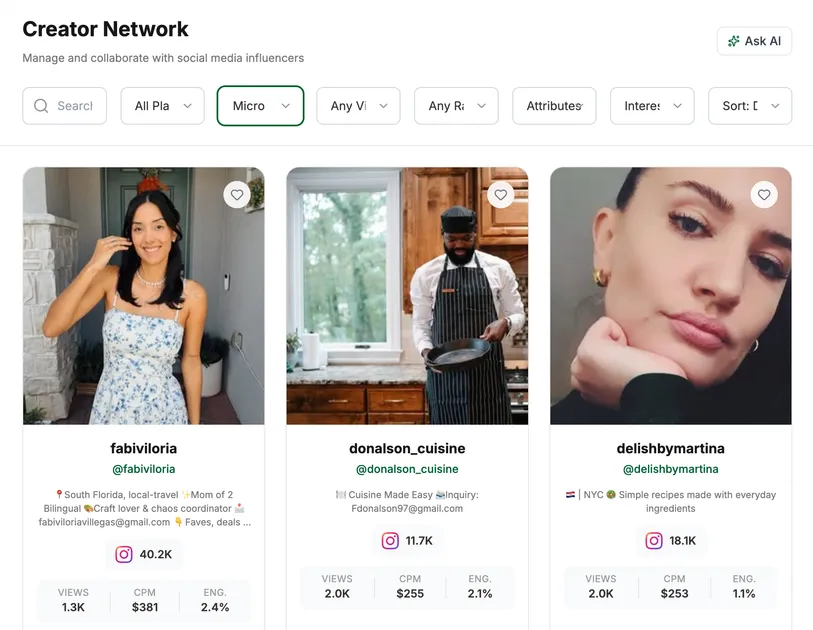
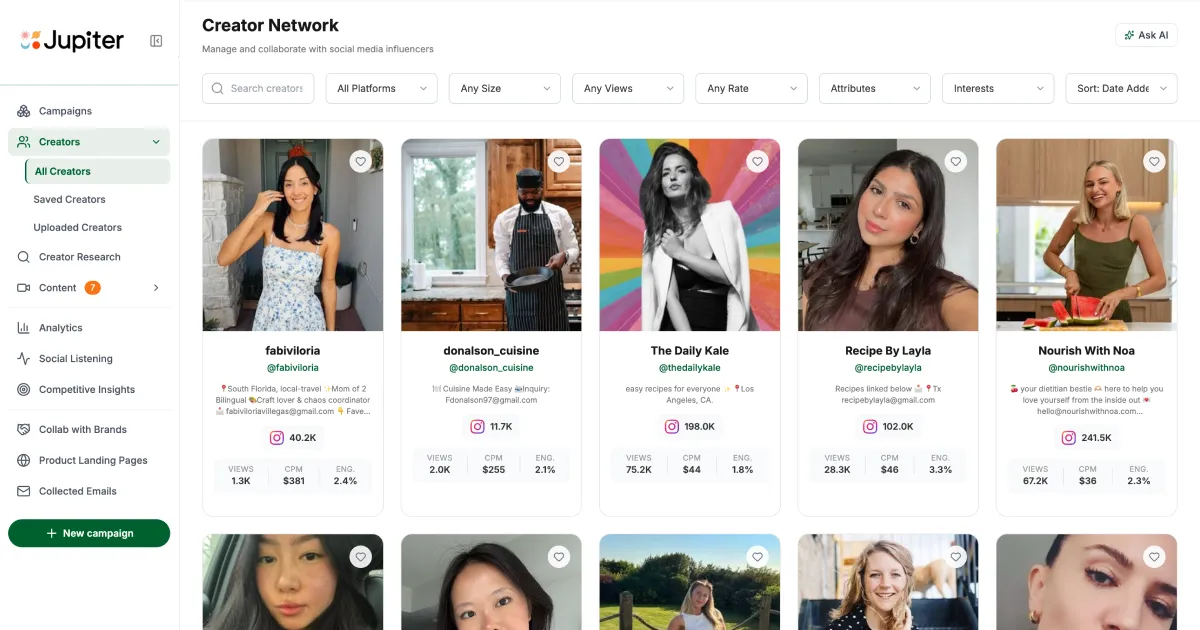
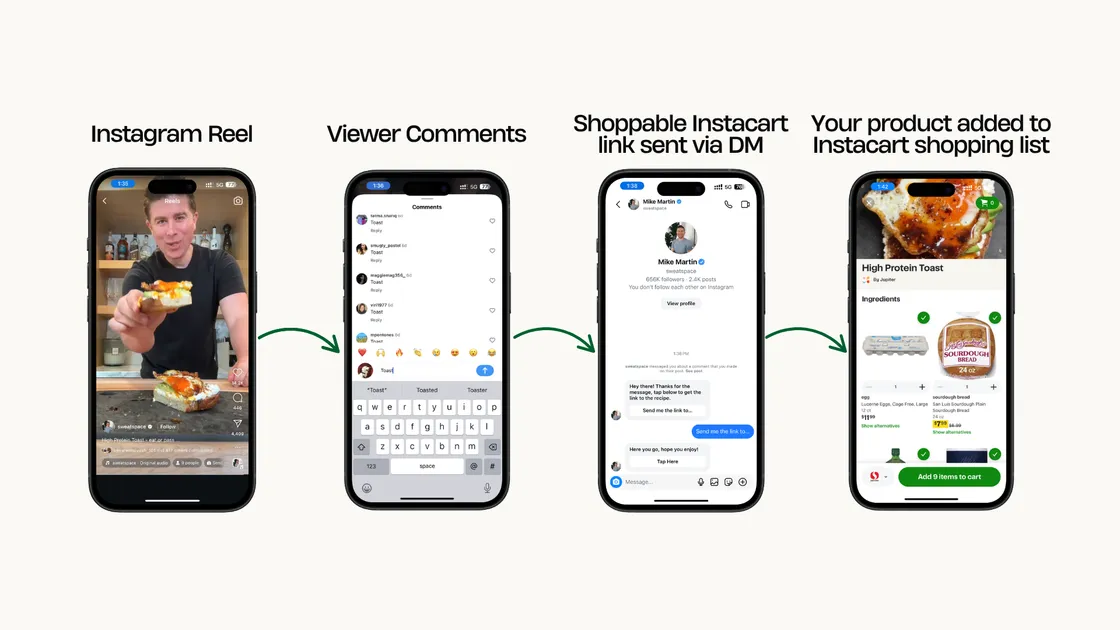
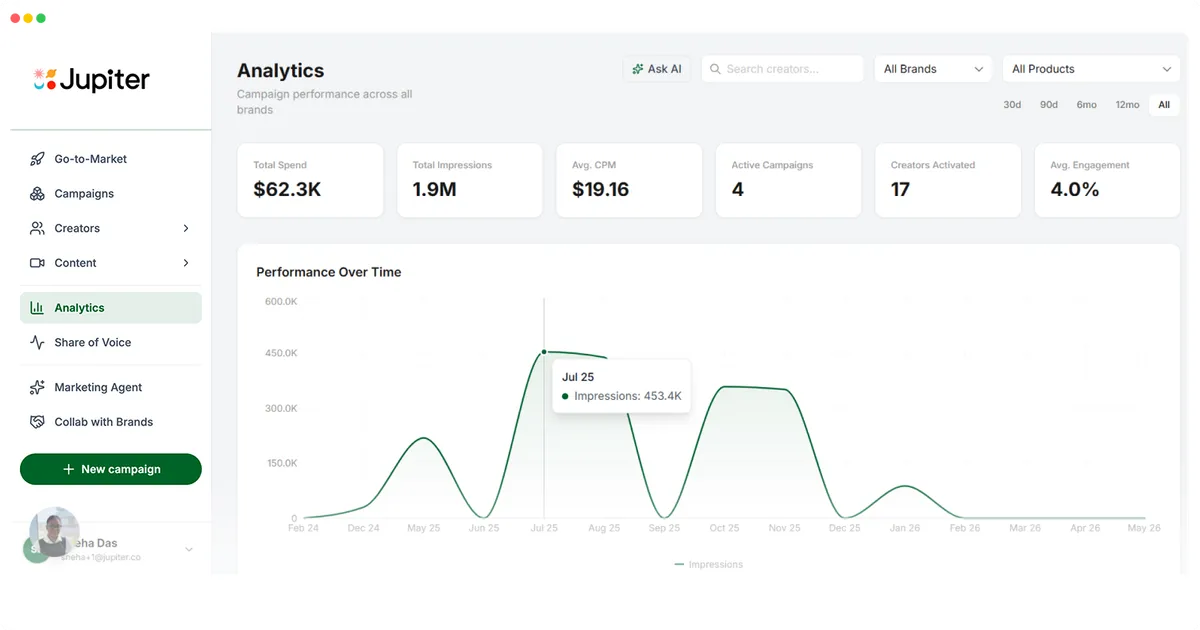
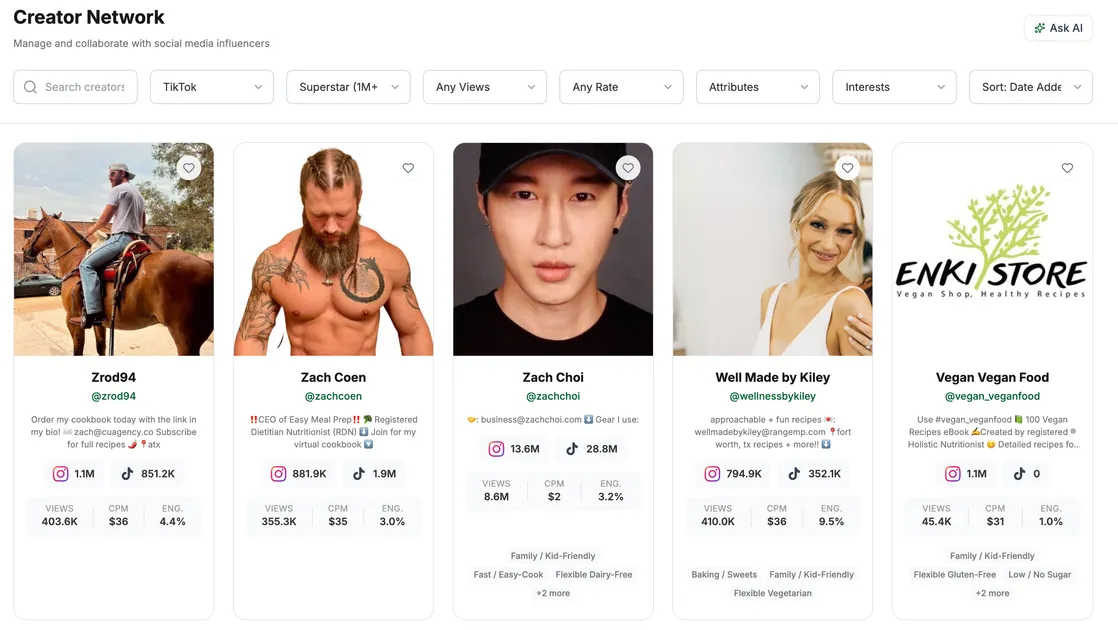
Jupiter's AI Marketing Agent runs creator campaigns for food and beverage brands. It uses 20 tools to match creators from a network of 1,000+ vetted recipe creators, draft briefs, and allocate budget with a 12-signal optimizer. Jupiter also runs an MCP server that connects Claude, Codex, and Gemini to a brand's workspace, so a marketer can check campaign performance or creator shortlists from the same assistant they use for everything else.
Trend research: Tastewise
Market data: Circana Liquid AI
Retailer sales and supply chain: Crisp
Retail media: Pacvue Agent
On-brand content: Typeface
Creator campaigns: Jupiter's Marketing Agent

Bring creator campaigns into the assistant your team already uses
Jupiter's Marketing Agent matches creators, drafts briefs, and reports performance, inside Jupiter or from Claude.
See the Marketing AgentThe assistant becomes the place the stack meets
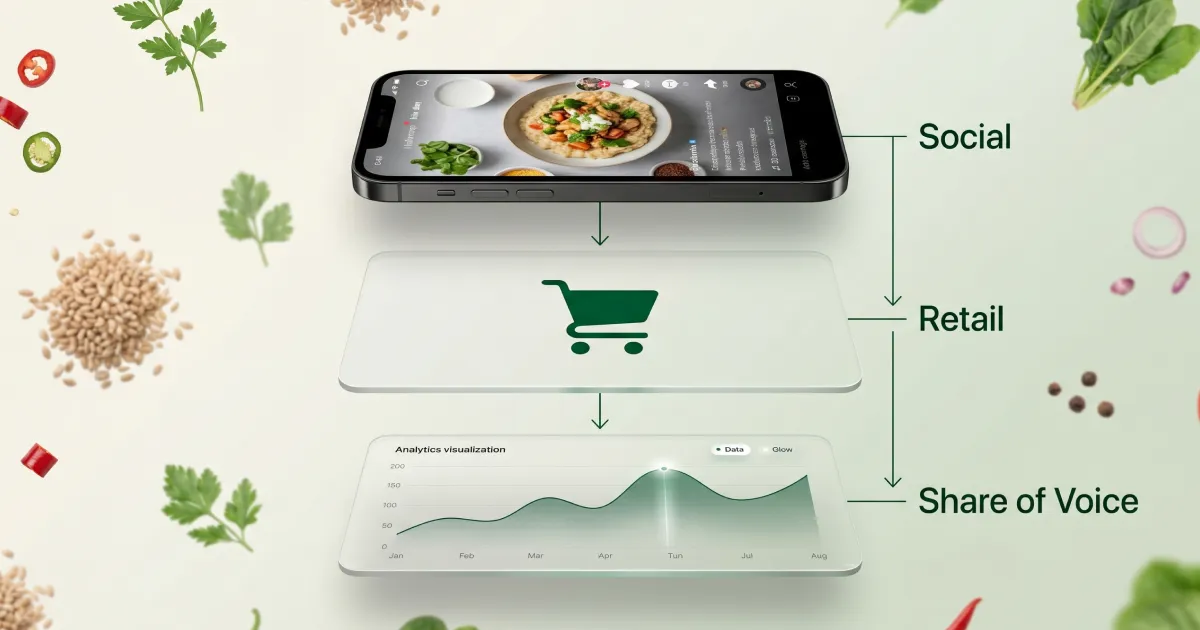
The real value shows up when one question crosses tools. Picture a brand manager planning a spring launch for a protein snack. They ask the assistant which flavor and occasion trends are rising, and it pulls that from Tastewise. They ask how the category is moving and where competitors are gaining share, and it pulls that from Circana. They ask which retailers have distribution gaps, and Crisp answers. Retail media spend comes from Pacvue, launch copy comes from Typeface, and the creator plan to put the product in front of shoppers comes from Jupiter.
None of those tools changed. What changed is that the brand manager did not have to translate each answer into the next tool's format. The trend that Tastewise surfaced becomes the angle in the creator brief, without anyone copying it from one dashboard to another.
Planning a launch across six dashboards?
We can show you how the creator side of that plan runs from one conversation instead of a spreadsheet.
Book a DemoConnecting a tool is not the same as trusting its answer
The tools above are useful in an assistant because they bring their own governed data and definitions. A general model asked about category share will produce a confident number. Circana or Crisp will produce the number your sales team already reports. That difference is the whole reason to connect the specialist tool rather than ask the assistant directly.
Access control works the same way. These connectors typically sign in through the tool itself, so the assistant only sees what that user could already see. Pacvue requires confirmation before the assistant submits campaign changes, and Crisp applies the same governance to writes as to reads. Teams on managed Claude or ChatGPT workspaces should expect their IT admin to approve each connector before individuals can add it.
Judgment still sits with the marketer. An assistant can assemble the trend, the market context, and the creator shortlist in minutes. Deciding which trend fits the brand, which retailer to prioritize, and what the creative should say is still a human call.
Creator campaigns are the layer most stacks still run by hand
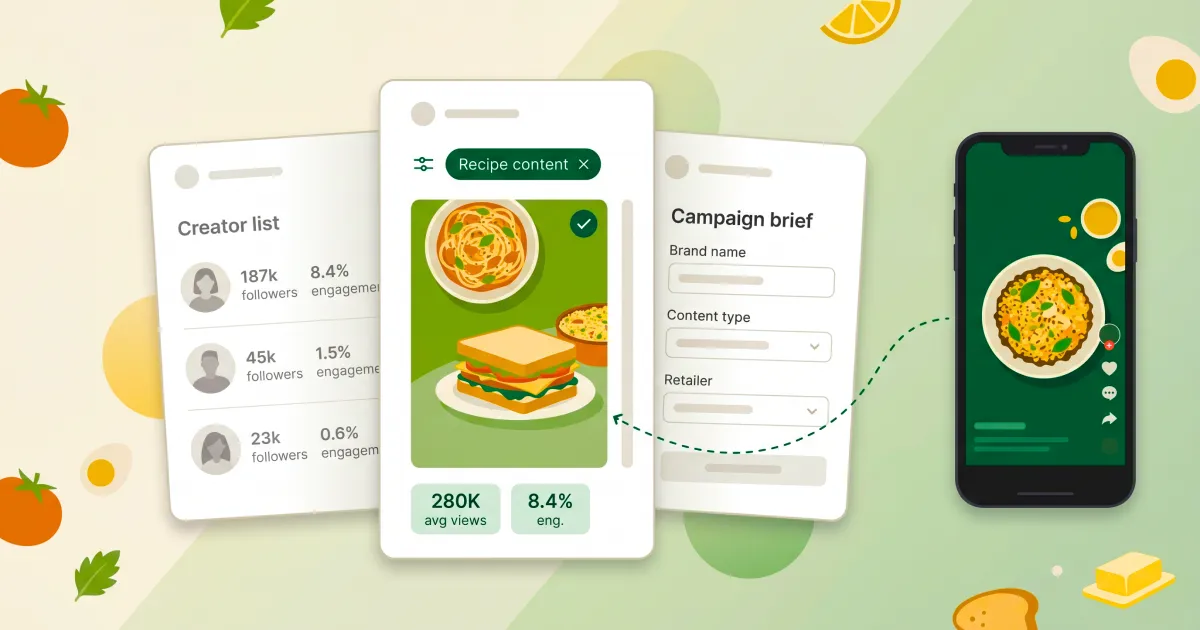
Trend, market, retailer, and retail media data all have mature AI tools. Creator marketing is often the gap. Many CPG teams still source creators in spreadsheets, write briefs from blank templates, and chase content over email, which means the insight from the rest of the stack stops at the moment it needs to reach shoppers.
Jupiter closes that gap for food and beverage brands. The Marketing Agent handles campaign creation from a plain-language description, routes submissions through content review, and reports results in live analytics. Campaigns on Jupiter have delivered 800M+ impressions, and the same workspace is reachable from Claude, Codex, or Gemini once a brand connects it.
Add one connector at a time, starting with the question you ask most
The fastest way to get value is not to connect everything on day one. Start with the question your team asks most often and the tool that answers it. For an insights team that is usually market data. For a brand team running a launch, it is often trends and creators. Once one connector earns its place in the daily workflow, the next one is easier to justify.
Agencies managing several CPG clients can apply the same logic per account, since each connector is scoped to the client workspace the user signs into. Jupiter supports that model directly through its agency workspace, where one login manages creator programs across client brands.
Add the creator layer to your CPG AI stack
Used by 60+ leading CPG brands including Banza, Pete & Gerry's, and Kettle & Fire.
Book a DemoTags
- ai tools for cpg brands
- cpg ai stack
- model context protocol
- ai marketing agent
- retail media ai
- food trend research
FAQs
Quick answers to common questions.
What AI tools do CPG brands use in 2026?▼
A typical 2026 CPG AI stack covers six jobs: Tastewise for food and beverage trend research, Circana Liquid AI for syndicated market data, Crisp for retailer sales and supply chain data, Pacvue Agent for retail media, Typeface for on-brand content, and Jupiter's Marketing Agent for creator campaigns. Each is a specialist tool grounded in its own data, and most now connect to general AI assistants like Claude and ChatGPT through the Model Context Protocol.
How much does it cost to connect CPG AI tools to Claude or ChatGPT?▼
The assistant connection is usually part of the underlying subscription rather than a separate product. Pacvue, for example, states its MCP server is available to all Pacvue customers at no additional cost, and Circana Liquid AI is sold within a Circana contract. Jupiter is priced per brand after a demo, and its MCP connection uses the same workspace login.
What is MCP and why does it matter for CPG marketing teams?▼
MCP, the Model Context Protocol, is an open standard that lets an AI assistant call tools and read data from outside systems. For CPG teams it means one assistant can pull trend data, market share, retailer sales, retail media results, brand guidelines, and creator campaign performance from the tools that own that data, instead of a person exporting and pasting each one.
Can Claude or ChatGPT replace Circana, Crisp, or Tastewise?▼
No. A general assistant does not have POS-calibrated market data, retailer portal feeds, or food trend signals of its own. The specialist tools supply governed data and category logic, and the assistant becomes the interface a marketer uses to ask questions across them.
Is it safe to connect retail and campaign data to an AI assistant?▼
The major CPG tools scope assistant access to the permissions a user already has, typically through an OAuth sign-in, so the assistant only sees what that person could see in the tool itself. Several, including Pacvue and Crisp, also require confirmation or governed permissions before the assistant can make changes. Teams with managed Claude or ChatGPT workspaces may need an admin to approve each connector.
Does Jupiter's Marketing Agent work inside Claude?▼
Yes. Jupiter runs an MCP server that connects Claude, Codex, and Gemini to a brand's Jupiter workspace after the user signs in with their Jupiter email. From the assistant, a marketer can look up campaigns, creators, and performance and take action in the workspace, and the same 20-tool Marketing Agent is also available inside the Jupiter platform.
More for brands
Browse more from our blog.