The first question most new food creators ask is: where do I actually put this?
You've got recipes. You've got a phone with a decent camera. Maybe you've been posting on Instagram or TikTok and want a home base that you own. Now you need a platform - preferably one that doesn't cost anything to start.
The good news: there are genuinely free options. The catch: "free" means very different things depending on which platform you're looking at. Some are free to start and expensive to grow. Some are free forever but cap your ability to earn. Some hand you a website with no path to monetization built in.
This comparison covers the platforms food creators actually use in 2026 - what each one costs, what it gives you, where it falls short, and which one is actually built for the goal most food bloggers have: making money from their content.
What to Look for in a Recipe Blog Platform
Before the comparison, the criteria worth evaluating - because "best platform" depends on what you're optimizing for.
Ownership. Can you export your content, your audience, and your data if you decide to leave? Platforms that lock you in are a long-term liability.
SEO capability. Recipe blogs live and die on search traffic. Your platform needs to support custom metadata, fast load times, clean URLs, and ideally recipe-specific structured data (Schema.org Recipe markup) so Google can surface your recipes in search results.
Monetization path. This is the one most beginner guides skip over. Can you run display ads on this platform? Can you do affiliate marketing? Can you integrate brand sponsorship content cleanly? Are there revenue share arrangements or platform fees that come out of what you earn?
Customization. Can you make the site look like yours, not like everyone else's on the platform? A branded, distinctive design builds trust with readers and brands.
Ease of setup. Particularly relevant if you're not technical. How long does it actually take to go from zero to a live, presentable site?
With those criteria in mind - here's how the major platforms compare.
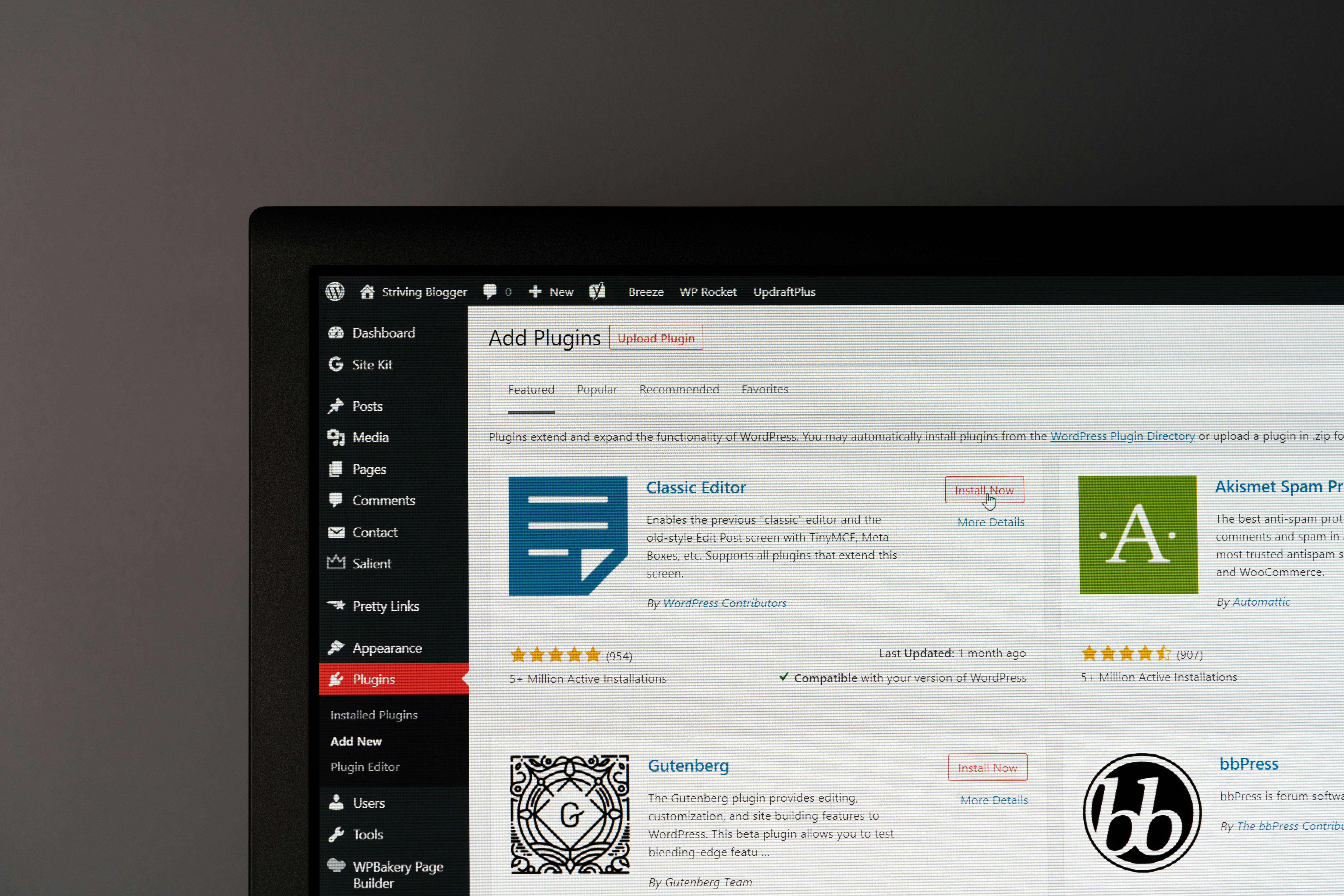
WordPress.org (Self-Hosted)
Free to use? The WordPress software itself is free. But self-hosted WordPress requires a domain (typically $10-$15/year) and web hosting (typically $5-$25/month, sometimes more). Total first-year cost: $70-$300+.
What you get: The most powerful and flexible blogging platform in existence. The majority of professional food blogs run on self-hosted WordPress. You get full ownership of your content and data, unlimited customization via themes and plugins, complete ad network compatibility, and the widest SEO plugin ecosystem available (Yoast, Rank Math, etc.).
Where it falls short: The setup process is genuinely not beginner-friendly. You need to choose a host, configure a domain, install WordPress, choose a theme, and then layer in plugins for things like recipe cards, SEO, caching, and security. None of that is technically difficult once you know how, but the learning curve is real, and the time cost is significant. You'll also spend ongoing time on maintenance - updates, backups, security patches.
Monetization readiness: Excellent, once you're set up. Self-hosted WordPress is fully compatible with every major ad network (Raptive, Mediavine, Google AdSense), every affiliate program, and any brand partnership format. No revenue share taken by the platform.
Best for: Creators who are committed to building a long-term, professional food blog and willing to invest setup time and a modest ongoing cost to get full control.
WordPress.com (Hosted)
Free to use? Yes, with significant limitations. The free plan includes WordPress.com branding in your URL (yourblog.wordpress.com), limited storage, and - critically - you cannot run third-party ads on the free plan. Paid plans start around $4/month and scale up from there.
What you get: The familiar WordPress experience without the hosting setup. Easier to start than self-hosted, with a cleaner onboarding flow.
Where it falls short: The free plan is not a viable long-term home for a food blog you want to monetize. The subdomain URL looks unprofessional, the ad restriction removes your most accessible early revenue stream, and the customization limits mean your site will look generic. Upgrading to a plan that actually supports your goals means you're no longer getting something free.
Monetization readiness: Poor on the free plan. Functional on paid plans, but you've now paid for what you could have gotten cheaper with self-hosted WordPress.
Best for: Testing whether you like blogging before committing to self-hosted setup. Not a long-term home.
Substack
Free to use? Yes. Substack is free to publish on; they take a 10% cut of paid subscription revenue if you charge for content.
What you get: An extremely easy publishing experience with a built-in email subscriber base mechanic. You write, you publish, subscribers get notified. The setup is genuinely five minutes.
Where it falls short: Substack is a newsletter platform that has expanded into long-form publishing - it is not built for recipe blogs. There's no recipe card format, no structured data for SEO, limited customization, and critically, almost no organic search discoverability. Substack's content is not indexed or surfaced by Google the way a traditional blog is. Your growth is almost entirely dependent on your existing audience or Substack's internal recommendation algorithm.
Monetization readiness: Limited. Works for creators with a large existing audience who want to monetize via subscriptions or direct sponsorships. Does not work for creators trying to build organic search traffic and ad revenue.
Best for: Established creators with an existing email audience who want to add a paid newsletter layer. Not a starting point for food bloggers building from zero.
Squarespace
Free to use? No. Squarespace has a trial period but no permanent free plan. Paid plans start around $16/month.
What you get: A genuinely beautiful website builder with excellent design templates and a clean editing experience. Squarespace sites look polished out of the box, which matters for brand perception.
Where it falls short: For food bloggers specifically, Squarespace has two meaningful gaps. First, SEO capability is more limited than WordPress - particularly for recipe-specific structured data, which affects how your recipes appear in Google Search. Second, display ad integration is clunkier than on WordPress; Raptive and Mediavine can technically run on Squarespace, but the implementation is more complicated and performance can be worse.
Monetization readiness: Moderate. Brand-sponsored content works fine. Display ads are possible but not optimal. No affiliate restrictions.
Best for: Creators who prioritize design aesthetics and are less focused on organic search traffic as a growth channel.
Wix
Free to use? Yes, with Wix branding in the URL and Wix ads displayed on your site. Paid plans start around $17/month.
What you get: An easy drag-and-drop website builder with a large template library. Lower technical barrier than WordPress, more customization than Squarespace.
Where it falls short: Wix's SEO performance has historically lagged behind WordPress, though it has improved. More importantly: the free plan puts Wix's own ads on your site, which looks unprofessional and actively competes with any monetization you try to build. Like WordPress.com's free tier, the free version of Wix is more a trial than a viable publishing home.
Monetization readiness: Limited on the free plan. Better on paid plans, but you're paying for a platform that still has SEO limitations compared to WordPress.
Best for: Non-technical creators who want a simple, presentable site and aren't prioritizing search traffic or ad revenue.
There's a Platform Built Specifically for Food Creators
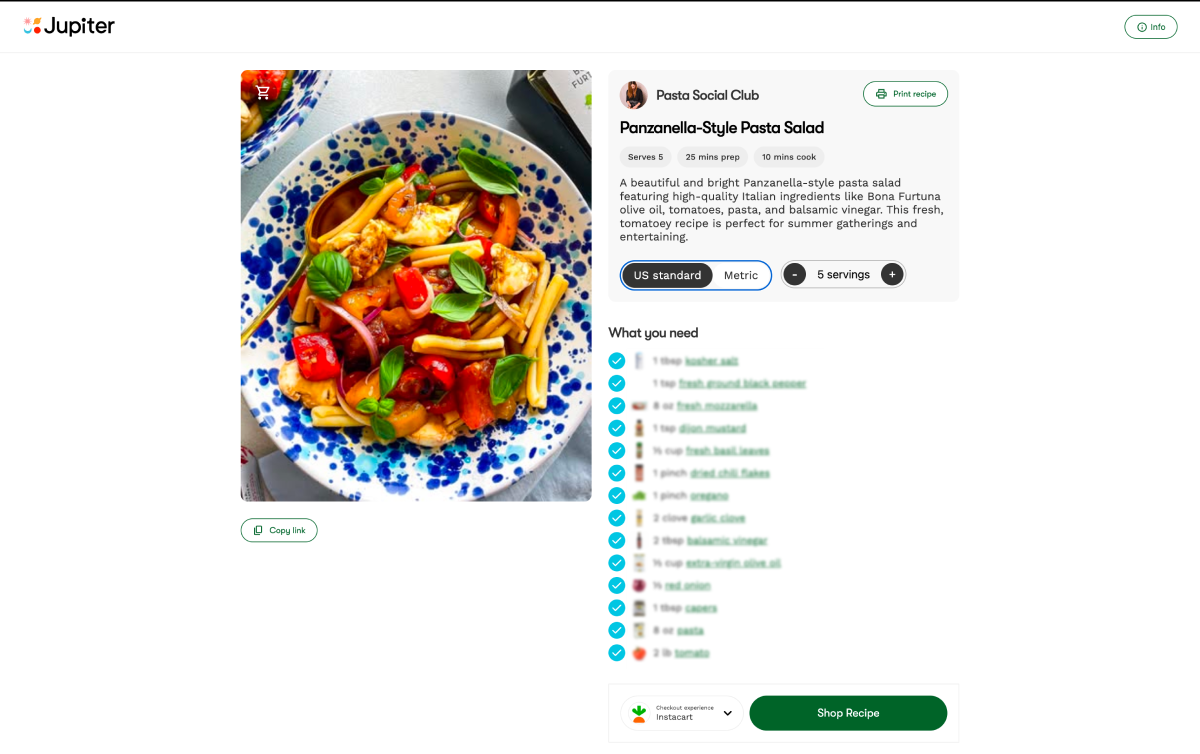
Jupiter gives food creators a free, branded recipe website - built with monetization in mind from day one. No setup complexity, no platform fees eating into your revenue.
Jupiter
Free to use? Yes - genuinely free. Jupiter is free to join and free to use. Jupiter takes a revenue share only when you earn; you pay nothing until there's money coming in.
What you get: Jupiter is built specifically for food creators who want to monetize - which makes it a different category of platform than everything above. When you join Jupiter, you get a free branded recipe website designed for food content. Not a generic blog template you have to customize from scratch, but a purpose-built recipe site that's optimized for the way food audiences actually browse and engage.
But the website is the entry point, not the whole value. Jupiter's platform layers in the monetization infrastructure that other platforms leave you to figure out on your own:
Brand partnerships. Jupiter's network includes 65+ CPG brands - Banza, Bonafide Provisions, Pete & Gerry's, General Mills, and more - actively looking for food creators for sponsored content. You don't pitch them. Jupiter surfaces opportunities to you.
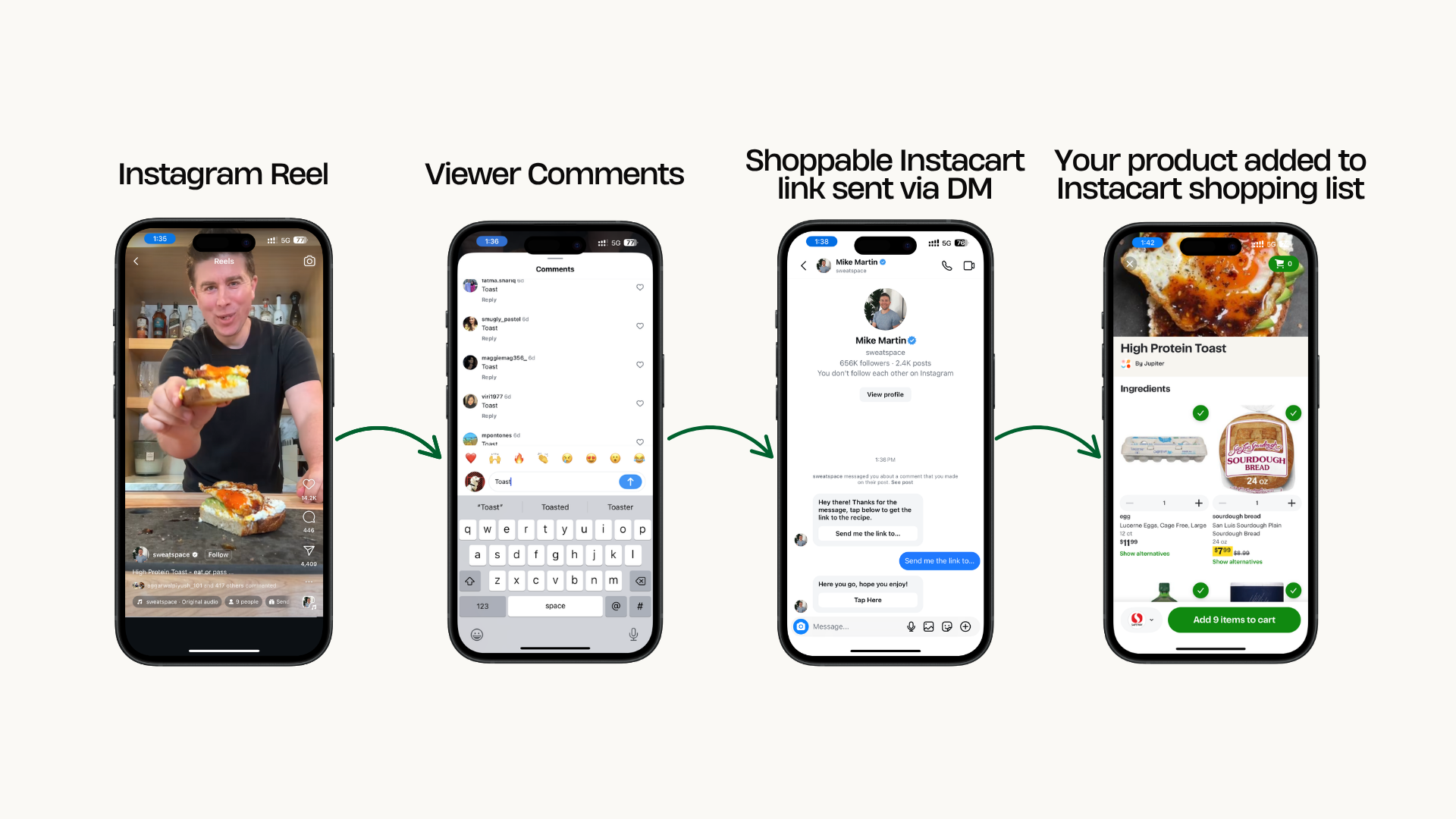
Instacart affiliate integration. Jupiter integrates Instacart commerce so your recipes can drive affiliate commissions when readers shop ingredients. This is a revenue stream most food bloggers don't access because the setup is complicated; Jupiter builds it in.
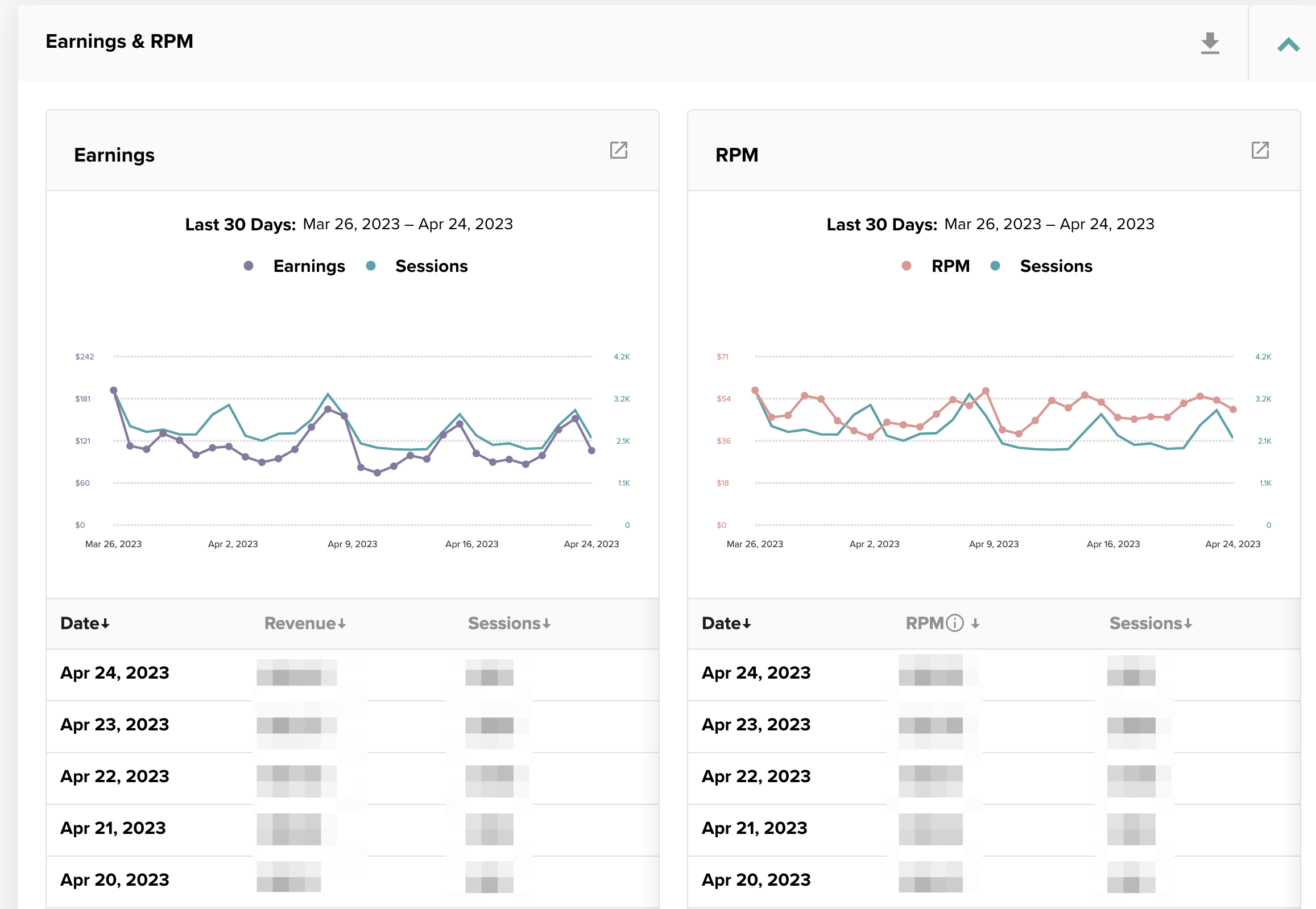
Premium ad networks. Jupiter works with Raptive and Mediavine - the two highest-paying ad networks for food bloggers - so creators in the network can access premium ad revenue without having to individually qualify and apply.
Where it falls short: Jupiter is purpose-built for food creators - if you're not a food creator, it's not the right fit. And if you want granular technical control over your site infrastructure (custom code, third-party plugins, server configuration), self-hosted WordPress still offers more flexibility at that level.
Monetization readiness: This is where Jupiter is categorically different from every other platform in this comparison. Every other platform gives you a place to publish and leaves the monetization to you. Jupiter is built with the monetization infrastructure already inside it.
Best for: Food creators at any stage - from complete beginners who want to skip the WordPress setup complexity and go straight to a monetization-ready site, to established creators who want to consolidate their revenue streams.
Head-to-Head: How the Platforms Compare
Here's the honest summary across the criteria that matter most for food creators:
Platform | Truly free to start | SEO capability for recipes | Display ad monetization | Brand deal infrastructure | Setup complexity for a beginner |
|---|---|---|---|---|---|
WordPress.org | No (hosting costs required) | Excellent | Full compatibility | None built in | High |
WordPress.com | Limited (free tier has major restrictions) | Good (paid plans) | Restricted on free plan | None built in | Low-Medium |
Substack | Yes | Poor | Not available | None built in | Very low |
Squarespace | No (trial only) | Moderate | Possible, not optimal | None built in | Low |
Wix | Limited (free tier has Wix ads) | Moderate | Limited | None built in | Low |
Jupiter | Yes | Built specifically for recipe content | Raptive and Mediavine integrated | 65+ CPG brand network included | Low |
The Real Trade-Off: Flexibility vs. Readiness
The honest framing of this comparison is not "which platform is best" - it's which trade-off is right for where you are.
Self-hosted WordPress gives you maximum flexibility and control. You can build exactly the site you want, integrate exactly the tools you need, and own everything completely. The trade-off is time, cost, and technical complexity - particularly at the start. Most professional food bloggers end up here eventually, but "eventually" often means after years of building an audience and revenue that justifies the investment.
Most other free platforms (Substack, Wix free tier, WordPress.com free tier) are genuinely free in the sense that you can publish on them without paying. But they're not monetization-ready - and for food creators specifically, they're not SEO-ready either. You're trading short-term cost savings for long-term capability gaps.
Jupiter is a different answer to the question. Rather than giving you a blank platform and leaving you to build the monetization layer yourself, it's a purpose-built system where the revenue infrastructure is already there. You don't need to separately apply to ad networks, separately build brand relationships, and separately configure affiliate integrations. That's already done.
For a new food creator asking "what's the fastest path from zero to actually earning from my content," that's a meaningful difference.
Skip the Setup. Start Earning Faster.
Over 1,000 food creators are already earning through Jupiter - with a free branded recipe website, access to 65+ CPG brands, and Instacart affiliate integration built in. No monthly fees, no platform costs until you earn.
A Note on Combining Platforms
You don't necessarily have to choose just one. Many food creators use a combination - a primary blog on WordPress or Jupiter, plus a Substack newsletter for audience communication, plus an active social presence on Instagram or TikTok.
The mistake to avoid is treating your social platforms as your primary blog. Instagram and TikTok are distribution channels - they're not owned media. The algorithm can change, the account can be restricted, and you have no way to contact your audience directly. Your blog - wherever it lives - is your owned asset. It's where your SEO-driven traffic lands, where your brand deal content gets hosted, and where your readers can find your full recipe archive.
Build on a platform that treats your blog as the center of gravity, not a secondary attachment to your social presence.
Which Platform Should You Actually Start With?
The honest answer depends on two things: where you are right now, and what you're trying to build.
If you want to start quickly, keep costs at zero, and have monetization infrastructure in place from day one - Jupiter is the clearest answer for food creators. The free branded recipe website removes the biggest practical barrier to starting, and the built-in brand network, ad integration, and Instacart affiliate setup means you're not spending months configuring a monetization stack before you see a dollar.
If you're deeply technical, want full server-level control, and are willing to invest 20-30 hours upfront in setup - self-hosted WordPress gives you the most long-term flexibility, particularly if you're planning to build a large-scale blog operation over several years.
If you already have a large email audience and want to add a paid newsletter layer - Substack is worth exploring as a complement to your main blog, not as a replacement.
For most food creators starting in 2026, the combination of zero upfront cost, purpose-built recipe functionality, and built-in monetization pathways makes Jupiter the most direct path from "I want to start a food blog" to "I'm earning from my food blog."
Your Free Recipe Website Is Waiting
Jupiter gives food creators a free branded recipe site with CPG brand access, Instacart affiliate integration, and premium ad network partnerships built in. Join 1,000+ creators already earning - at no cost until you do.