You've been creating food content for months - maybe longer. You've built a real audience. And now a brand has slid into your DMs asking for a "media kit."
If your stomach just dropped a little, you're not alone. A lot of food bloggers and creators treat the media kit as the scary, bureaucratic part of monetization - the thing you worry about before the fun stuff (you know, the actual brand deal) can happen.
Here's the truth: a media kit is just a one-to-two-page document that tells a brand who you are, who your audience is, and what you can do for them. That's it. No design degree required. No agency needed.
This guide walks you through every section, gives you a free template you can adapt today, and explains how to keep your numbers current - because outdated stats are the number one thing that kills credibility with brand partnerships before they even start.
What Is a Food Blogger Media Kit?
A media kit (sometimes called a press kit or influencer one-sheet) is a professional document you send to brands, PR contacts, and agencies when pitching yourself for a collaboration or responding to an inquiry.
Think of it as your professional resume - except instead of past employers, you're showcasing your audience, your content style, and the results you drive.
For food bloggers specifically, a strong media kit does three things:
1. Establishes credibility fast.Brands and agencies receive hundreds of pitch inquiries. Your media kit is often the first impression that determines whether a conversation continues.
2. Answers the questions brands always ask.Reach, demographics, engagement rate, past brand work - a media kit puts all of this in one place so you're not emailing back and forth for a week before you can even discuss a rate.
3. Signals that you're a professional.Even if you have 8,000 Instagram followers, a polished media kit communicates that you take your business seriously. That matters to brands.
What Brands Actually Look for in a Food Blogger Media Kit
Before you build anything, it helps to understand who you're building it for.
CPG brands, food companies, and their PR and marketing teams are looking for a few specific things:
Audience fit.Does your audience match their target consumer? A brand selling premium olive oil cares whether your followers are home cooks who care about quality ingredients - not just whether you have a lot of them.
Engagement, not just reach.A creator with 15,000 highly engaged followers often gets better results than one with 150,000 passive ones. Brands increasingly know this, and they're looking at engagement rate alongside follower count.
Past brand experience.Have you worked with food or CPG brands before? Even if it's just a few gifted collaborations, listing them shows you understand how brand partnerships work.
Content quality.Your media kit should link to or show examples of your best content. This is where the visual quality of your photography and recipe development matters.
Professionalism.A media kit that's formatted clearly, uses real numbers (not rounded-up guesses), and includes proper contact information tells a brand you'll be easy and reliable to work with.
The problem is that most food bloggers spend hours on the design and then scramble to pull together real, current data to fill it with. That's the hard part - and it's worth solving before you send a single pitch.
Ready to pitch brands with stats they'll actually trust?
Jupiter gives food creators access to 65+ pre-vetted CPG brands - Banza, Bonafide Provisions, Pete & Gerry's, General Mills, and more - plus the platform data that makes your media kit credible from the start. It's free to join.
The 8 Sections Every Food Blogger Media Kit Needs
Here's the free template - the eight sections your media kit should always include, with guidance on what to put in each one.
Section 1: Header / Introduction
Your name (or blog/brand name), a one-line tagline, and a high-quality headshot or content photo. Keep this clean and visual.
What to write:A two-to-three sentence bio that covers who you are, what kind of food content you make, and who your audience is. Be specific. "I'm a recipe developer and food photographer focused on weeknight dinners for busy families" is more useful to a brand than "I'm a food lover sharing recipes I love."
Template:
[Your Name / Blog Name] | [Tagline - e.g., "Easy weeknight dinners for real families"]
I'm a [location]-based recipe developer and [content type - food blogger / food photographer / food creator] with [X] years creating [niche - e.g., plant-based, Southern comfort food, 30-minute meals]. My audience is primarily [audience description - e.g., home cooks aged 25-44 in the US] who come to me for [what they get from your content].
Section 2: Your Platforms and Follower Counts
List every platform where you're active with a meaningful audience - Instagram, TikTok, YouTube, Pinterest, your blog, email newsletter. Include follower or subscriber count for each.
Important:Use your actual current numbers, not inflated estimates. Brands verify these. A discrepancy between your media kit and your public profile immediately damages trust.
Template:
Instagram: [X] followers
TikTok: [X] followers
YouTube: [X] subscribers
Blog (monthly unique visitors): [X]
Pinterest: [X] monthly views
Email newsletter: [X] subscribers
Section 3: Engagement Rate
This is the metric most creators underestimate. Engagement rate - the percentage of your audience that actively interacts with your content - is often more important to brands than raw follower count.
How to calculate it (for Instagram):
Average likes + comments on your last 12 posts ÷ total followers × 100
A 3-6% engagement rate is considered strong for food creators on Instagram. Anything above 6% is excellent and worth highlighting explicitly.
Template:
Average engagement rate: [X]% (Instagram) | [X]% (TikTok)
If your engagement rate is strong, lead with it. If it's lower than you'd like, focus more on reach and audience quality in this section.
Section 4: Audience Demographics
This is where brands decide whether your audience is a fit for their product. Include:
Gender split (most food blogger audiences skew female - that's useful context, not a weakness)
Age breakdown (top two or three brackets)
Top locations (country and top three to five cities or states)
Household income if available (Instagram Insights sometimes provides this)
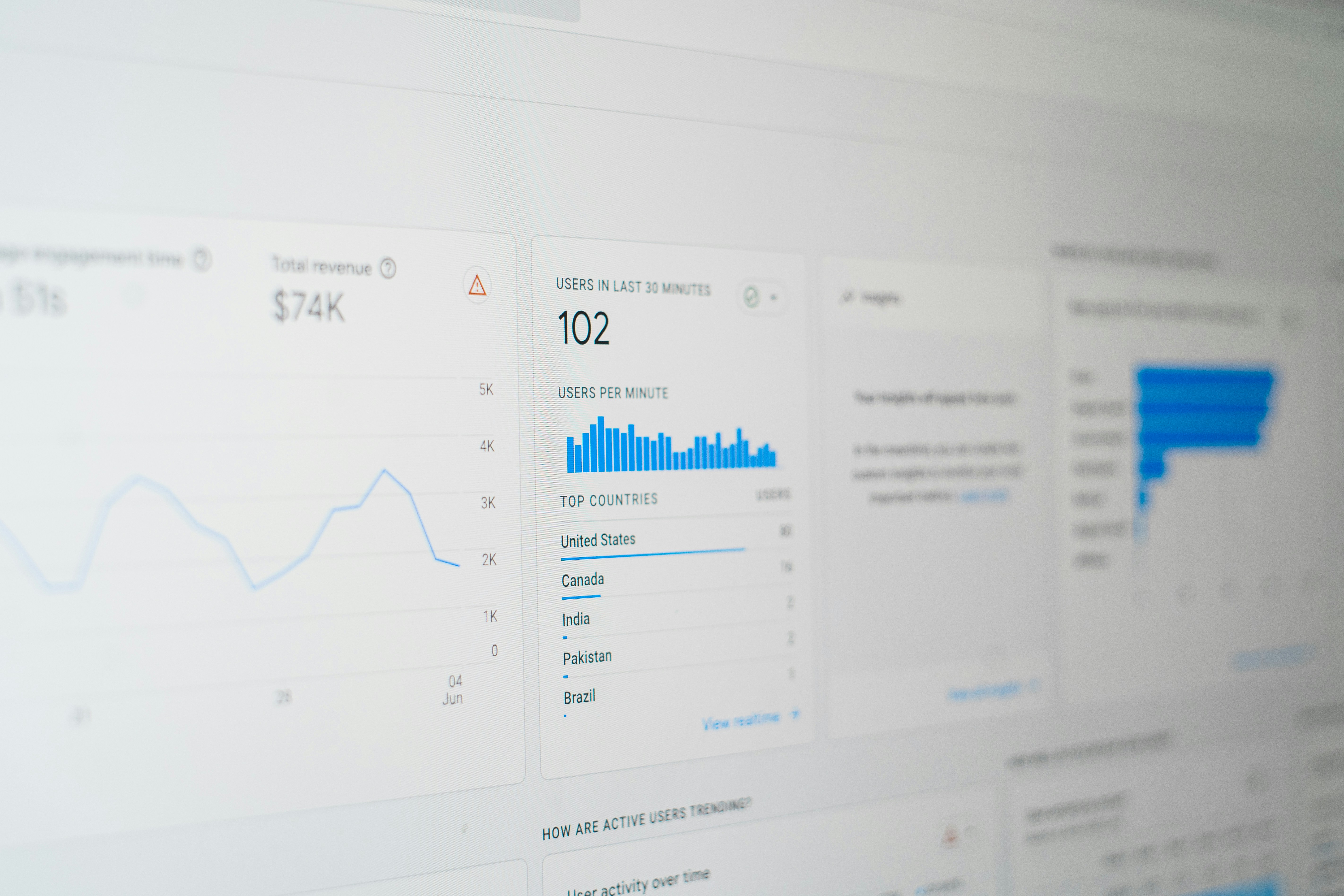
You can pull these numbers from Instagram Insights, TikTok Analytics, or your blog's Google Analytics account. Update them every six months at minimum.
Template:
Audience demographics:
- Top gender: [X]% female / [X]% male
- Top age group: [X]% ages [range]
- Top locations: [Country] ([X]%), [City 1], [City 2], [City 3]
- Platform: Instagram / TikTok / Blog
Section 5: Content Categories and Niche
Tell brands exactly what kind of food content you make. The more specific you are, the easier it is for the right brand to say yes.
Template:
Content focus: [e.g., weeknight dinners, gluten-free baking, budget meal prep, plant-based cooking, Southern comfort food]
Content formats: [e.g., static recipe posts, Reels, long-form blog posts with step-by-step photos, TikTok tutorials, YouTube how-tos]
Section 6: Past Brand Collaborations
List brands you've worked with - even if it was a gifted partnership or a small campaign. For each, you can optionally include the type of deliverable and a brief result if you have one.
If you haven't worked with any brands yet, don't fake it. Instead, highlight recipe development projects, food media features, or any other third-party recognition that demonstrates your credibility.
Template:
Past collaborations include: [Brand 1], [Brand 2], [Brand 3]
Available upon request: campaign examples, story insights, performance screenshots
Section 7: Services and Rates
This is optional to include in your initial media kit - many creators prefer to discuss rates directly - but if you include it, be specific.
Common food blogger partnership formats:
Instagram feed post (static or carousel)
Instagram Reel
TikTok video
Blog recipe post with brand feature
Email newsletter feature
Pinterest pin
Recipe development only (without posting)
Full content packages (multiple deliverables bundled)
You don't have to list exact dollar amounts if you prefer flexibility. You can write "rates available upon request" and focus this section on listing the deliverable types you offer.
Section 8: Contact Information
Your professional email. Optionally, your website URL and a link to your best content portfolio or Instagram profile.
Do not list your personal phone number. A professional email is sufficient.
Template:
[Your name] | [your@email.com] | [website URL]
Instagram: [@handle] | TikTok: [@handle]
The Problem with Most Food Blogger Media Kits
Here's the honest version that most guides skip: the biggest issue with food blogger media kits isn't design. It's data credibility.
When a brand receives your media kit, they're trusting that your numbers are real, current, and verifiable. But most food bloggers update their media kit once - right when they make it - and then let it sit for six months or a year. By the time they send it to a brand, the follower counts are outdated, the engagement rate is from a different era of their account, and the audience demographics have shifted.
This isn't just a minor inconvenience. Brands that sense stale or inflated data quietly move on.
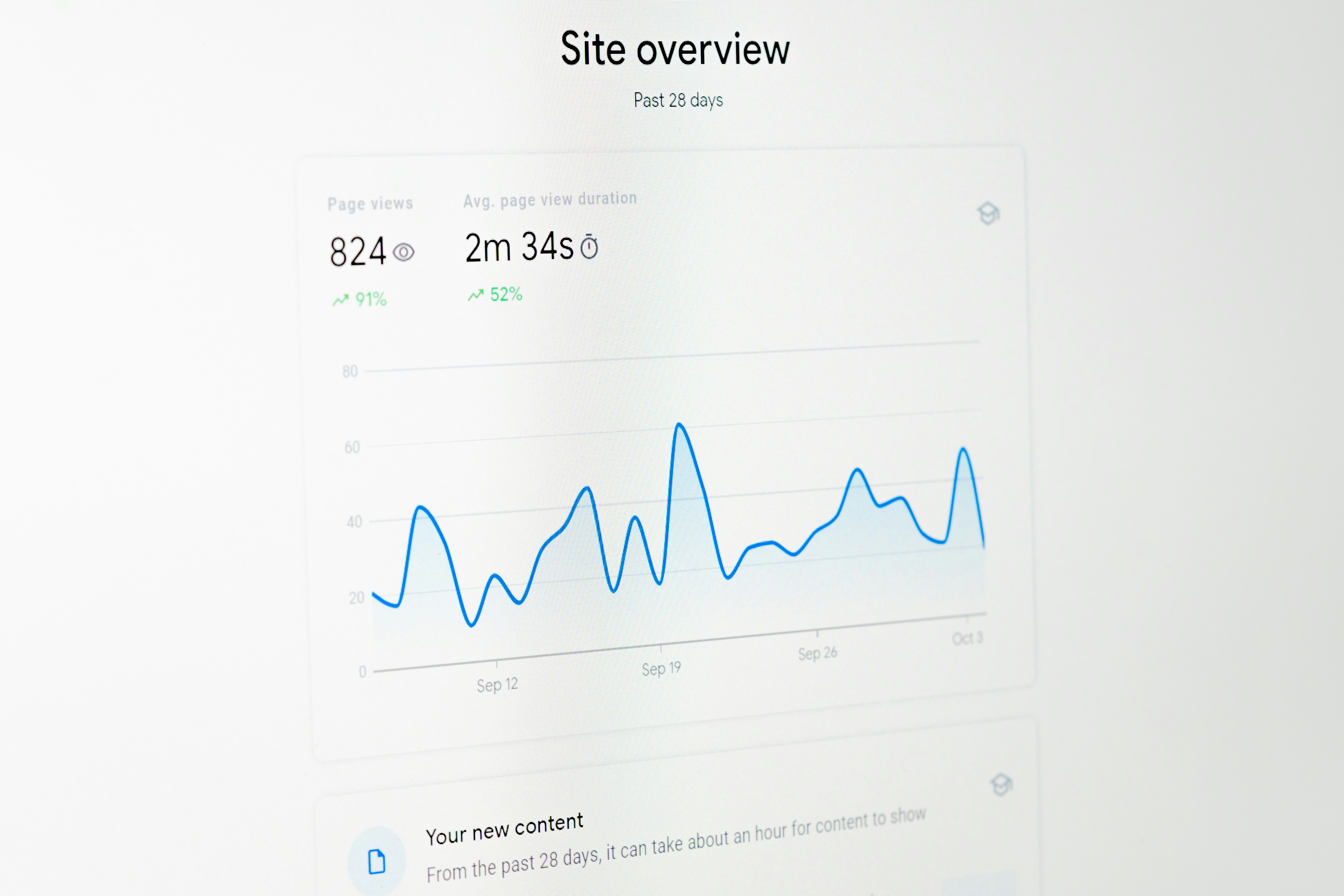
The other issue: most creators don't have a single source of truth for their stats. You're pulling Instagram numbers from Insights, blog traffic from Google Analytics, newsletter subscribers from Mailchimp, and trying to synthesize them into a coherent picture. It's tedious and error-prone, and it means your media kit is always slightly out of date.
Stop pulling stats from five different places every time you pitch.
Jupiter aggregates your creator data - follower counts, engagement rates, audience demographics - in one place, in a format brands already recognize and trust. Join 1,000+ food creators who've collectively earned $3M+ through the platform.
How Jupiter Solves the Media Kit Data Problem
When you join Jupiter, you're not just getting access to brand partnerships. You're joining a platform that pulls together your creator data - follower counts, engagement rates, audience demographics, platform performance - and makes it available in a format that brands already trust.
Jupiter works with 65+ pre-vetted CPG brands including Banza, Bonafide Provisions, Pete & Gerry's, and General Mills. These aren't brands you're cold-pitching with a PDF you made in Canva. These are brands that are actively looking for food creators, that have worked with Jupiter's 1,000+ creator community, and that have already contributed to $3M+ in creator earnings through the platform.
When you have Jupiter behind your pitch, a few things change:
Your data is current automatically.Jupiter's platform pulls from your connected accounts, so the numbers in your profile reflect where your audience actually is right now - not six months ago.
Your credibility is pre-established.Brands on Jupiter know that creators in the network have been vetted. You're not starting from zero trust every time you pitch.
You have a track record to point to.Even if you haven't done paid brand deals before, Jupiter's platform can surface your performance in a format that makes sense to CPG marketing teams.
You're connected to brands actively looking.Instead of spending hours researching which CPG brands have creator programs and cold-emailing their PR contacts, you have direct access to 65+ brand partnerships through one platform.
This doesn't replace your media kit - you'll still want one for outbound pitching and responding to inbound inquiries outside the Jupiter network. But it fills in the hardest part of building a media kit: having data you actually trust.
Food Blogger Media Kit Mistakes to Avoid
Using follower counts from six months ago.Update your numbers every time you send a media kit. Set a calendar reminder every 60 days to refresh your stats.
Inflating your numbers.Brands can check your public follower count in 10 seconds. If your media kit says 25,000 and your Instagram says 18,000, the conversation is over before it started.
Listing every platform you've ever used.If your Pinterest has 400 followers and you haven't posted in eight months, leave it off. Only include platforms where you have an active, meaningful presence.
Forgetting to include your niche."Food blogger" is not a niche. "30-minute dinner recipes for working moms" is a niche. Be specific enough that the right brand can immediately see the fit.
Making it too long.A media kit is not a portfolio. It's a one-to-two page document that opens a conversation. Save the deeper content examples for a follow-up.
Using a bad photo.Your media kit photo should look like your content - well-lit, styled, and representative of your brand. A blurry selfie or an old headshot works against you.
Not following up.Sending a media kit is the start of a conversation, not the close. If you haven't heard back in a week, a single polite follow-up is appropriate and expected.
How to Format and Design Your Media Kit
You don't need a graphic designer. Here's what you actually need:
Tools:Canva (free tier is fine), Adobe Express, or Google Slides. All three have media kit templates you can customize.
Length:One to two pages maximum. If it's longer, cut it.
File format:Export as PDF. It's universally openable and preserves your formatting.
Visual style:Match your blog or social media aesthetic. If your content has a warm, earthy feel, your media kit should too. Consistency signals professionalism.
Font choices:Two fonts maximum. One for headings, one for body text.
Color palette:Your existing brand colors. Don't introduce new ones in your media kit.
One practical tip: save your media kit in a Google Drive folder and share the link when brands request it, rather than attaching the PDF directly. This means you can update the file at any time and the link brands already have will always reflect the most current version.
The Bottom Line
A food blogger media kit doesn't have to be a production. It's a professional document that answers the questions brands are going to ask anyway - your audience, your reach, your engagement, your niche, your past work, and how to contact you.
The hard part isn't the design. It's keeping the data current and building the kind of credibility that makes brands take you seriously from the first email.
That's exactly what Jupiter is built to help with. When you join, you get access to a network of 65+ CPG brands that are actively looking for food creators like you - along with the platform data that makes your pitch credible before you even send it.
Your media kit is only as strong as the data behind it.
Jupiter keeps your creator stats current and puts them in front of brands who are already looking. Free to join. No catch.