CPG brand partnerships are the most coveted income stream in food content. A single deal with a brand like Banza or General Mills can pay more than months of ad revenue - and the best ones come with long-term retainers, not one-off posts.
But most creators spend their energy chasing these deals the wrong way: cold pitching to generic brand emails, building media kits that never get opened, and waiting for DMs that don't come.
This guide breaks down how CPG brand partnerships actually work - how brands decide who they work with, what they're really paying for, and the fastest path to getting in front of them.
What "CPG Brand" Actually Means (and Why It Matters for Food Creators)
CPG stands for Consumer Packaged Goods - the category of everyday products sold in grocery stores: pasta, eggs, broth, cereal, condiments, snacks, beverages, and so on.
For food creators specifically, CPG is the most natural sponsorship fit there is. Your audience already buys these products. Your content already features them. The alignment is built in - which is why CPG brands allocate serious influencer marketing budgets, and why the deals tend to pay better than most other categories.
The brands in Jupiter's network are a useful illustration of the range:
Banza- the chickpea pasta brand that's reshaped the pasta aisle. They partner with food creators to reach health-conscious home cooks who are open to ingredient swaps.
Bonafide Provisions- a premium bone broth and frozen food brand. Their audience is wellness-oriented, and they look for creators who speak authentically to that space.
Pete & Gerry's- one of the most recognizable egg brands in the US. They work with food creators across the spectrum, from weeknight dinner content to elevated brunch recipes.
General Mills- a portfolio brand that includes everything from Gold Medal Flour to Pillsbury to Annie's. At this scale, they run structured influencer programs with multiple tiers.
Understanding that CPG brands span from small-batch artisan companies to global conglomerates matters because the partnership process, timeline, and expectations are very different depending on which segment you're pursuing.
How CPG Brands Actually Find Creators
Here's the thing most creators don't know:the majority of CPG brand deals are not initiated by creators pitching brands.They're initiated by brands - or by the agencies and platforms they use - finding creators.
The discovery process typically works like this:
In-house brand teams or agency partners shortlist creators.Most mid-to-large CPG brands either have in-house influencer marketing managers or work with agencies that do the sourcing. They use influencer platforms, databases, and network referrals to build shortlists before any outreach happens.
They filter by category and audience match first.A brand selling chickpea pasta isn't just looking for a food creator - they're looking for a creator whose audience skews toward healthy eating, protein-conscious cooking, or quick family dinners. Category fit comes before follower count.
They look for content that demonstrates the product context.Brands scan a creator's feed asking: "Can I picture our product in this content?" If your content is consistently food-focused and your audience engages with recipe and ingredient posts, you're a stronger candidate than a general lifestyle creator with a larger following.
Platforms and networks surface pre-vetted options.This is increasingly how smaller and mid-size CPG brands operate - rather than sourcing from scratch, they work with creator networks that have already vetted creators for content quality, engagement, and brand-safety. It's faster, lower risk, and the deals tend to move more efficiently.
The implication for creators: your best leverage is not your pitch - it's making yourself easy to discover, and being inside the networks brands are already using to source talent.
What CPG Brands Are Actually Paying For
When a CPG brand sponsors your content, they're not just paying for a post. They're buying a combination of things - and understanding what they value helps you position yourself correctly.
Audience trust.Your audience trusts your ingredient and product recommendations in a way they don't trust banner ads. That trust is the core asset. CPG brands pay a premium for creator audiences that genuinely take action on food recommendations.
Content rights.Most CPG brand deals include usage rights - the brand can repurpose your content in their own channels, paid ads, or retail marketing. This is a significant value component that creators often undercharge for.
Category reach.Brands want to reach buyers in specific purchase contexts. A recipe video featuring Pete & Gerry's eggs reaches people who are actively thinking about eggs - that's far more valuable than reaching a generic social media audience.
Authenticity signals.CPG brands have learned the hard way that forced integrations don't convert. They're actively looking for creators who would plausibly use the product organically - which is why cold pitches from creators who have never mentioned the product category tend to underperform.
The Three Partnership Models CPG Brands Use
Not all CPG brand deals are structured the same way. Understanding the models helps you know what to negotiate for.
Paid Sponsored Posts
The most common entry point. The brand pays you to create content featuring their product - typically a recipe, a tutorial, or a "how I use this" style post. Deliverables, timeline, approval process, and exclusivity terms are defined in a brief.
Payment rates vary enormously based on platform, audience size, engagement rate, content type, and the brand's budget cycle. Experienced food creators can command anywhere from a few hundred dollars for micro-influencer campaigns to five figures per post for premium placements.
Ambassador Programs
Longer-term arrangements - typically 3 to 12 months - where you're associated with the brand across multiple content pieces. These programs pay better in aggregate, provide stability, and often come with additional perks (product, events, early access). They also require more exclusivity and content volume.
Brands like Banza run structured ambassador programs and actively recruit through their influencer partners and platforms rather than open applications.
Affiliate and Commission Arrangements
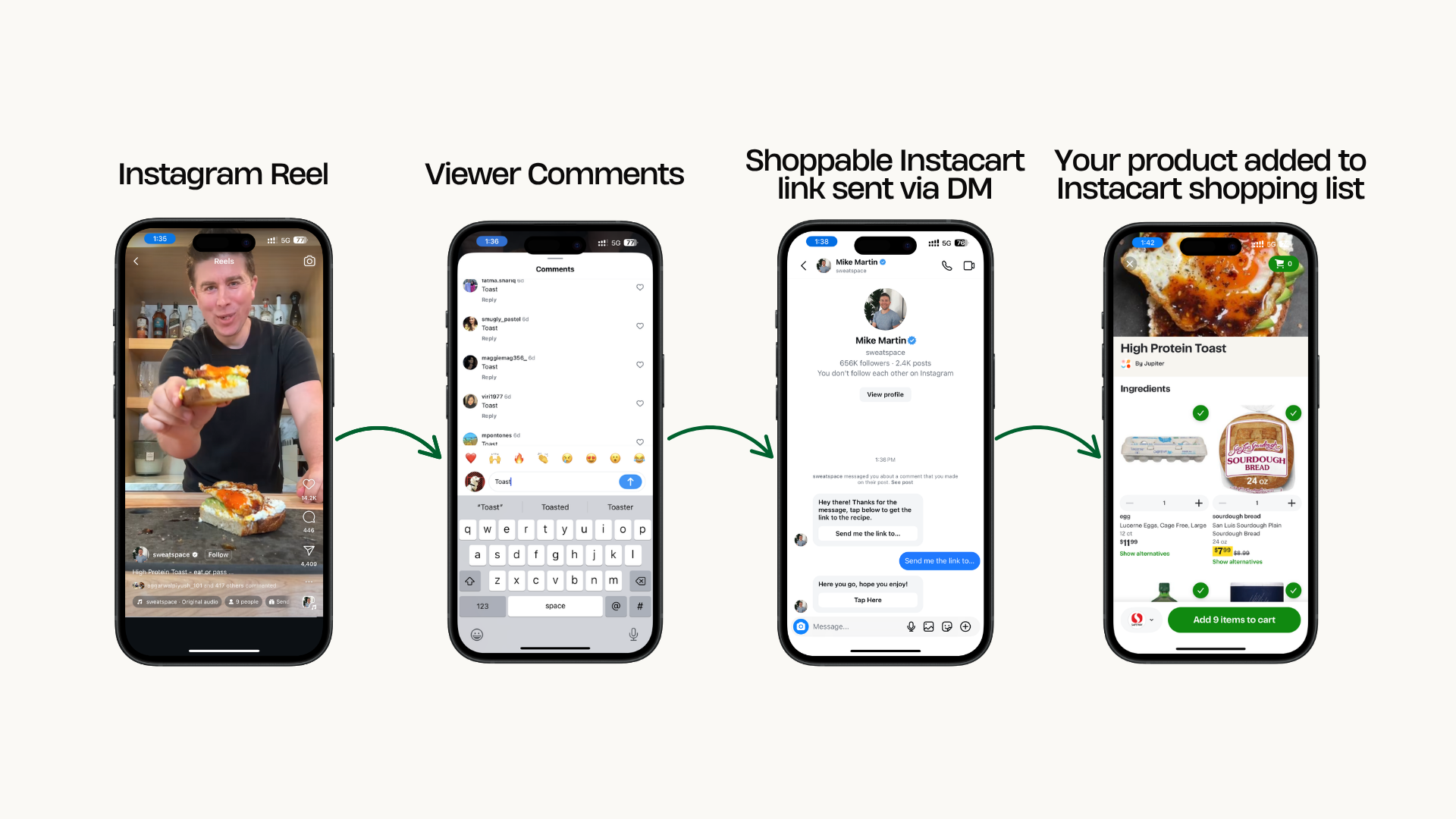
Some CPG brands - particularly those with a strong e-commerce presence or retail partnerships like Instacart - offer affiliate structures where you earn a commission on sales driven by your content. These work best when paired with a high-intent audience and content that's optimized for conversion.
The Fastest Path to CPG Brand Deals
Given that brands are largely sourcing proactively rather than fielding cold pitches, the fastest paths to CPG partnerships are:
1. Be discoverable in the right places
This means: a consistent, clearly food-focused content library across your platforms, an accurate and complete profile on influencer databases and platforms that brands use, and participation in creator networks that have direct relationships with CPG brand marketing teams.
2. Build a portfolio of food-forward content
Before a brand will consider you, someone on their team will look at your last 12 to 20 posts. What they're evaluating: Is this person's content consistently food-focused? Does the quality match what we'd want representing our brand? Does the audience engage with the food content specifically, or just with personality posts?
A food creator with 15,000 engaged followers and a cohesive, recipe-focused feed will often land more CPG deals than a lifestyle creator with 150,000 followers and inconsistent food content.
3. Understand the category you're in
CPG brands segment by category - and your content should make your category obvious. A creator who posts gluten-free, high-protein recipes is a natural fit for brands like Banza. A creator who posts elevated home cooking is a natural fit for brands like Bonafide Provisions. The clearer your niche, the more efficiently you match with the right brand's brief.
4. Work with a platform that has direct brand relationships
This is arguably the fastest accelerant. Platforms that maintain direct relationships with CPG brand marketing teams can surface your profile to brands who are actively looking - without you ever having to pitch. You get in front of decision-makers you'd never reach through a cold email.
Access 65+ CPG Brands Without Cold Pitching
Jupiter's creator network gives you direct access to brand partnerships with Banza, Bonafide Provisions, Pete & Gerry's, General Mills, and 60+ other CPG brands - all pre-negotiated and managed for you.
What Brands Look at Before Reaching Out
If you're trying to optimize for inbound brand interest, here's the actual checklist brands and their agencies run through when evaluating a creator:
Engagement rate, not just follower count.A 4% engagement rate on 20,000 followers is more valuable to most CPG brands than a 0.5% rate on 200,000. They want to know your audience is actually watching and responding.
Content-audience alignment.Are the people commenting on your recipes actually interested in the food? Or is your engagement driven by giveaways, follow-for-follow dynamics, or off-topic content?
Brand safety.Brands will scroll your entire feed. Any controversy, off-brand content, or previous sponsorships with competing brands will get flagged. A clean, consistently on-brand content history is a genuine competitive advantage.
Story performance over feed performance.Many CPG brands now weight Stories, Reels, and short-form video more heavily than static posts - because that's where purchase intent is more measurable. If your short-form food content performs well, make sure it's visible.
Past brand work quality.If you've done previous sponsored content, how did it look? Was the integration natural? Did the post perform? Brands look at how you've handled previous deals as a preview of how you'd handle theirs.
How to Negotiate a CPG Brand Deal
Getting the interest is only half the work. Here's how to handle the actual deal structure.
Know your rate before you respond.Brands will often ask for your rates before sharing a brief. Have a number ready based on your platform, audience size, engagement rate, deliverables, and usage rights - not based on what you think the brand can afford to pay.
Separate the usage rights conversation.Base content fees and usage rights fees are different things. If a brand wants to run your content in their paid ads or use it for retail marketing, that's a rights package that commands a premium on top of the creation fee. Many creators leave significant money on the table by not clarifying this upfront.
Ask about exclusivity scope.Most CPG briefs include a competitive exclusivity clause - you can't work with their direct competitors for a defined period. Understand exactly what "competitor" means in their definition and price the exclusivity accordingly.
Confirm approval timelines.CPG brands often require content approval before publishing, and their approval process can take longer than you expect. Get the review turnaround time in writing and build it into your timeline.
Request a performance report.At the end of a campaign, ask if the brand will share how your content performed in their backend - click-through rates, coupon redemptions, or sales lift data if available. This data makes your next negotiation stronger.
1,000+ Creators Are Already Earning with Jupiter
Jupiter's platform handles brand matching, deal negotiation, and payment - so you spend your time creating, not pitching. Join the network of food creators earning from CPG brand partnerships.
The Reality of Cold Pitching CPG Brands
Cold pitching - sending unsolicited emails or DMs to brand marketing teams - does occasionally work. But it's a low-probability strategy for a few reasons:
Most brand marketing inboxes are managed by agencies or coordinators who filter heavily. A cold pitch from an unknown creator almost never reaches the decision-maker. Even if it does, the timing rarely matches an active campaign cycle - brands plan campaigns 3 to 6 months in advance, so an unsolicited pitch might arrive when the budget for your relevant category is already fully committed.
The most effective version of "cold outreach" isn't actually cold - it's a warm introduction through a mutual connection, an agency relationship, or a platform the brand is already working with.
If you're going to pitch brands directly, the things that give you the best chance:
Organic product use.You've used and featured the product organically, and you have content to show for it.
Specific data.Your pitch includes specific data: your engagement rate, audience demographics, and comparable post performance.
A concrete campaign concept.You're pitching a specific campaign concept, not a generic "I'd love to work together" email.
The right contact.You're pitching to the right person - the influencer marketing manager or brand partnerships lead, not the generic info@ address.
Why CPG Brand Deals Have Gotten More Accessible
Five years ago, the CPG influencer marketing landscape was largely a closed ecosystem - brands worked with a small roster of creators they'd built relationships with over time, and the rest of the market had little visibility into how to get in.
That's changed. The CPG category has dramatically increased its influencer marketing spend. Brands that never worked with food creators are now allocating significant budget to the channel. And the infrastructure to match brands with creators has professionalized - there are now platforms, agencies, and networks specifically built to facilitate these partnerships at scale.
The result is that CPG brand deals are more accessible than they've ever been - but access is not equally distributed. Creators inside the right networks and platforms have a significant informational and relational advantage over those trying to navigate the landscape from the outside.
Getting into Jupiter: How the CPG Brand Access Works
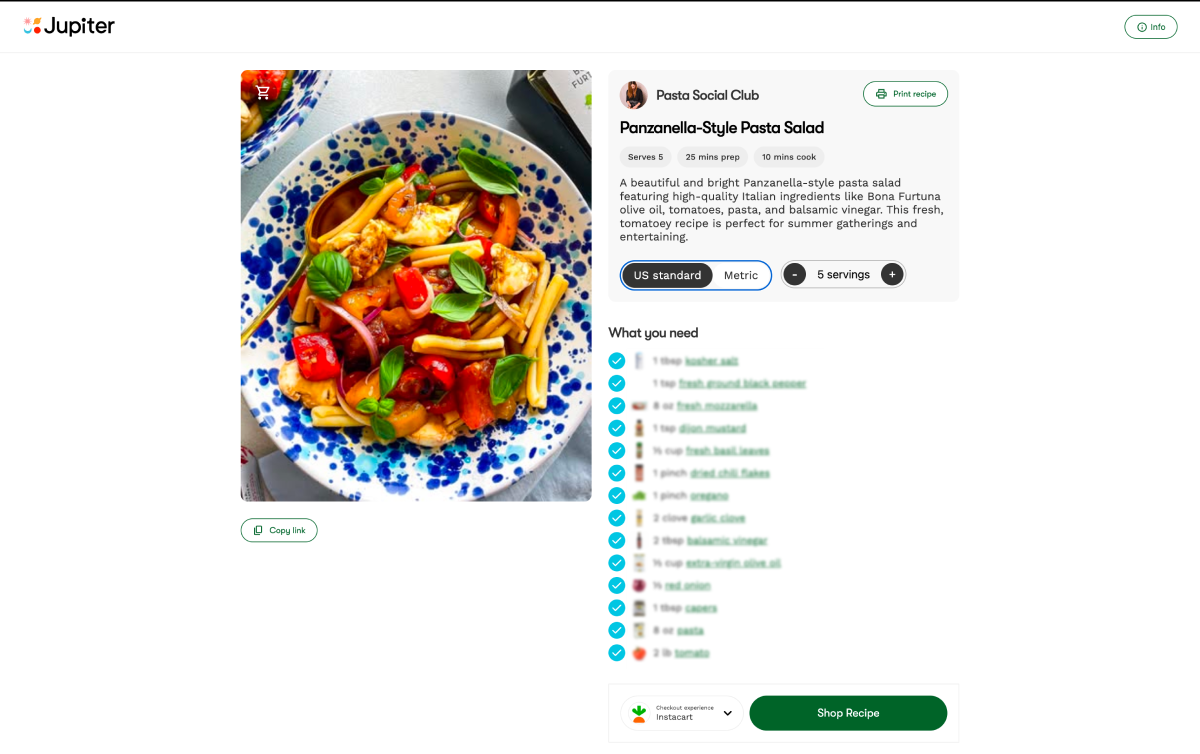
Jupiter's network was built specifically to solve the access problem for food creators. Rather than leaving creators to navigate brand relationships on their own, Jupiter maintains direct partnerships with 65+ CPG brands - including Banza, Bonafide Provisions, Pete & Gerry's, and General Mills - and surfaces creator opportunities as they become available.
When you join Jupiter, you're not just getting a media kit template or a list of brand contact emails. You're getting direct placement inside the same ecosystem brand marketing teams are already using to find creators. That's a different kind of access.
Jupiter is free to join. You pay nothing until you earn - Jupiter takes a revenue share only when deals close.
Ready to Start Working with CPG Brands?
Join Jupiter for free and get access to brand partnerships with 65+ CPG brands. No cold pitching, no guesswork - just opportunities matched to your content and audience.