How Food Bloggers Make Money in 2026: Every Revenue Stream Explained
Food blogging has quietly become one of the most financially viable creator paths - but the income picture looks nothing like it did five years ago. The creators making real money in 2026 aren't relying on a single revenue stream. They're stacking.
This guide breaks down every meaningful way food bloggers earn in 2026: what each stream pays, what it takes to unlock it, and how the most successful creators layer them into an income that compounds over time.
The Income Stack Mindset
Before diving into individual streams, it's worth zooming out. Most food creators who plateau at a few hundred dollars a month are over-reliant on one source - usually display ads or a single brand deal here and there. The creators clearing $5,000, $10,000, or $20,000+ per month have something different: an income stack.
An income stack means multiple revenue streams generating simultaneously, each one reinforcing the others. Your blog traffic feeds your ad revenue and your Instacart affiliate commissions. Your Instagram audience attracts brand deals, which drive traffic back to your blog. Your email list becomes a launch pad for digital products. None of these streams live in isolation.
With that framework in mind, let's go stream by stream.
Display Advertising
Display ads remain the most passive and reliable baseline income for food bloggers with meaningful traffic. You publish a recipe, someone finds it via Google, and you earn a small amount every time that page loads an ad.
The key variable isn't volume - it's the ad network you're on.
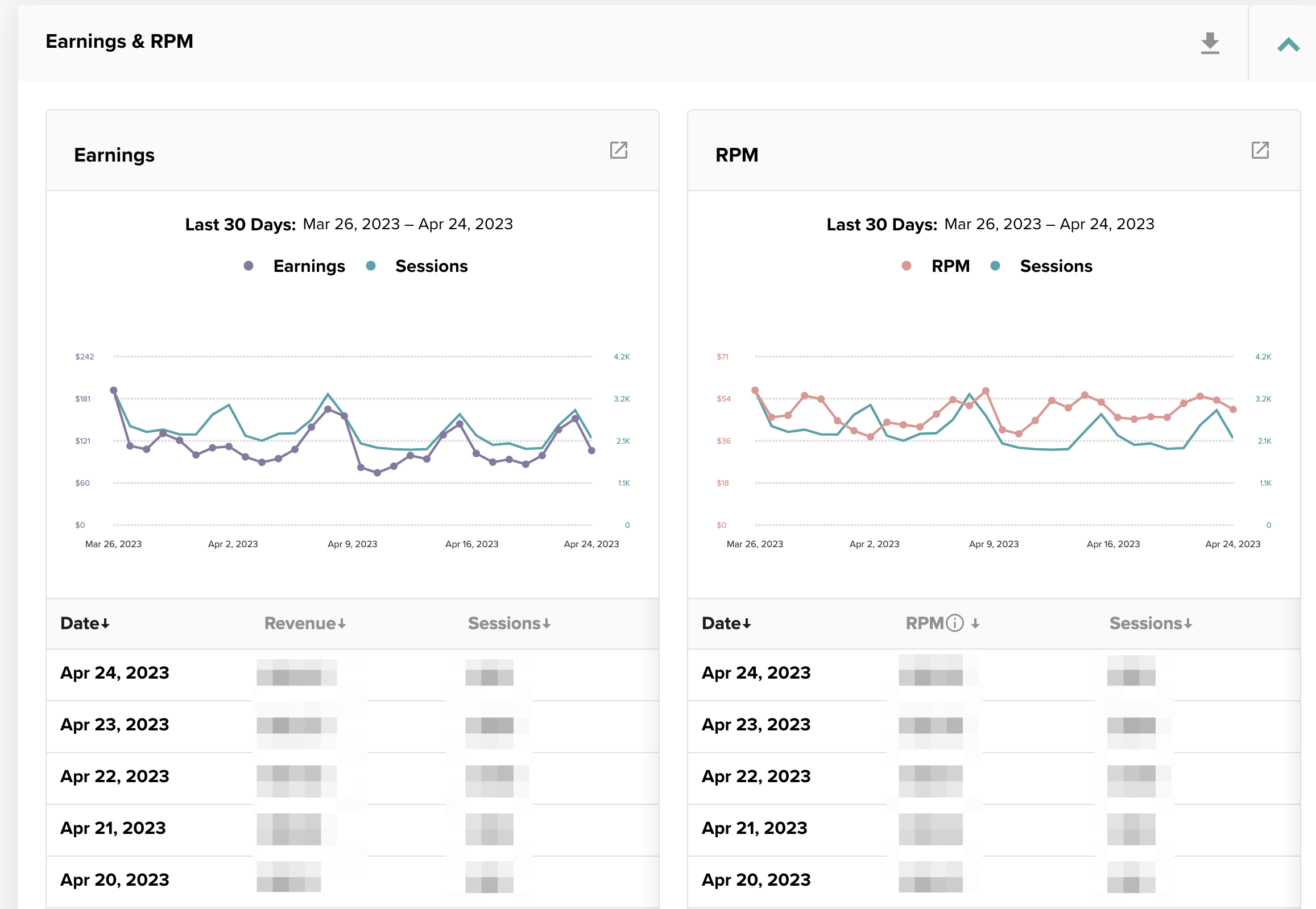
RPM (revenue per thousand pageviews) is how display ad income is measured. On generic ad networks, RPMs hover between $2–$8. On premium networks like Raptive and Mediavine, food bloggers routinely see RPMs of $20–$50+, with some spiking well above that during Q4 holiday traffic.
That difference is enormous. At 100,000 monthly pageviews:
Generic network at $5 RPM → ~$500/month
Premium network at $30 RPM → ~$3,000/month
Mediavine requires 50,000 sessions per month to apply. Raptive (formerly AdThrive) requires 100,000 monthly pageviews. Getting onto these networks is a milestone worth working toward - and the income shift when you do is dramatic.
What it takes: Consistent SEO content, a fast-loading site, and patience to build traffic. Display ads alone rarely become a full-time income, but they're the most reliable "base layer" in the stack.
Brand Sponsorships & Sponsored Content
Sponsored content is where food creators often see their largest individual paydays. A brand pays you to create content featuring their product - a recipe, a video, a series of social posts, or some combination.
The range is wide. Nano-creators (under 10k followers) might earn $150–$500 per post. Mid-tier creators (50k–200k) typically negotiate $1,500–$8,000 per campaign. Creators with highly engaged, niche audiences - even with smaller followings - can command premium rates because CPG brands care more about conversion than raw reach.
In 2026, brand deal structures have evolved. Brands increasingly want:
Long-form recipe blog posts (because they rank on Google and live forever)
Short-form video (Reels, TikTok) alongside static posts
Usage rights for repurposing content in paid ads
Multi-platform packages that include email newsletter placements
The food vertical is particularly active in the CPG space - packaged foods, condiments, kitchen appliances, specialty ingredients, health-focused brands. Companies like Banza, Pete & Gerry's, Bonafide Provisions, and General Mills actively seek food creators for ongoing sponsorships, not just one-off posts.
What it takes: A defined niche, a professional media kit, and ideally a relationship with a platform or network that connects you with relevant brands at scale. Cold outreach works but is slow; being inside a brand-connected network dramatically accelerates deal flow.
Get Connected to 65+ CPG Brands - For Free
Jupiter members get access to a network of 65+ food and CPG brands actively seeking creators for paid sponsorships. No cold pitching, no waiting around - Jupiter matches you with relevant campaigns based on your niche and audience. It's free to join, and you only share revenue when you earn.
Affiliate Marketing & Commerce Commissions
Affiliate income is one of the most underrated revenue streams for food bloggers - largely because the old model (Amazon Associates at 1–3% commissions) trained creators to dismiss it. The 2026 affiliate landscape is meaningfully different.
Instacart Affiliate Commerce
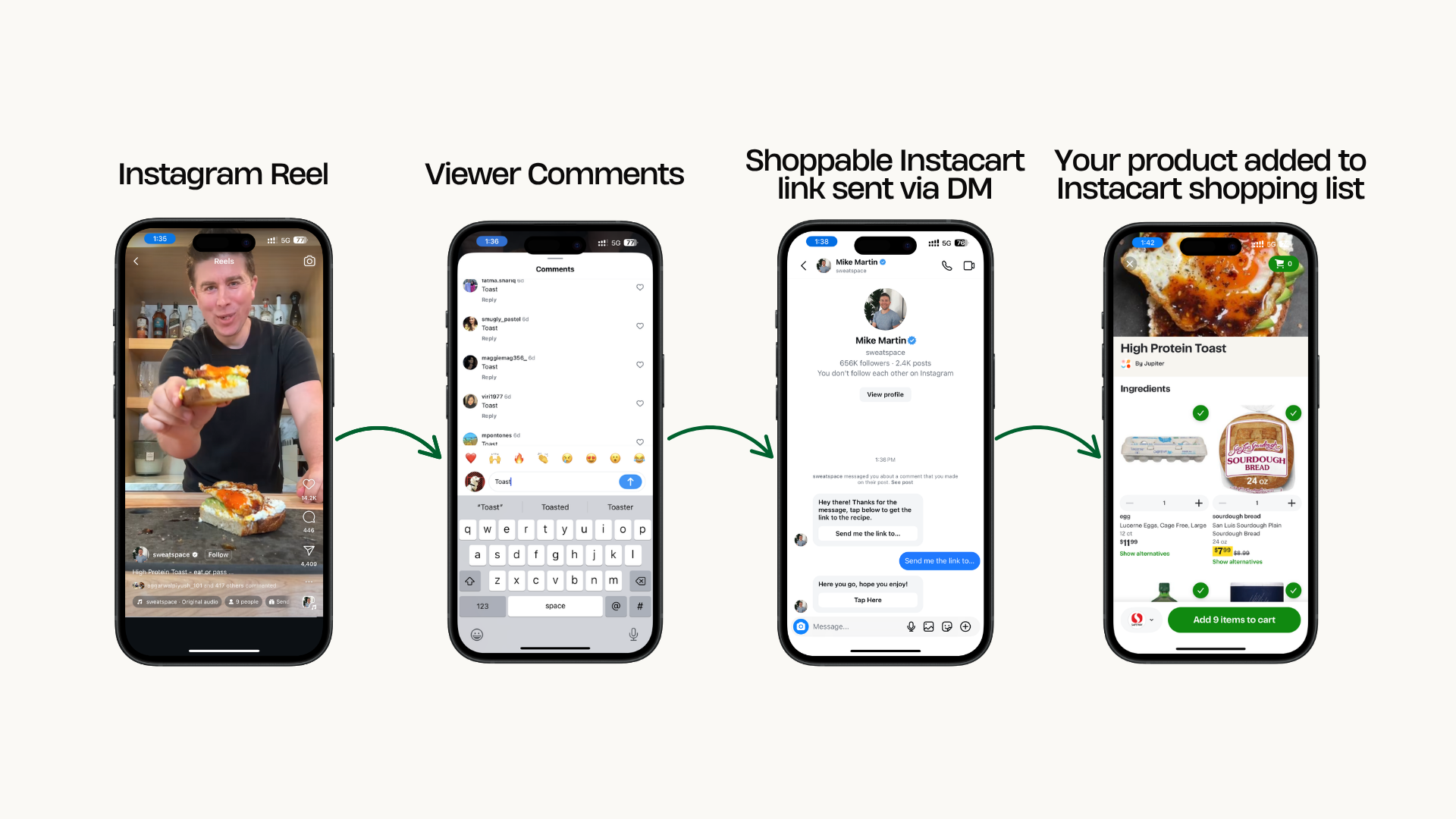
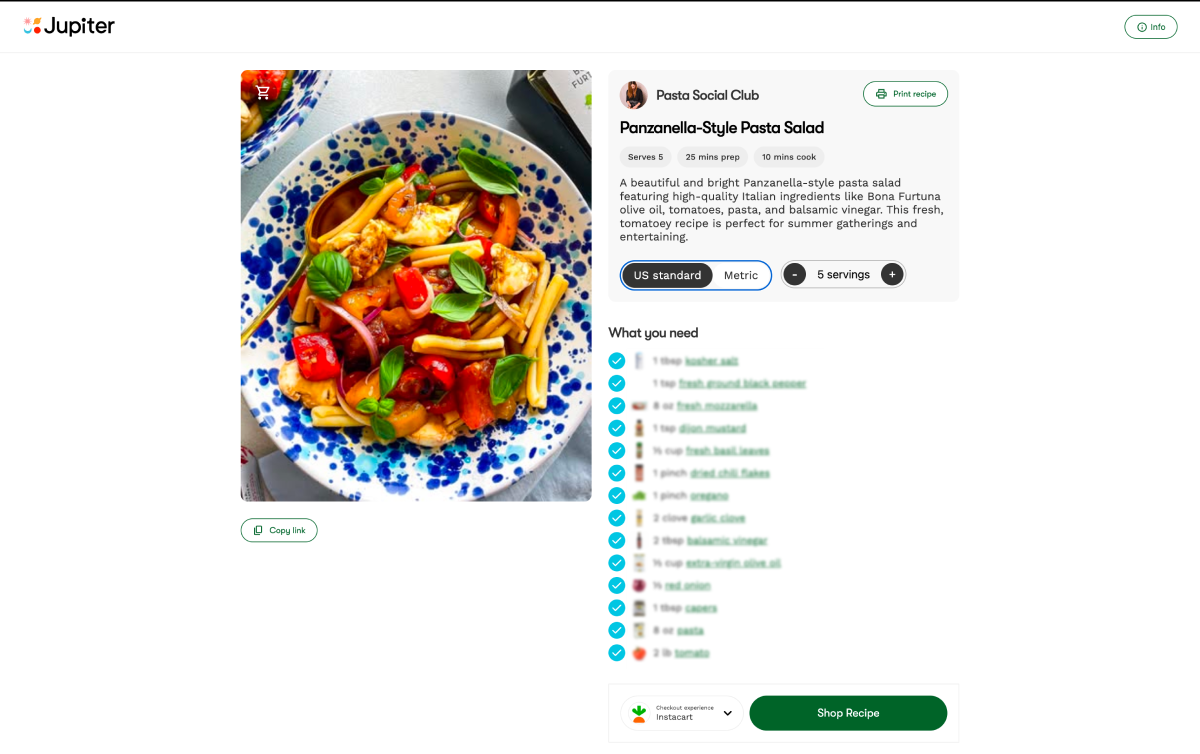
The most significant development for food creators specifically is the growth of Instacart's affiliate program. When you link to ingredients in your recipes and a reader shops through that link, you earn a commission on the purchase.
This matters because it converts the natural behavior of recipe readers - shopping for ingredients - into income. The commission rates are more competitive than Amazon's food category, and the intent signal is high: someone reading your beef bourguignon recipe and clicking your ingredient links is actively planning to cook.
For food blogs with recipe-forward content, Instacart affiliate links embedded throughout posts can generate consistent passive income that scales directly with traffic.
Other Affiliate Opportunities
Kitchen equipment (cookware, appliances): commissions typically run 4–8% and average order values are high
Specialty ingredient brands: direct affiliate programs with rates of 10–20%
Meal kit services: high CPAs (cost per acquisition) in the $20–$60 range
Cooking classes or digital platforms: recurring commissions on subscription products
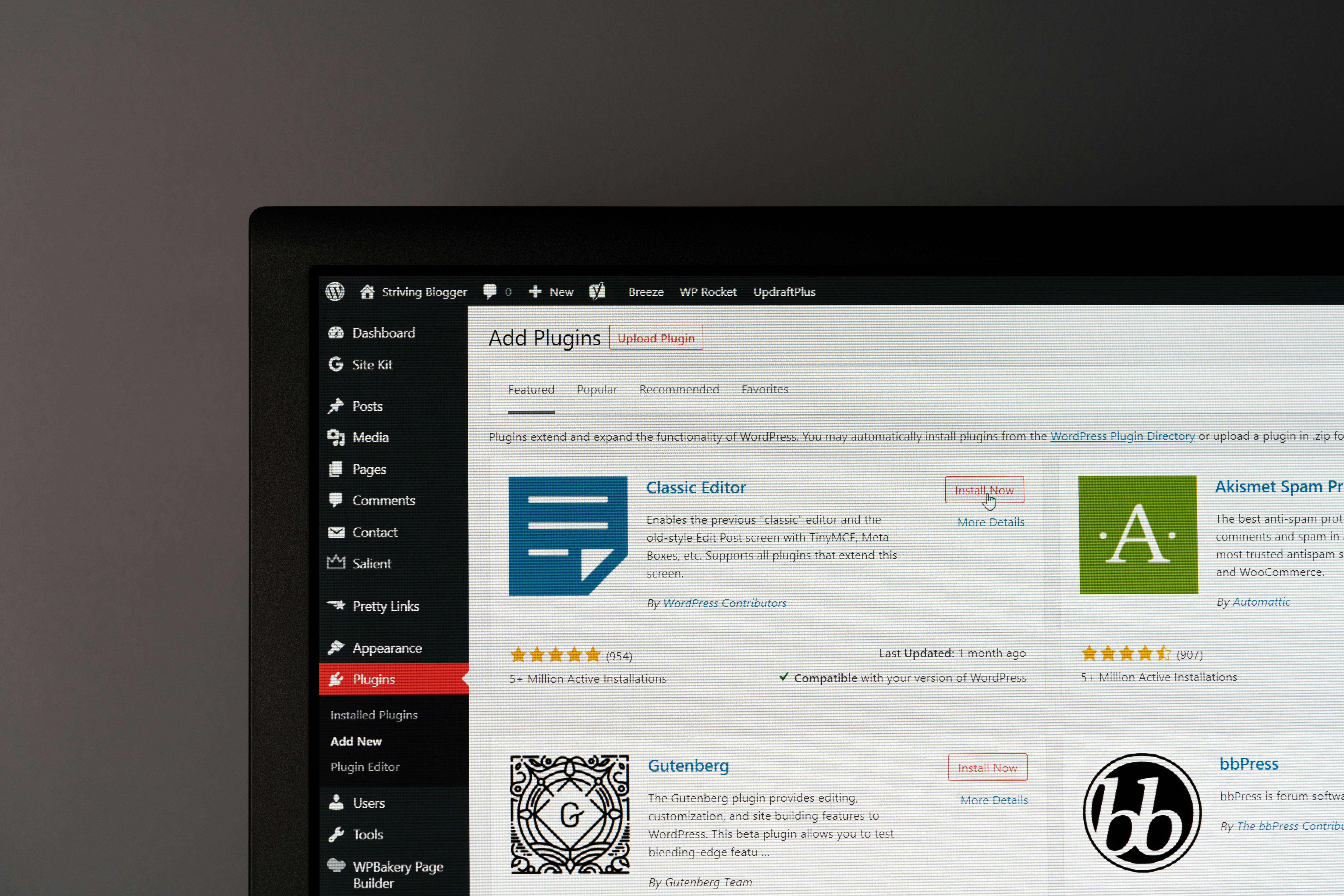
What it takes: Strategic link placement within recipe content, a plugin or system to manage and disclose affiliate links, and enough traffic to generate meaningful volume.
Email Newsletter Monetization
Email is the most resilient and highest-converting channel food creators own - and most are barely monetizing it.
A food blogger's email list isn't just a distribution channel. It's a revenue asset. In 2026, food newsletter monetization takes several forms:
Newsletter sponsorships: A dedicated or integrated mention in your weekly send. For lists of 5,000–20,000 engaged subscribers in the food niche, rates typically range from $200–$2,000 per send.
Digital product launches: New recipe ebooks, meal plans, and cooking courses convert dramatically better via email than social. A food blogger with 8,000 engaged subscribers can realistically generate $3,000–$15,000+ from a well-executed product launch to that list.
Affiliate promotions: Your email list is your most receptive audience for a carefully chosen affiliate offer. A single email about a kitchen tool you genuinely use can generate hundreds or thousands in commissions.
What it takes: A consistent send cadence, a compelling reason for people to subscribe (a freebie, exclusive recipes, a newsletter personality), and the discipline to treat your list like an asset rather than an afterthought.
Digital Products
Digital products represent the highest-margin revenue stream available to food creators. You create something once and sell it indefinitely.
The most successful formats in 2026:
Recipe ebooks and cookbooks: Themed collections - weeknight dinners, high-protein meals, meal prep for beginners - priced between $12–$35. Creators with established audiences can realistically sell hundreds of copies per launch.
Meal plans: Weekly or monthly structured plans, often sold as subscriptions at $7–$15/month. The subscription model creates predictable recurring revenue.
Online cooking courses: Higher-ticket ($97–$497) video-based courses on skills like sourdough baking, knife techniques, or a specific cuisine. Lower volume, much higher revenue per sale.
Printables and templates: Meal planning sheets, grocery list templates, nutritional trackers. Lower price point ($5–$15) but effectively zero marginal cost and very passive once created.
What it takes: An existing audience to sell to, a clear pain point your content already addresses, and a platform to deliver and process payments (Gumroad, Shopify, Stan Store, etc.).
Turn Your Recipes Into a Real Business
Jupiter builds you a free branded recipe website - optimized for SEO, ad revenue, and affiliate links - so your content works harder without extra effort on your end. Pair that with access to brand deals, Instacart affiliate integration, and a network of 1,000+ food creators. This is what the income stack actually looks like in practice.
Coaching & Consulting
As food blogging has professionalized, a secondary market has emerged: creators teaching other creators.
If you've built meaningful traffic, mastered food photography, or cracked a particular platform algorithm, there's real demand for that knowledge. Coaching and consulting typically starts once a creator has a demonstrable track record - but it can become a significant income stream at that point.
Formats include:
1:1 coaching calls ($150–$500/hour for experienced food bloggers)
Group programs for beginner bloggers ($500–$2,000)
Speaking at food creator conferences
Brand consulting - helping food companies understand creator marketing
This stream requires the most active time investment (unlike passive ad income or evergreen affiliate links), but it's high-margin and often deeply fulfilling for creators who enjoy teaching.
Licensing & Content Syndication
One income stream most food bloggers overlook: licensing your existing content.
Food brands, lifestyle publishers, and media companies regularly pay for the right to use existing recipe photos and content. If you've built a library of high-quality food photography, that asset has licensing value beyond its original use.
Recipe syndication platforms pay creators to republish recipes on their platforms. Rates are modest per recipe but can compound across a large catalog.
Stock photography from food shoots: platforms like Adobe Stock, Getty, and Stocksy accept food photography submissions with royalty structures.
Brand content licensing: When a brand wants to repurpose your content for paid ads, they typically pay a usage rights fee on top of the original creation fee - often 50–100% of the original rate for 6–12 months of usage.
Platform Creator Funds & Bonuses
The major platforms continue to operate creator programs, though the landscape shifts regularly. In 2026:
YouTube remains the most reliable platform monetization for video - ad revenue share, Super Thanks, channel memberships. Food channels with strong subscriber bases and consistent uploads can generate meaningful income directly from YouTube.
TikTok's Creativity Program pays per 1,000 views on longer content. Rates have varied significantly but video RPMs for successful food creators can reach $20–$40 on viral content.
Instagram doesn't have a robust direct monetization program but remains critical for brand deal inbound.
Substack and Beehiiv enable direct reader subscriptions for newsletter-first food creators - free readers plus paid tier subscribers at $5–$10/month.
Platform payouts are generally less reliable than owned channels (your blog, your email list) - algorithms change, programs shut down - but they can contribute meaningfully to the overall income stack.
Merchandise & Physical Products
At the advanced end of the creator economy, food creators launch physical products: branded cookware, specialty spice blends, sauces, or food products tied to their brand identity.
This is a higher-capital, more complex path - requiring manufacturing relationships, inventory management, and e-commerce operations. But for creators with a deeply loyal audience and a clear culinary identity, it can become the largest single revenue stream.
Most creators arrive here after years of building other streams first. It's a later-stage move, not a starting point.
How the Income Stack Actually Works
Let's make this concrete. Here's what a realistic income breakdown looks like for a mid-tier food blogger in 2026:
Stream | Monthly Range |
|---|---|
Display ads (Mediavine/Raptive) | $1,500 – $4,000 |
Brand sponsorships (2–3/month) | $3,000 – $8,000 |
Instacart + affiliate commissions | $400 – $1,500 |
Digital product sales | $500 – $3,000 |
Email newsletter sponsorships | $300 – $1,000 |
Total | $5,700 – $17,500 |
The top of that range isn't hypothetical. Creators hitting those numbers share two things: they're on premium ad networks, and they have reliable brand deal flow through an established relationship with brands (not cold outreach).
That second piece - consistent, well-matched brand partnerships - is the hardest to build alone. It's also where platforms like Jupiter make the most direct difference.
What Most Food Bloggers Get Wrong About Monetization
They treat streams as sequential instead of simultaneous. "I'll add brand deals once I hit X traffic." The income stack compounds faster when you build streams in parallel, not series.
They undervalue their blog. Social-first creators increasingly discover that a well-optimized recipe blog generates more reliable, algorithm-independent income than any platform. The blog - with its SEO traffic, ad placements, and affiliate links - is the most durable asset in the stack.
They DIY brand outreach. Cold pitching to brands is time-intensive and rarely produces consistent results. Creators inside networks with established brand relationships close deals faster, at better rates, with less friction.
They ignore email. Every follower you have on Instagram is a follower Instagram owns. Every subscriber on your email list is yours. The creators who've built the most durable businesses treat email as their primary asset.
The 2026 Path Forward
The food creator economy has never been more monetizable. The tools, networks, and brand budgets are there. The question is whether you're positioned to capture them.
Starting from scratch, the clearest path is:
Build SEO-optimized recipe content on a platform you own (your blog)
Get onto a premium ad network as soon as you hit the traffic threshold
Embed affiliate links (especially Instacart) from day one
Join a brand network that matches you with CPG sponsorships
Start your email list immediately and treat it seriously
Add digital products once you understand what your audience actually wants
The creators who are thriving in 2026 didn't do all of this at once. They built streams methodically, made sure each one was working before adding the next, and found partners and platforms that did the heavy lifting on deal flow and infrastructure.
That infrastructure matters more than most new creators realize - until they try to build it alone.
Join 1,000+ Food Creators Already Earning on Jupiter
Jupiter is a free monetization platform built specifically for food creators. You get a branded recipe website, access to 65+ CPG brand partnerships, Instacart affiliate integration, premium ad network connections, and DM automation - all in one place, free to join. Jupiter only earns when you do.