The Best Tools for Food Bloggers in 2026 (Free and Paid)

The tools food bloggers actually use in 2026 for photography, email marketing, recipe cards, and monetization, plus where one free platform replaces several paid ones.

The Best Tools for Food Bloggers in 2026 (Free and Paid) hero image

On this page

Ask ten established food bloggers what tools they use and you'll get ten different stacks, but the categories are always the same: something to shoot and edit photos, something to display recipes properly, something to manage an email list, something to handle SEO, and increasingly, something to manage DMs and brand deals. Each tool solves one specific gap, and gaps add up to a lot of subscriptions.

Here's a practical rundown of what actually matters in each category in 2026, what's free, what's worth paying for, and where a single platform can replace a chunk of the stack entirely.

Photography and Editing Tools

Food photography sells the recipe before anyone reads a word of it, and the good news is the barrier to entry is lower than most "what you need" lists suggest.

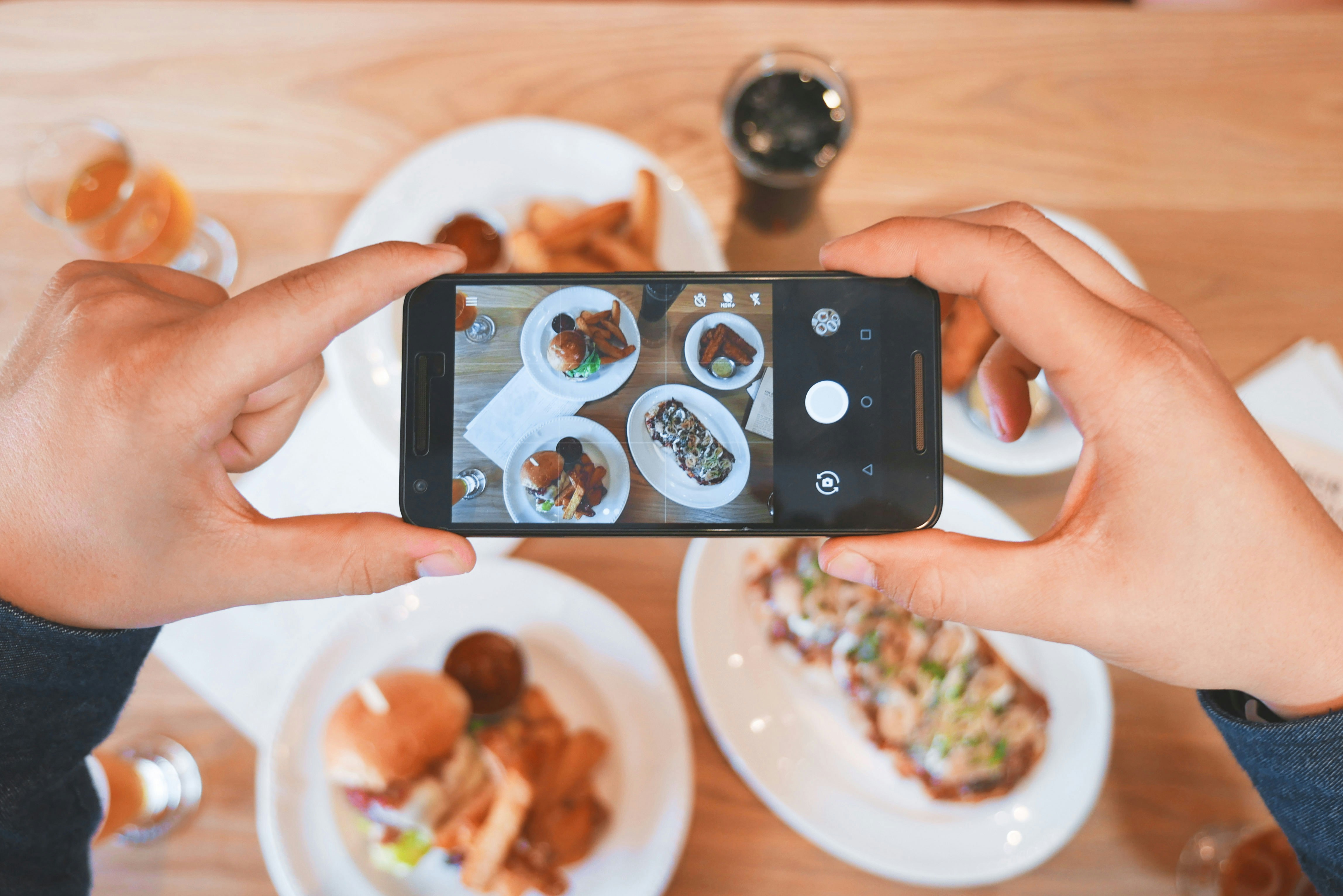
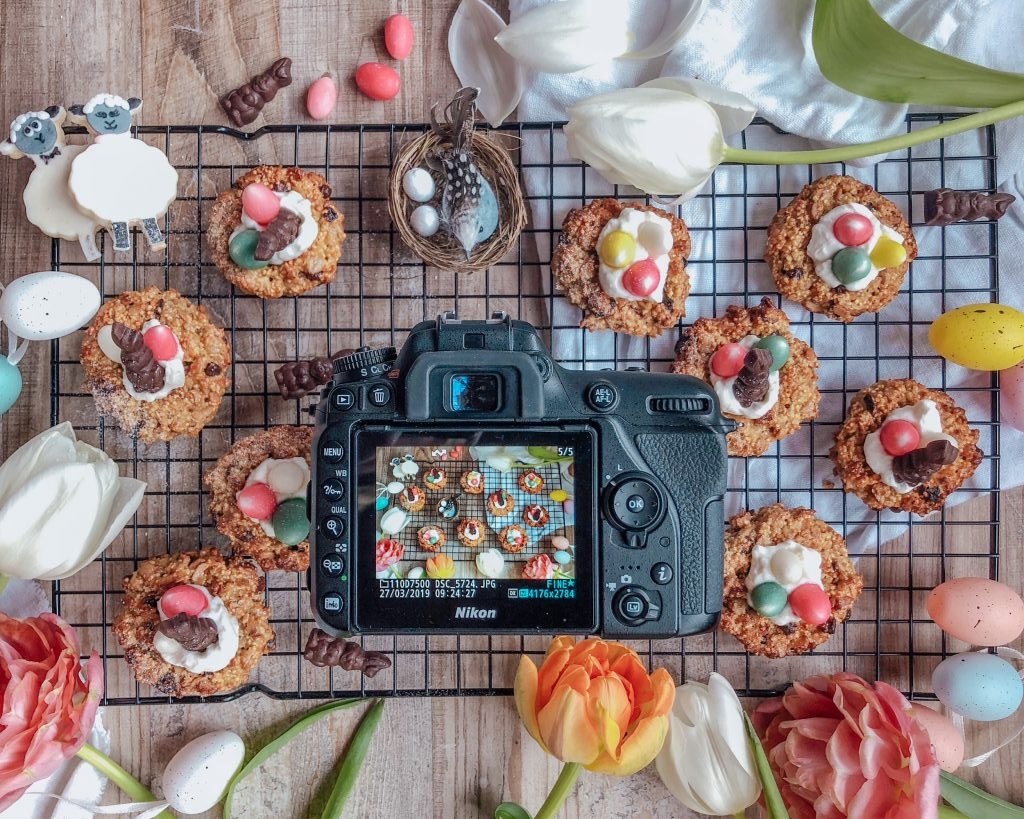
Camera: An entry-level DSLR or mirrorless camera gives you control over focus, exposure, and depth of field that a phone camera can't fully replicate, but it's genuinely optional starting out. Plenty of established bloggers started with a smartphone and upgraded once income justified it.

Editing: Adobe Lightroom is the industry standard for food photography editing, available as part of Adobe's Photography plan alongside Photoshop. For anyone not ready for a paid subscription, Lightroom Mobile's free tier and Canva both offer real editing capability, Canva in particular has become a genuine substitute for basic graphic work, recipe card thumbnails, and social image creation without a design background.

Batch shooting: This isn't a tool, it's a workflow habit worth adopting alongside whatever gear you use: shooting five to eight recipes in a single session keeps lighting and setup consistent and can generate a month's worth of content in one sitting.

The practical starting stack: a smartphone or entry-level DSLR, free Canva or Lightroom Mobile, and a consistent batch-shooting habit. Upgrade equipment and software as income from the blog justifies it, not before.

Recipe Display Tools

This is one of the most-researched tool categories among food bloggers, and for good reason: WordPress doesn't natively understand what a recipe is, doesn't output recipe schema, and doesn't optimize images for recipe use cases. Recipe card plugins exist specifically to fill that gap.

The major WordPress options, WP Recipe Maker, Tasty Recipes, and Feast, each solve this differently, with tradeoffs across cost, design flexibility, and setup complexity. If you're actively comparing them, that decision deserves its own deep dive rather than a summary here.

What's worth flagging at the category level: every one of these plugins exists to patch a gap in generic website infrastructure, and each one adds its own cost, plugin maintenance, and performance overhead on top of your hosting and theme. A platform built specifically for food content, where the recipe card, schema output, and image optimization are native rather than bolted on, sidesteps this category of tool entirely.

Skip the Plugin Stack Entirely

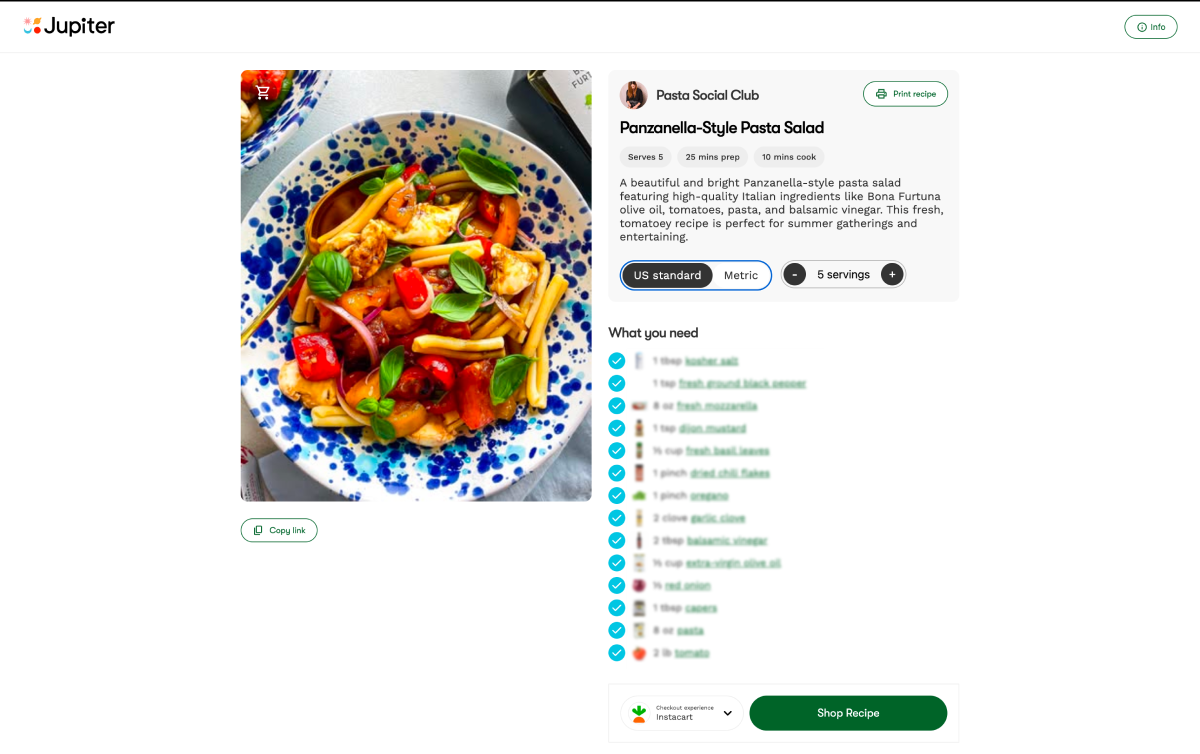
Jupiter's free branded recipe website has native recipe cards, built-in schema markup, and automatic image optimization, no plugin licenses, no compatibility checks, no separate speed optimization project.

Email Marketing Tools

Your email list is one of the few audiences you actually own, unaffected by algorithm changes on any platform. Kit (formerly ConvertKit) has become the most commonly recommended email tool among food bloggers specifically, largely because it was built with content creators in mind rather than retail as its primary use case. It offers a genuinely useful free tier for smaller lists, clean automation for welcome sequences and follow-ups, and forms designed to convert without heavy design work.

Mailchimp remains a familiar, longstanding option, though many bloggers who've used both describe Kit as faster to set up and better suited to a creator's actual workflow, rather than an ecommerce-first tool retrofitted for content.

Whichever tool you choose, the important part isn't the platform, it's starting. An engaged list of even a few thousand subscribers becomes valuable for newsletter sponsorships, digital product launches, and affiliate promotions well before your blog hits significant traffic.

SEO and Site Performance Tools

Yoast SEO remains a widely used free tool for on-page SEO basics: sitemaps, metadata control, and readability guidance that helps content actually get found.

WP Rocket and similar caching plugins address site speed, which matters both for reader experience and for search ranking, particularly for image-heavy food blog pages.

Akismet filters spam comments, a small but genuinely time-saving tool once a blog starts getting real traffic and, unfortunately, real spam.

Each of these plugins is solving a problem that exists because WordPress is general-purpose software being adapted for a specific, image-heavy, schema-dependent use case. That's not a criticism of the plugins, they're well-built for what they do, but it's worth naming the pattern: a food-specific platform with SEO fundamentals and speed optimization handled at the infrastructure level removes an entire layer of plugin selection and maintenance.

Social Scheduling and Growth Tools

Tailwind remains a commonly used scheduling tool for Pinterest, letting bloggers batch and space out pins rather than manually pinning throughout the day, which matters since consistent pinning cadence is a meaningful factor in Pinterest's algorithm.

Canva, again, does double duty here for creating on-brand social graphics, Pinterest pin designs, and Instagram Story templates without a separate design tool.

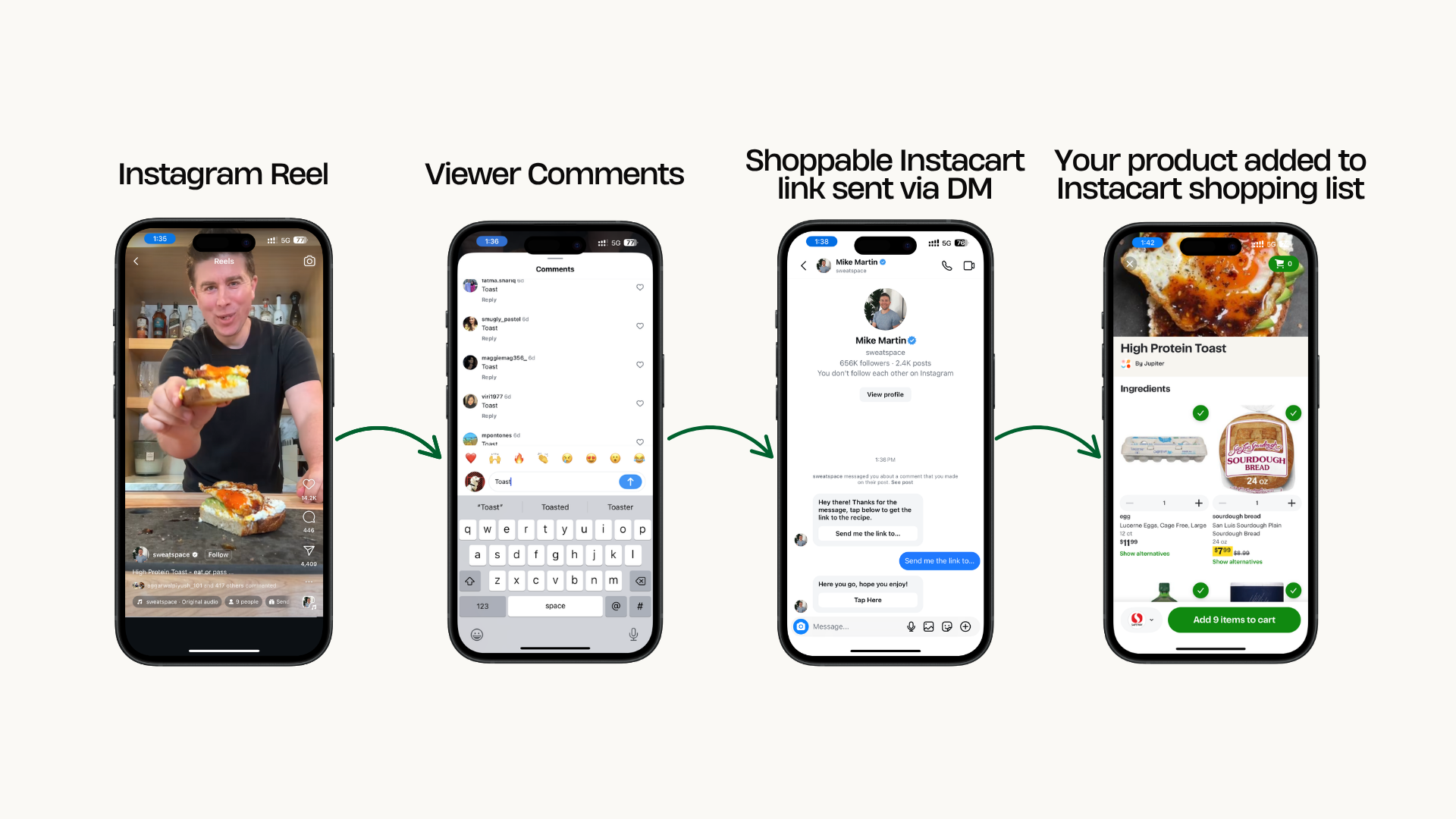
For Instagram specifically, comment-to-DM automation tools have become a near-necessity for food creators fielding "recipe please" comments at scale. This is a category where the built-versus-bought decision matters a lot: a dedicated automation tool is one more subscription and one more account to manage on top of everything else.

One Platform Instead of a Growing Subscription List

Jupiter replaces a recipe card plugin, a DM automation tool, a branded website builder, a brand deal platform, and Instacart affiliate setup, all free, all in one place.

Monetization and Brand Deal Tools

This is the category most beginner tool lists skip entirely, and it's arguably the most consequential one for actual income. A media kit template or generator helps present your numbers professionally to brands. A separate ad network dashboard (Mediavine, Raptive) tracks display ad performance once you qualify. And increasingly, brand deal marketplaces and creator networks exist specifically to connect food creators with CPG sponsors without cold-pitching each one individually.

The pattern across nearly every category on this list repeats here too: each tool solves one piece of the monetization puzzle, a media kit template, an ad network relationship, a brand deal connection, an affiliate setup, and a food blogger assembling all of them individually ends up managing several separate accounts, several separate learning curves, and in several cases, several separate subscription costs.

What a Consolidated Stack Actually Looks Like

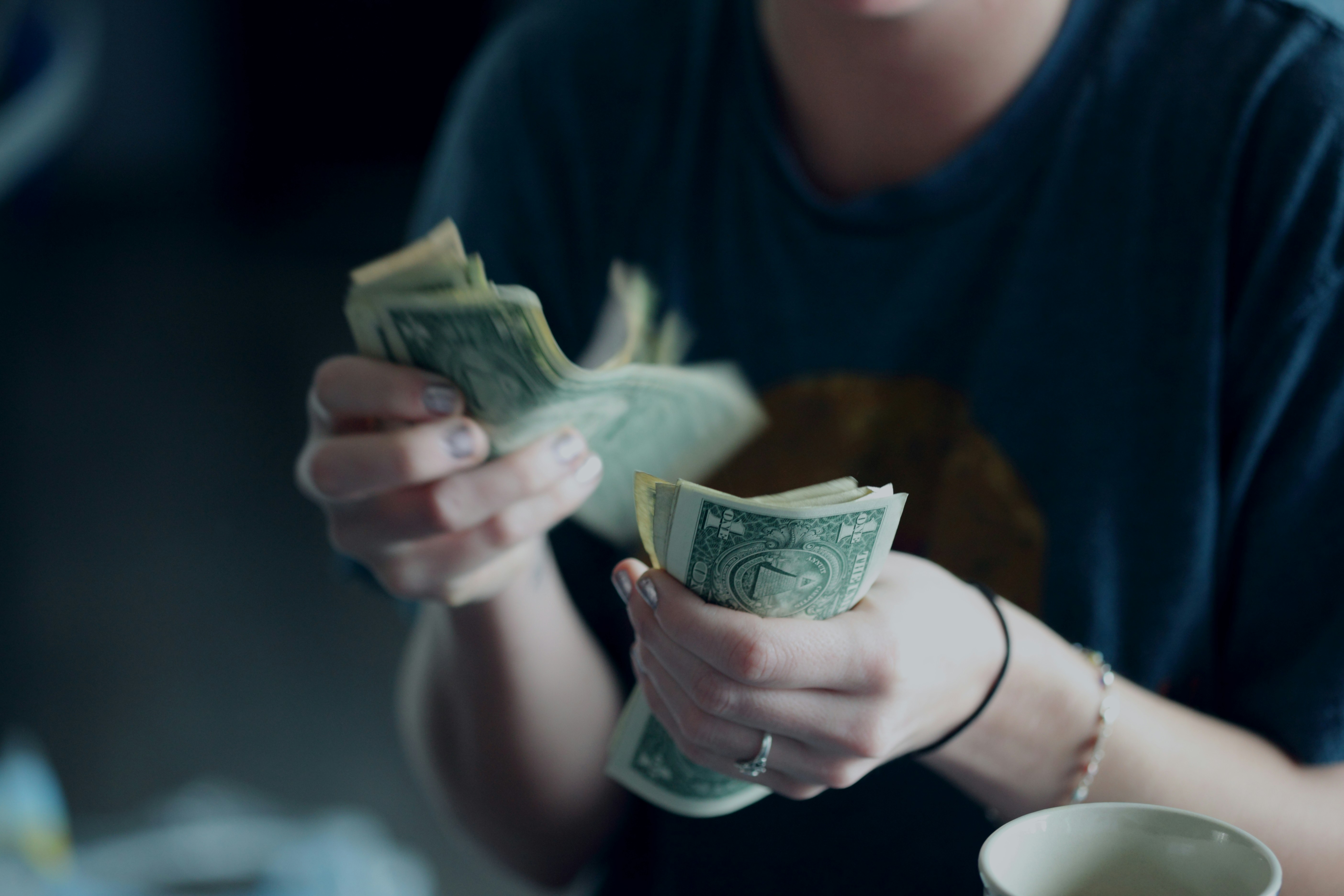
Add up a typical food blogger's paid tool stack and it's not small: a recipe card plugin (roughly $50 to $100+ a year), an email marketing platform (often free at first, but a real cost once your list grows past the free tier), a DM automation subscription, and potentially a separate brand deal or influencer marketplace tool. None of these costs are unreasonable individually. Collectively, they add up to real recurring spend before a new blogger has earned a dollar.

Jupiter's approach is to fold several of these categories, recipe website, DM automation, brand deal access, and Instacart affiliate setup, into one free platform rather than asking creators to assemble and pay for each piece separately. That doesn't mean every tool on this list becomes unnecessary. Photography and editing tools, for instance, are a separate category entirely. But for the tools that exist specifically to solve problems created by building a food blog on generic, general-purpose infrastructure, a purpose-built platform is worth evaluating before defaulting to a plugin-by-plugin approach.

Join 1,000+ Creators Running Their Blog on One Free Platform

Jupiter creators have earned $3M+ collectively using a stack that includes a free recipe website, built-in DM automation, 65+ CPG brand partners, and Instacart affiliate commerce, no separate subscriptions required.

FAQs

Quick answers to common questions.

What tools do food bloggers actually need to get started?+

At minimum: a way to shoot and edit photos (a smartphone and free Canva work fine to start), a way to display recipes properly, and an email list tool. Everything else, premium ad networks, brand deal platforms, advanced SEO tools, becomes relevant as the blog grows.

Do I need Adobe Lightroom for food photography, or is there a free alternative?+

Lightroom is the industry standard, but it's not required to start. Lightroom Mobile's free tier and Canva both offer meaningful editing capability for a new food blogger, and upgrading to a paid subscription makes more sense once the blog is generating income.

What's the best email marketing tool for food bloggers?+

Kit (formerly ConvertKit) is the most commonly recommended option among food bloggers specifically, largely because it's built for content creators rather than retail businesses, with a usable free tier for smaller lists.

Do I need a recipe card plugin if I'm not using WordPress?+

Recipe card plugins solve a WordPress-specific gap. Platforms built specifically for food content, including Jupiter's recipe website, often include native recipe cards and schema markup without requiring a separate plugin.

How does Jupiter reduce the number of tools a food blogger needs?+

Jupiter combines a free branded recipe website, built-in Instagram DM automation, access to 65+ CPG brand partners, and Instacart affiliate setup into one platform, replacing several individual tools and subscriptions that food bloggers commonly assemble separately.

Related Posts

Browse more from our blog.

How to Get Brand Deals as a Food Creator (Even with a Small Audience) thumbnail

How to Get Brand Deals as a Food Creator (Even with a Small Audience)

You don't need 100k followers to land paid brand partnerships. Here's the step-by-step playbook food creators are using in 2026 to get sponsored - from building a pitch-ready profile to closing deals with CPG brands that actually pay well.

6/12/2026

How Food Bloggers Make Money in 2026: Every Revenue Stream Explained thumbnail

How Food Bloggers Make Money in 2026: Every Revenue Stream Explained

From display ads to brand deals to Instacart commissions - here's an honest breakdown of every income stream available to food creators in 2026, and how the smartest ones are stacking all of them at once.

6/12/2026

The Creator Growth Playbook: How to Turn Your Audience Into a Sustainable Business thumbnail

The Creator Growth Playbook: How to Turn Your Audience Into a Sustainable Business

A practical, no-fluff guide for creators who want to grow beyond views and turn their audience into recurring revenue — using brand deals, ad networks, commerce, and owned channels.

4/27/2026

Instacart Affiliate for Food Creators: How to Earn from Every Recipe thumbnail

Instacart Affiliate for Food Creators: How to Earn from Every Recipe

How the Instacart affiliate program works for food creators, what it actually pays, and how to turn every recipe into a shoppable, commission-earning post.

7/21/2026

Real Food Blog Income Reports: What Creators Actually Earn in 2026 thumbnail

Real Food Blog Income Reports: What Creators Actually Earn in 2026

A data-driven look at real food blog income reports in 2026, from beginner earnings to six-figure creators, broken down by revenue source and traffic level.

7/21/2026

How to Build a Niche Food Blog That Actually Earns (Step by Step) thumbnail

How to Build a Niche Food Blog That Actually Earns (Step by Step)

A step-by-step guide to building a profitable niche food blog, whether you're vegan, gluten-free, plant-based, or focused on meal prep, from positioning to monetization.

7/15/2026

The Most Profitable Food Blog Niches in 2026 (Ranked by Earning Potential) thumbnail

The Most Profitable Food Blog Niches in 2026 (Ranked by Earning Potential)

A ranked look at the most profitable food blog niches in 2026, from keto to meal prep to budget cooking, based on ad RPM, brand deal availability, and affiliate potential.

7/8/2026

ManyChat for Food Bloggers: Is It Worth It in 2026? thumbnail

ManyChat for Food Bloggers: Is It Worth It in 2026?

A feature-for-feature look at ManyChat's 2026 pricing for food creators, what it actually costs once your Reels go viral, and how Jupiter's built-in DM automation compares for free.

7/8/2026

Pinterest SEO for Recipes: How to Rank Your Pins in 2026 thumbnail

Pinterest SEO for Recipes: How to Rank Your Pins in 2026

A technical guide to Pinterest SEO for food bloggers in 2026: keyword placement, Rich Pins setup, board structure, and the ranking signals that actually move recipe pins.

7/2/2026

How to Get Paid on TikTok as a Food Creator (Beyond the Creator Fund) thumbnail

How to Get Paid on TikTok as a Food Creator (Beyond the Creator Fund)

A reality check on TikTok's Creator Rewards Program, plus every other way food creators actually earn on TikTok: brand deals, TikTok Shop, LIVE gifts, and proper disclosure.

6/29/2026

Pinterest for Food Bloggers: How to Drive Massive Traffic to Your Blog thumbnail

Pinterest for Food Bloggers: How to Drive Massive Traffic to Your Blog

Learn how food bloggers use Pinterest to drive consistent, compounding traffic in 2026: board strategy, pin design, posting cadence, and turning pins into income.

6/29/2026

How to Start a Food TikTok Account and Get Your First 10K Followers thumbnail

How to Start a Food TikTok Account and Get Your First 10K Followers

A step-by-step beginner's guide to starting a food TikTok account in 2026, from setting up your profile to the content formats and posting habits that actually get new creators discovered.

6/24/2026

How to Grow Your Food Instagram Page: A Creator's Playbook thumbnail

How to Grow Your Food Instagram Page: A Creator's Playbook

A practical playbook for growing a food Instagram page in 2026, from Reels strategy to Stories and collabs, plus how to turn followers into blog traffic that actually pays.

6/23/2026

Instagram DM Automation for Food Creators: More Traffic, More Sales thumbnail

Instagram DM Automation for Food Creators: More Traffic, More Sales

How comment-to-DM automation works on Instagram, what Meta actually allows, and how food creators use it to turn recipe comments into blog traffic and sales.

6/22/2026

What is RPM and How Do Food Bloggers Maximize It? thumbnail

What is RPM and How Do Food Bloggers Maximize It?

RPM explained for food bloggers: what's a good Mediavine RPM, why it swings seasonally, and the real ways to increase it, plus the income that has no RPM ceiling.

6/22/2026

Mediavine Requirements in 2026: How to Qualify (and What to Do First) thumbnail

Mediavine Requirements in 2026: How to Qualify (and What to Do First)

Mediavine's 2026 requirements explained: the $5,000 revenue threshold, the Journey on-ramp at 1,000 sessions, the application steps, and what to do while you wait.

6/22/2026

Best Recipe Card Plugins for Food Bloggers: Ranked for 2026 thumbnail

Best Recipe Card Plugins for Food Bloggers: Ranked for 2026

Comparing the best recipe card plugins for WordPress in 2026: Tasty Recipes, WP Recipe Maker, Feast, and a free alternative. Find out which is right for your food blog.

6/18/2026

Recipe Schema Markup Explained: Get Rich Results for Your Food Blog thumbnail

Recipe Schema Markup Explained: Get Rich Results for Your Food Blog

Learn what recipe schema markup is, why it matters for food blog SEO, and how to implement it correctly to get rich results on Google without touching code.

6/18/2026

Food Blog SEO: How to Get Your Recipes to Rank on Google in 2026 thumbnail

Food Blog SEO: How to Get Your Recipes to Rank on Google in 2026

A complete guide to food blog SEO in 2026: keyword research, recipe schema, site speed, internal linking, and the technical foundations that get your recipes ranking on Google.

6/18/2026

How to Create a Food Blogger Media Kit (Free Template Inside) thumbnail

How to Create a Food Blogger Media Kit (Free Template Inside)

Learn exactly what to put in a food blogger media kit, grab a free template, and find out how to keep your numbers current so brands take you seriously from the first pitch.

6/17/2026

The Best Free Platforms to Start a Recipe Blog in 2026 thumbnail

The Best Free Platforms to Start a Recipe Blog in 2026

WordPress, Substack, Squarespace, Wix - there's no shortage of places to start a recipe blog. But free to start and free to grow are very different things. Here's how the major platforms actually stack up for food creators who want to make money from their content.

6/16/2026

How to Start a Food Blog in 2026 (That Actually Makes Money) thumbnail

How to Start a Food Blog in 2026 (That Actually Makes Money)

Most food blog guides tell you how to set up a website. This one tells you how to build a business. Here's exactly how to start a food blog in 2026 - from your first post to your first dollar - without wasting months on things that don't move the needle.

6/16/2026

How to Land CPG Brand Deals as a Food Creator thumbnail

How to Land CPG Brand Deals as a Food Creator

CPG brand partnerships are the most lucrative sponsorship category for food creators - but most brands aren't on Instagram DMs waiting for your pitch. Here's exactly how the deals actually happen, with real brand examples.

6/16/2026

Is Food Blogging Profitable? An Honest Answer for New Creators thumbnail

Is Food Blogging Profitable? An Honest Answer for New Creators

The honest answer is yes - but with important caveats most "success story" posts leave out. Here's what the profitability timeline actually looks like, what separates bloggers who earn from those who don't, and why the "it takes years" myth is only half true.

6/12/2026

How to Get Brand Deals as a Food Creator (Even with a Small Audience) thumbnail

How to Get Brand Deals as a Food Creator (Even with a Small Audience)

You don't need 100k followers to land paid brand partnerships. Here's the step-by-step playbook food creators are using in 2026 to get sponsored - from building a pitch-ready profile to closing deals with CPG brands that actually pay well.

6/12/2026

How Food Bloggers Make Money in 2026: Every Revenue Stream Explained thumbnail

How Food Bloggers Make Money in 2026: Every Revenue Stream Explained

From display ads to brand deals to Instacart commissions - here's an honest breakdown of every income stream available to food creators in 2026, and how the smartest ones are stacking all of them at once.

6/12/2026

The Creator Growth Playbook: How to Turn Your Audience Into a Sustainable Business thumbnail

The Creator Growth Playbook: How to Turn Your Audience Into a Sustainable Business

A practical, no-fluff guide for creators who want to grow beyond views and turn their audience into recurring revenue — using brand deals, ad networks, commerce, and owned channels.

4/27/2026

Instacart Affiliate for Food Creators: How to Earn from Every Recipe thumbnail

Instacart Affiliate for Food Creators: How to Earn from Every Recipe

How the Instacart affiliate program works for food creators, what it actually pays, and how to turn every recipe into a shoppable, commission-earning post.

7/21/2026

Real Food Blog Income Reports: What Creators Actually Earn in 2026 thumbnail

Real Food Blog Income Reports: What Creators Actually Earn in 2026

A data-driven look at real food blog income reports in 2026, from beginner earnings to six-figure creators, broken down by revenue source and traffic level.

7/21/2026

How to Build a Niche Food Blog That Actually Earns (Step by Step) thumbnail

How to Build a Niche Food Blog That Actually Earns (Step by Step)

A step-by-step guide to building a profitable niche food blog, whether you're vegan, gluten-free, plant-based, or focused on meal prep, from positioning to monetization.

7/15/2026