A brand sends you a brief, a budget, and a product they want featured in a recipe. That part is easy. What's harder is turning that brief into a post that a brand calls a success and that your readers still trust enough to come back for your next non-sponsored recipe. Those two goals aren't opposites, but a lot of sponsored recipe content fails because creators treat them like they are: either playing it so safe the post feels like an ad with a recipe attached, or going so light on the brand that the client never books a second campaign.
The creators who get repeat brand deals have figured out what CPG brands are actually measuring behind the scenes, and they build content that hits those numbers without losing the voice that got the brand interested in the first place.
What CPG Brands Actually Measure (It's Not Just Likes)
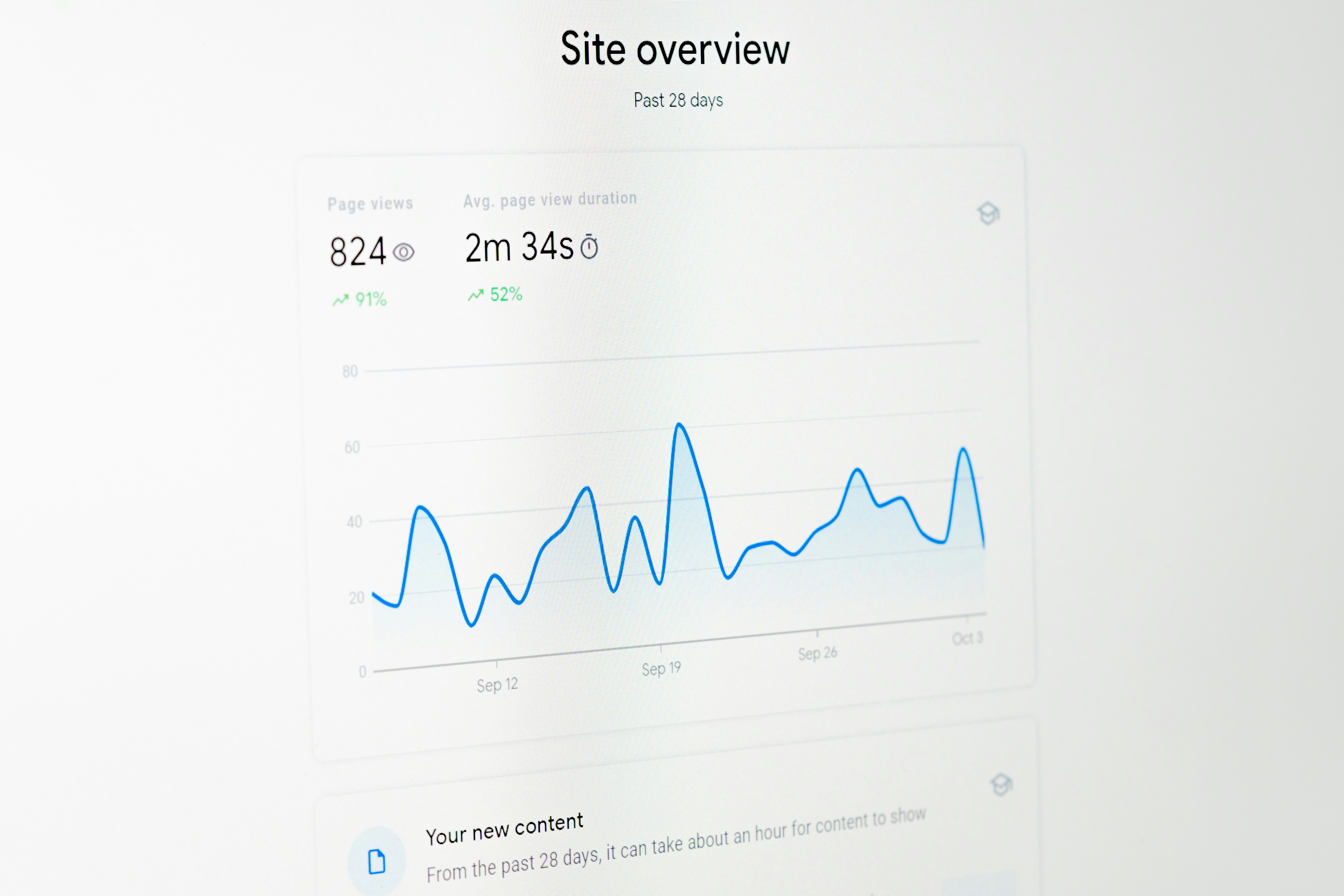
Follower count gets a creator noticed. It's rarely what gets a creator rebooked. Brands running food and beverage influencer programs are increasingly looking past surface-level engagement toward signals that connect more directly to purchase intent: impressions, engagement rate, cost-per-thousand, and, where a brand can get it, some form of retail lift tied back to a specific post.
Saves matter more than most creators realize. Recipe-format content tends to generate meaningfully higher save rates than posts that simply feature a product without a full recipe, and saves are a strong purchase-intent signal: someone who bookmarks your chickpea pasta recipe is more likely to go looking for that pasta at the store later. If you're negotiating a rate or pitching a brand cold, leading with your save rate on recipe content (not just your follower count) is a stronger opener than most creators use.
The other thing brands are watching, even if they don't say it outright in the brief, is whether your content gives them something reusable. A recipe video that only works as a one-off Reel is worth less to a brand than one they can repurpose across retail media, their own social channels, or a co-branded landing page. Sponsored content that's built with that second life in mind, clean shots of the product, a clear ingredient callout, footage that doesn't rely on trends that'll feel dated in a month, tends to get better terms on the next deal.
Build the Recipe Around the Brief, Not Around the Product Alone
A weak sponsored recipe post treats the product as decoration: it shows up in one shot, gets a mention in the caption, and otherwise plays no real role in the dish. A strong one makes the product do work the recipe couldn't do without it. If you're sponsored by a pasta brand, the product isn't just "featured," it's the reason the recipe comes together in fifteen minutes instead of forty. If it's a broth brand, the product is why the soup tastes like it simmered for hours when it didn't.
This isn't just better storytelling. It's what a brand's brief is usually actually asking for, even when the language is vague. When a brief calls out a "key message" or "product benefit to highlight," that's a request to build the recipe's core value proposition around what the product does, not just where it appears on screen.
A few practical habits that make the product do real work in the recipe:
Choose a recipe where the product solves a specific, relatable problem (speed, texture, a dietary restriction, pantry substitution) rather than one where it's interchangeable with any competitor.
Put the product in the ingredient list where a reader's eye naturally lands, not buried mid-paragraph.
Reference the product by name at least once in a way that sounds like you're talking to a friend, not reading off a script.
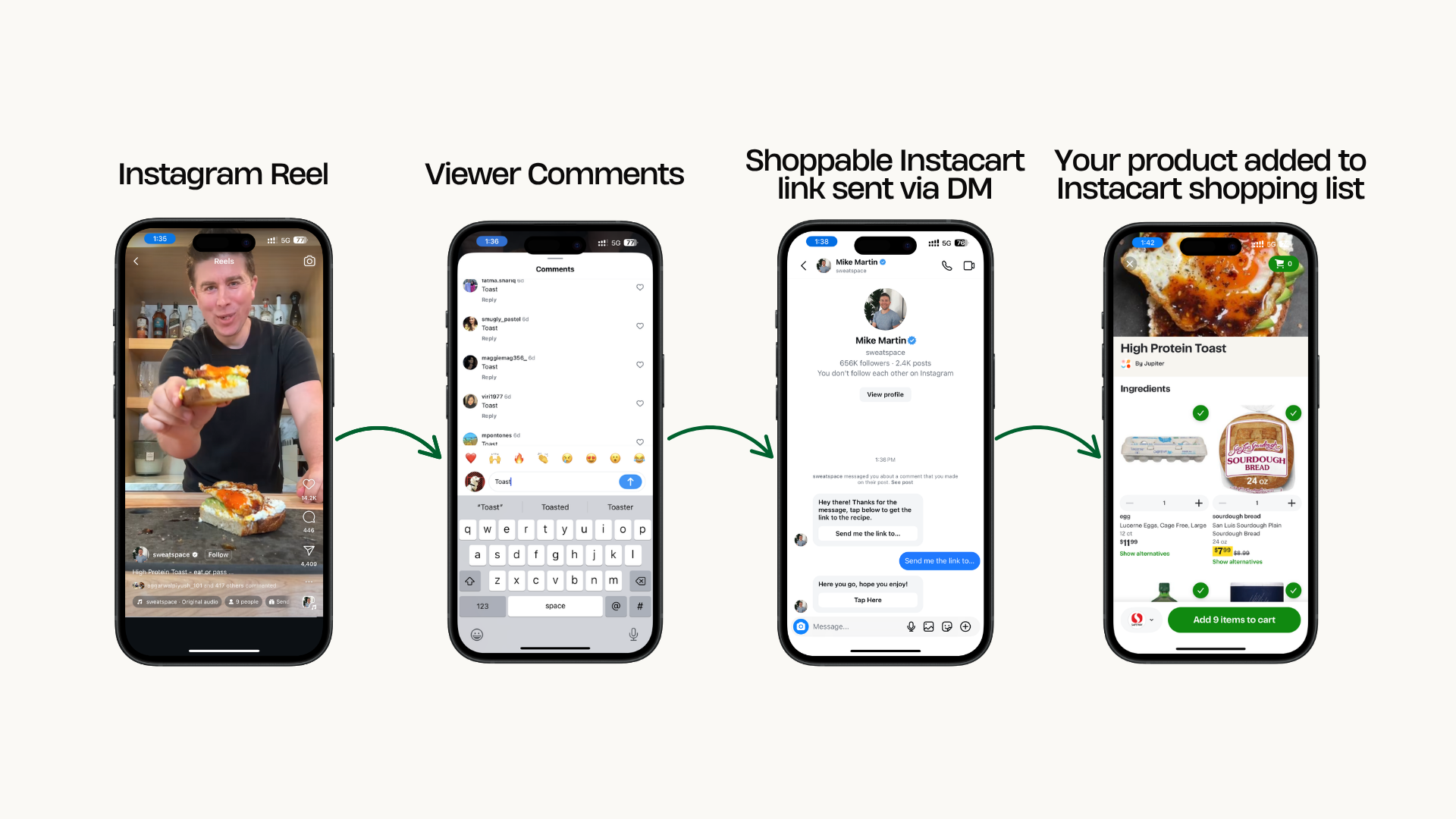
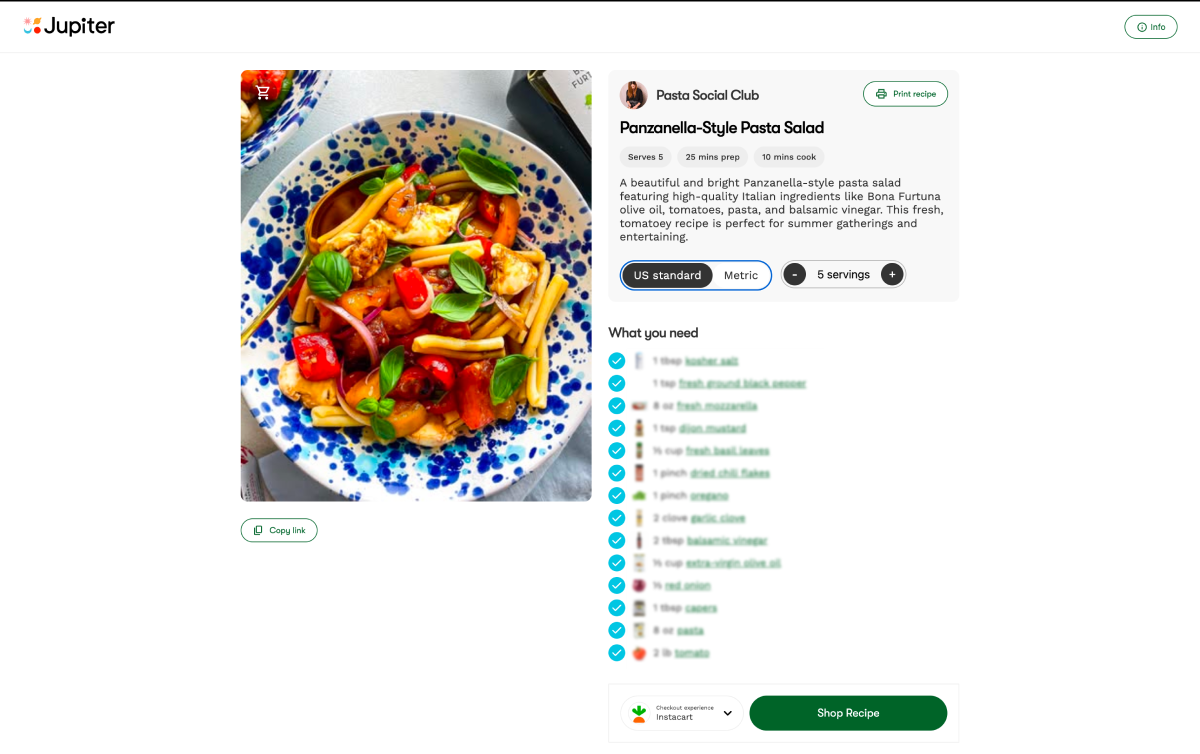
If the brand gives you retailer or purchase-path guidance (a specific store, an Instacart link, a QR code), treat that as a non-negotiable brief requirement, not an optional add-on. Retail attribution is often the metric a brand cares about most, even when it's not the loudest line in the brief.
Structuring the Post So It Converts for Readers Too
None of the above matters if readers bounce before they get to the recipe card. Sponsored posts have a trust tax: readers arrive slightly more skeptical than they would for organic content, and if the post doesn't earn their attention fast, they leave before the brand gets any value at all.
The posts that hold readers tend to follow a similar shape:
Open with the reader's problem, not the brand's message. Start with why someone is searching for this recipe (a weeknight dinner that needs to happen in twenty minutes, a potluck dish that travels well) before you introduce the product. If the brand appears in your first sentence, you've written an ad. If it appears in your third paragraph as the answer to a problem you've already made the reader feel, you've written a recipe.
Keep your disclosure clear and early, and don't let it derail the read. Disclosure isn't optional, and it shouldn't be treated as a footnote. But the mechanics of doing that well, where it goes, what language satisfies FTC requirements without sounding like legal boilerplate, are their own topic. If you haven't nailed down your disclosure approach yet, How to Write Sponsored Blog Posts Without Losing Reader Trust covers that in depth.
Let the recipe card do what recipe cards do. Don't dress up a sponsored recipe card differently than your organic ones. Readers who bookmark recipes are used to your format, and breaking it to add extra branding usually costs you more in trust than it gains you in brand visibility.
Close with a natural next step, not a hard sell. A single, low-pressure mention of where to find the product (a store locator link, an Instacart list) performs better than repeated calls to buy. Readers came for a recipe; let the product's usefulness in the dish do the persuading.
Common Mistakes That Get Creators Not Rebooked
Brands running recipe influencer programs at any scale are comparing creators against each other, even when they don't say so. A few patterns show up repeatedly in the posts that don't lead to a second deal:
Treating the brief as a checklist instead of a creative direction. Hitting every bullet point in a brief while ignoring its intent produces content that's technically compliant and forgettable. Briefs usually include a "why" behind each requirement; write toward that why.
Measuring your own success by likes instead of saves or click-throughs. If you're reporting back to a brand, saves, comments asking where to buy the product, and any link clicks you can track tell a better story than raw engagement.
Running the campaign in isolation. Brands increasingly expect some kind of report back, even informal, on what worked. Creators who send a quick recap (what performed, what didn't, what you'd do differently) stand out because most don't bother.
Inconsistent posting cadence for sponsored content. A brand that books you once and then sees no sponsored content from you for months has no read on whether the partnership is sustainable. A steady, realistic cadence signals you're a repeatable partner, not a one-off booking.
How Jupiter Fits Into This
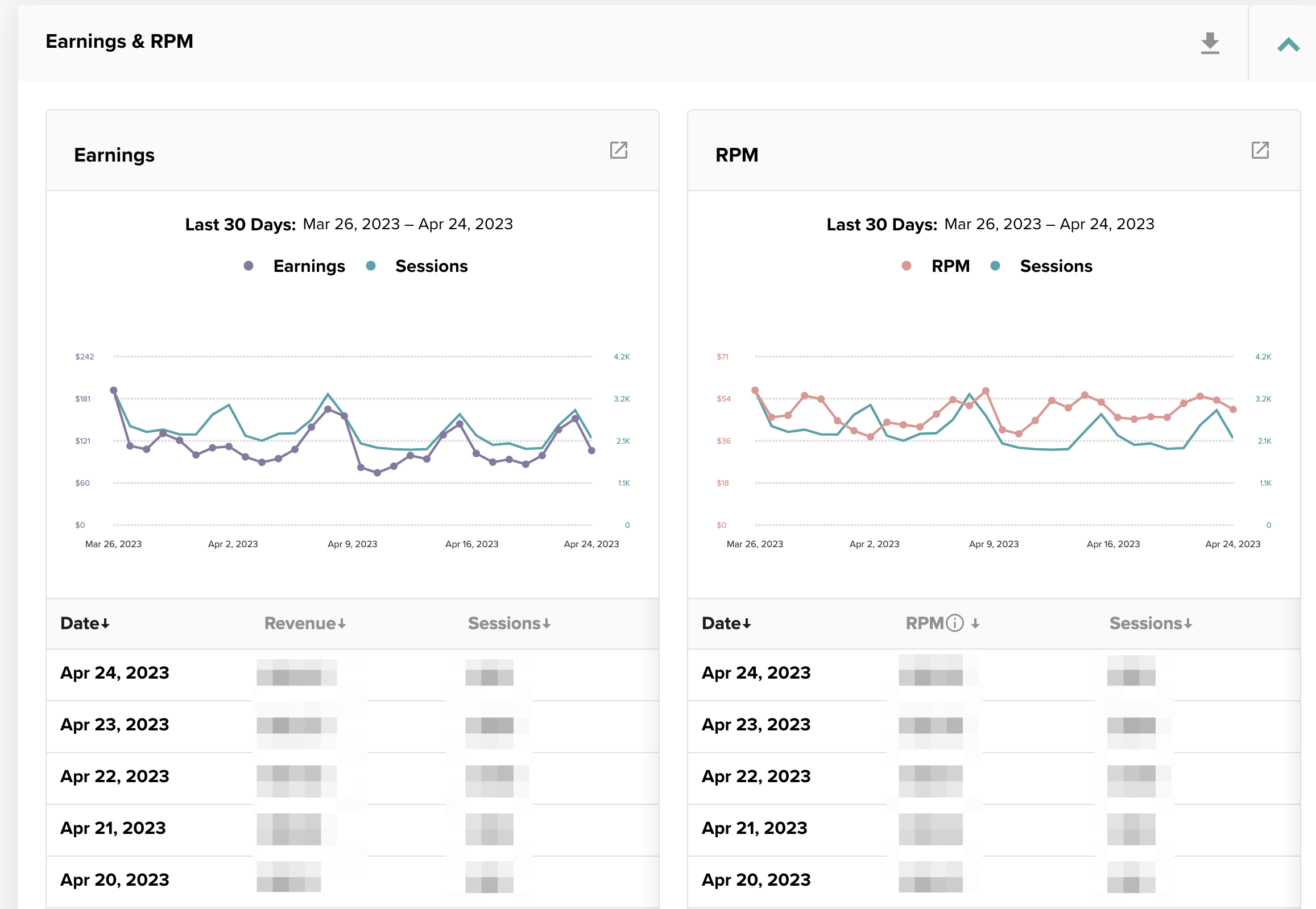
Landing sponsored recipe deals usually starts with getting in front of brands in the first place, and that's the part most food creators find hardest to solve on their own. Jupiter partners with 65+ CPG brands, including Banza, Pete and Gerry's, Bonafide Provisions, and General Mills, and connects creators directly with brand briefs instead of leaving them to cold-pitch or wait for a DM. Jupiter creators have earned $3M+ collectively across brand partnerships, ad revenue through Mediavine and Raptive, and Instacart affiliate commerce.
Get Matched With Brand Briefs, Not Cold Pitches
Jupiter connects food creators directly with 65+ CPG brands, so you're working from real briefs instead of guessing what a brand wants.
What a Good Brand Brief Actually Gives You
Not all briefs are created equal, and part of building sponsored content that converts is knowing what to ask for if the brand doesn't provide it upfront. A brief worth working from should tell you:
The specific product benefit or "key message" the brand wants the recipe to demonstrate
Any retailer or purchase-path requirements (a named store, an Instacart tie-in, a promo code)
Platform and format requirements (Reel length, recipe card format, whether a blog post is expected alongside social)
Brand voice guardrails: what to avoid, not just what to include
How the brand plans to measure success, so you can track toward the same numbers they are
If a brief is missing most of this, it's worth asking for it before you start shooting. Brands that can't answer these questions clearly often don't have a clear success metric in mind either, which makes it harder for you to prove your value when it's time to negotiate the next deal.
Turn One Sponsored Post Into a Repeat Partnership
Jupiter creators get access to brand briefs built for recipe content from day one, so there's less guesswork and more room to negotiate the next deal.
Pricing and Negotiating Sponsored Recipe Work
Rates for sponsored recipe content vary widely based on following size, platform, content format (a single Reel versus a Reel plus a full blog post with recipe card), usage rights, and exclusivity terms. If a brand wants to repurpose your content in their own ads or retail media, that's a separate negotiating point from a standard sponsored post, and it's reasonable to price it separately. For a deeper breakdown of how to think about your rates, see our guide on How Much to Charge for Food Brand Deals.
Sources on exact rate ranges vary considerably depending on niche and platform, so rather than asserting a single number here, it's worth benchmarking against creators of a similar size in your specific niche before you quote a brand.
Final Thought
The creators who keep getting rebooked for sponsored recipe content aren't the ones with the biggest following. They're the ones who treat the brief as a real creative problem, write for the reader first, and can show a brand exactly what their content actually did. That combination is learnable, and it compounds: every well-executed sponsored post makes the next brand conversation easier.
Ready to Work With Brands That Actually Brief Well?
Join 1,000+ food creators earning through Jupiter's network of 65+ CPG brand partners, ad networks, and Instacart commerce, all in one free platform.