Knowing that vegan, gluten-free, or meal-prep blogging can be profitable is one thing. Actually building one that earns is another. Most new niche food bloggers do the content part right and the positioning, structure, and monetization setup wrong, which is why so many niche blogs stay stuck at a few hundred dollars a month long after their content is genuinely good.
This is the step-by-step version: how to actually build a vegan, gluten-free, plant-based, healthy-eating, or meal-prep food blog that's structured to earn from the start, not just to publish good recipes.
Step 1: Narrow Your Niche Until It's Specific
"Vegan food blog" and "healthy food blog" are starting points, not niches. Each one still describes an enormous, crowded category. The bloggers who earn fastest inside these spaces go a layer deeper before they publish their first post.
Instead of vegan, try: vegan meal prep for beginners, vegan baking without substitutes people can't find, 30-minute vegan dinners for families. Instead of healthy, try: high-protein recipes for a specific life stage, gut-health-focused breakfasts, anti-inflammatory comfort food. Instead of gluten-free, try: gluten-free baking for people who miss real bread texture, gluten-free meal prep, gluten-free recipes for a specific cuisine.
The test for a good niche layer: could you say it in one sentence, and would that sentence tell a reader exactly what problem you solve for them? If yes, you have something you can actually rank for and brand yourself around. If your answer is still "food for X diet," narrow it one more level before you start.
Step 2: Set Up Monetization Infrastructure Before You Need It
This is the step most beginner guides put last, and it's the biggest reason niche blogs leave money on the table for months. Monetization shouldn't wait until you have traffic. It should be built into your first post.
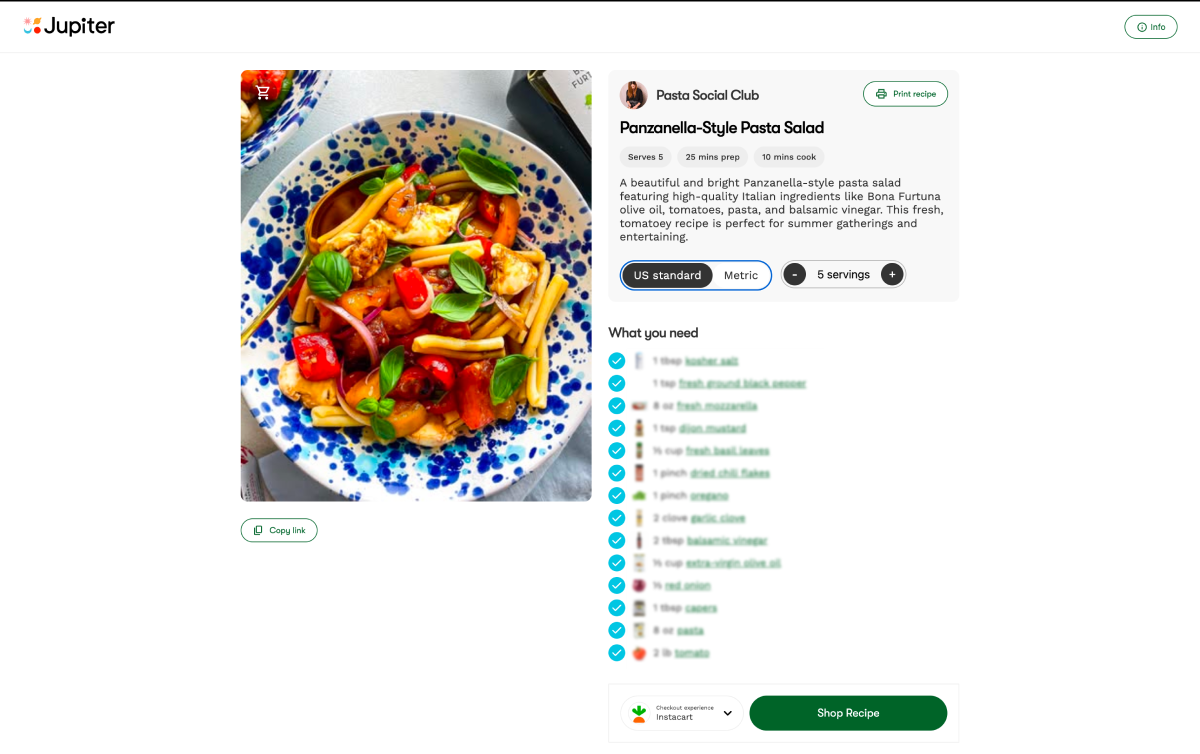
Affiliate links from day one. Every recipe is a natural affiliate opportunity: specialty ingredients, kitchen tools, cookbooks. A vegan blog can link protein powders and dairy alternatives; a gluten-free blog can link specialty flours and dedicated baking equipment; a meal-prep blog can link containers and batch-cooking tools. None of this requires traffic to set up, only requires you to do it consistently from post one.
A branded recipe website, not just a social account. Your Instagram or TikTok following is rented attention. A blog you own is where SEO traffic compounds over time and where ad networks, affiliate links, and brand landing pages actually live. Niche creators sometimes delay building a real website because social growth feels faster, but it's the website that becomes the long-term asset.
An email list from the start. Your niche audience is exactly the kind of engaged, specific readership that email monetizes well, through digital products, affiliate promotions, and eventually sponsored newsletter placements. Starting the list on day one means it's already valuable by the time you have real traffic.
A plan for brand deals, not a "someday" idea. This is where niche specificity pays off directly. A vegan, gluten-free, or meal-prep audience is exactly what CPG brands making products in those categories are looking for. Waiting until you have "enough traffic" to pursue brand deals means leaving early income on the table, since brand sponsorships don't have the traffic minimums that premium ad networks do.
Your Niche Is Exactly What Brands Are Looking For
Jupiter matches creators to CPG brands actively seeking their specific niche audience, not a generic food creator. Whether you're vegan, gluten-free, plant-based, or meal-prep focused, Jupiter's 65+ brand partners include names built for these exact audiences.
Step 3: Build Content Around Your Reader's Actual Problem, Not Just Recipes
A niche blog earns by being the clear answer to a specific problem, not by being a recipe archive. That distinction changes how you plan content.
Build content in clusters, not one-offs. If your niche is gluten-free baking, don't just post individual recipes. Build out the supporting content around them: ingredient substitution guides, "why did my gluten-free bread not rise" troubleshooting posts, a base recipe with linked variations. This is what turns a single visitor into someone who explores five pages instead of one, which matters for both ad revenue and email signups.
Write for the specific reader you defined in Step 1. A "30-minute vegan dinners for families" blog should read differently than a "vegan baking for advanced home cooks" blog, even if both are technically vegan blogs. The reader's actual life circumstance, time-pressured parent versus hobbyist baker, should shape your tone, recipe complexity, and even photography style.
Publish consistently enough to build topical authority. Search engines reward sites that comprehensively cover a topic area over time. Two to four well-targeted recipes a week, each supporting your niche's core problem, builds authority faster than sporadic posting across unrelated topics.
Don't abandon the niche once you have some traffic. It's tempting to broaden out once a niche blog starts earning, since it feels like more topics means more traffic. In practice, this is often where niche blogs lose the focused authority that made them rank well in the first place. Expansion can work later, but it should be deliberate, not a drift away from what's actually working.
Step 4: Layer Your Income Streams as You Grow
Niche food blogs that earn well rarely rely on a single income source. Here's the realistic order most niche creators build in:
Early stage (0 to a few thousand monthly visitors): Affiliate links and brand deals are your primary income here, since neither requires a traffic minimum. This is also the stage to apply to a brand network rather than cold-pitching individual CPG companies one at a time, since a niche audience, even a small one, is often exactly what a brand is looking to reach.
Growth stage (tens of thousands of monthly visitors): This is typically where premium ad networks become available, since networks like Mediavine and Raptive have session minimums to qualify. Display ad income compounds meaningfully once you clear that threshold, and niche content tends to command solid advertiser rates because of how engaged and specific the audience is.
Established stage: Digital products (meal plans, ebooks, cooking courses) and recurring brand partnerships become realistic once you have an established, trusting audience. A gluten-free or vegan meal plan, for example, converts especially well to an audience that's been reading your recipes for months, because you've already proven you understand their specific constraints.
The mistake to avoid: waiting for the growth stage to start any of this. Every one of these income streams can start earlier than most new bloggers assume, especially brand deals and affiliate income.
Start Earning Before You Hit a Traffic Threshold
Brand deals and affiliate income don't require 50,000 monthly sessions. Jupiter connects niche creators with relevant CPG brands from day one, plus a free branded recipe website to build your SEO foundation.
Step 5: Use Your Niche as Your Brand, Not Just Your Content Topic
The creators who earn the most in a specific niche tend to treat that niche as their actual brand identity, not just a content category. That shows up in small but important ways: a consistent visual style that signals the niche at a glance, a bio and About page that speaks directly to the specific reader you're serving, and messaging that reinforces your specific expertise rather than generic food-blogger positioning.
This matters commercially too. When a CPG brand is evaluating creators for a campaign, a blogger who is clearly and consistently the gluten-free baking person, or the vegan meal-prep person, is an easier, lower-risk choice than a general food blogger who happens to post gluten-free content occasionally. Niche clarity is what makes a brand's targeting decision simple.