Pinterest SEO for Recipes: How to Rank Your Pins in 2026

A technical guide to Pinterest SEO for food bloggers in 2026: keyword placement, Rich Pins setup, board structure, and the ranking signals that actually move recipe pins.

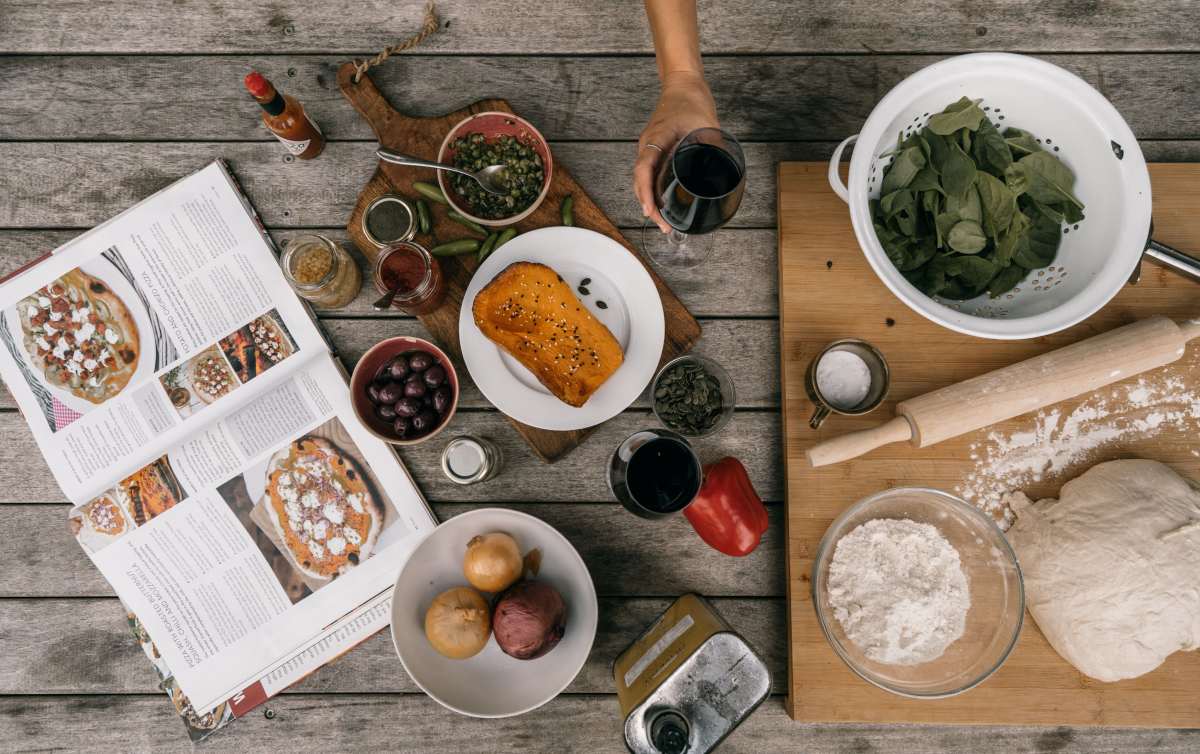
Pinterest SEO for Recipes: How to Rank Your Pins in 2026 hero image

On this page

If you've already read our guide to Pinterest for Food Bloggers and set up your profile and boards, this post is the next layer: the specific technical and on-page factors that determine whether your recipe pins actually rank in Pinterest search. Pinterest works less like a social feed and more like a visual search engine, and recipe content in particular has its own ranking mechanics worth understanding in detail.

1. Pinterest Is a Search Engine, Not a Feed

Before getting into tactics, it's worth resetting how you think about the platform. Pinterest's own data shows that the large majority of top searches are unbranded, meaning people are searching for a type of dish or technique, not a specific creator or blog. That's good news for smaller accounts: follower count barely matters on Pinterest, since search optimization is the primary driver of visibility.

What does matter is a combination of signals working together. Pinterest evaluates how well your title, description, board category, and even the text on your image align with what a user is searching for or interested in, and it layers in image recognition to understand what's visually inside the pin. In practice, that means your keyword strategy and your image design aren't separate tasks. They're the same task, evaluated together.

Building a recipe blog Pinterest can actually recommend?

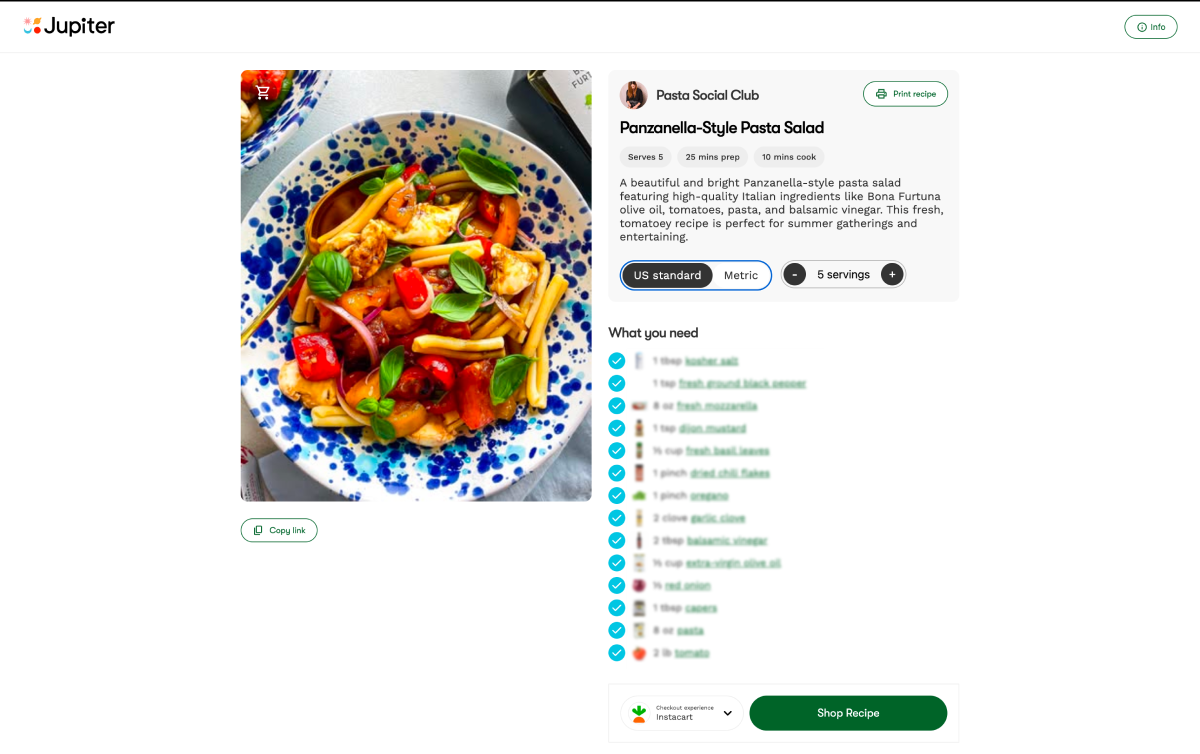
A free Jupiter recipe site comes with clean, fast-loading recipe pages built for search, so every pin you create points to a landing page that reinforces the click instead of undercutting it.

2. Keyword Research: Start Inside Pinterest, Not Outside It

Skip generic keyword tools for this step. Pinterest's own search bar and guided search are the most direct source of the phrases people actually type. Type a broad term like "chicken dinner" and watch the autocomplete suggestions and the related pill-shaped terms that appear underneath the results. These reflect real, current search behavior on the platform, not estimated volume from a third-party tool.

The pattern that keeps showing up across current guidance is a preference for specificity. Targeting a keyword that's too broad, like "recipes," puts a new pin against millions of established pins, while a more specific phrase like "high protein breakfast meal prep" targets a narrower audience and gives a smaller account a real chance of ranking. For a recipe blog, that usually means combining the dish with a modifier: dietary need, cook time, season, occasion, or equipment. "Dinner" loses to "30-minute one-pan chicken dinner."

Once you have a keyword, use it consistently. If your pin says one thing, your board says another, and your description uses a third phrase, Pinterest can't confidently place the content in one category. When the language lines up across all three, reach tends to improve noticeably.

3. Where Keywords Actually Belong

Pinterest reads your account at three levels, and each one needs its own keyword pass.

Profile: Your display name and bio should state your niche in plain language. A name like "Sara | Weeknight Dinners" tells Pinterest (and a human scanning search results) exactly what to expect before they open a single pin.

Boards: Board titles and descriptions carry more ranking weight than most food bloggers assume. A board named "Food Ideas" is too vague, while "Healthy Dinner Recipes" is specific enough for Pinterest to categorize confidently, and a short board description reinforces that further. If your account still has a catch-all "Recipes" board, splitting it into narrower, keyword-specific boards is one of the highest-leverage changes you can make.

Pins: This is where most of the SEO work happens.

  • Title: Lead with the primary keyword in the first 40 characters, since that's what survives truncation in the feed, and phrase it as a promise worth clicking rather than a flat label.

  • Description: Two to four sentences, keyword near the start, natural variations worked in rather than repeated. Keyword stuffing reads as spam to both users and the algorithm.

  • Text overlay: Pinterest reads the text on your image, so a clear, keyword-bearing headline on the graphic reinforces relevance and earns the click.

  • Alt text: Don't leave this blank. Current guidance treats it as a meaningful ranking input as well as an accessibility feature, so describe the dish plainly and include the keyword.

4. Pin Design for Search, Not Just Style

Design and SEO overlap more on Pinterest than on almost any other platform, because the algorithm is partly reading your image.

Stick to the standard vertical format, 2:3 ratio (1000×1500px). Vertical pins take up more space in the feed, are easier to read on mobile, and consistently outperform square or horizontal formats. Show the finished dish clearly, since Pinterest actively analyzes the image itself, and a recipe pin performs better when it shows the finished result rather than a process shot alone.

Create multiple pin designs per recipe rather than a single image. Different visuals targeting the same keyword cluster, published over time, give you more surface area in search without diluting relevance, and let you test which composition earns more saves.

Turn Pinterest saves into brand income

Once a Pinterest search brings a reader to your site, Jupiter connects you with 65+ CPG brands (Banza, Pete and Gerry's, Bonafide Provisions, General Mills, and more), premium ad networks, and Instacart affiliate commerce, so that traffic actually converts to revenue.

5. Rich Pins: The Technical Layer Most Bloggers Skip

Recipe Rich Pins are one of the most underused SEO levers available to food creators, largely because the setup has historically involved schema markup, meta tags, and a validation step that feels more technical than it needs to be.

Here's what they actually do. Recipe Rich Pins automatically sync information from your site directly onto the pin: title, serving size, cook time, ratings, diet preference, and a list of ingredients. If you edit the recipe on your site, the rich pin updates automatically to reflect the change, so you're not maintaining two versions of the same content.

The SEO case for enabling them is straightforward: they give Pinterest more structured, machine-readable context about your page, which reinforces relevance signals. Article and Recipe Rich Pins pull additional metadata from your site and display it directly on the pin, making it more informative, more professional, and more likely to earn a click. There's also a real case for reader experience: seeing the ingredient list up front helps a searcher decide, before clicking, whether they actually have what the recipe needs on hand, which tends to produce a more qualified click rather than a bounce.

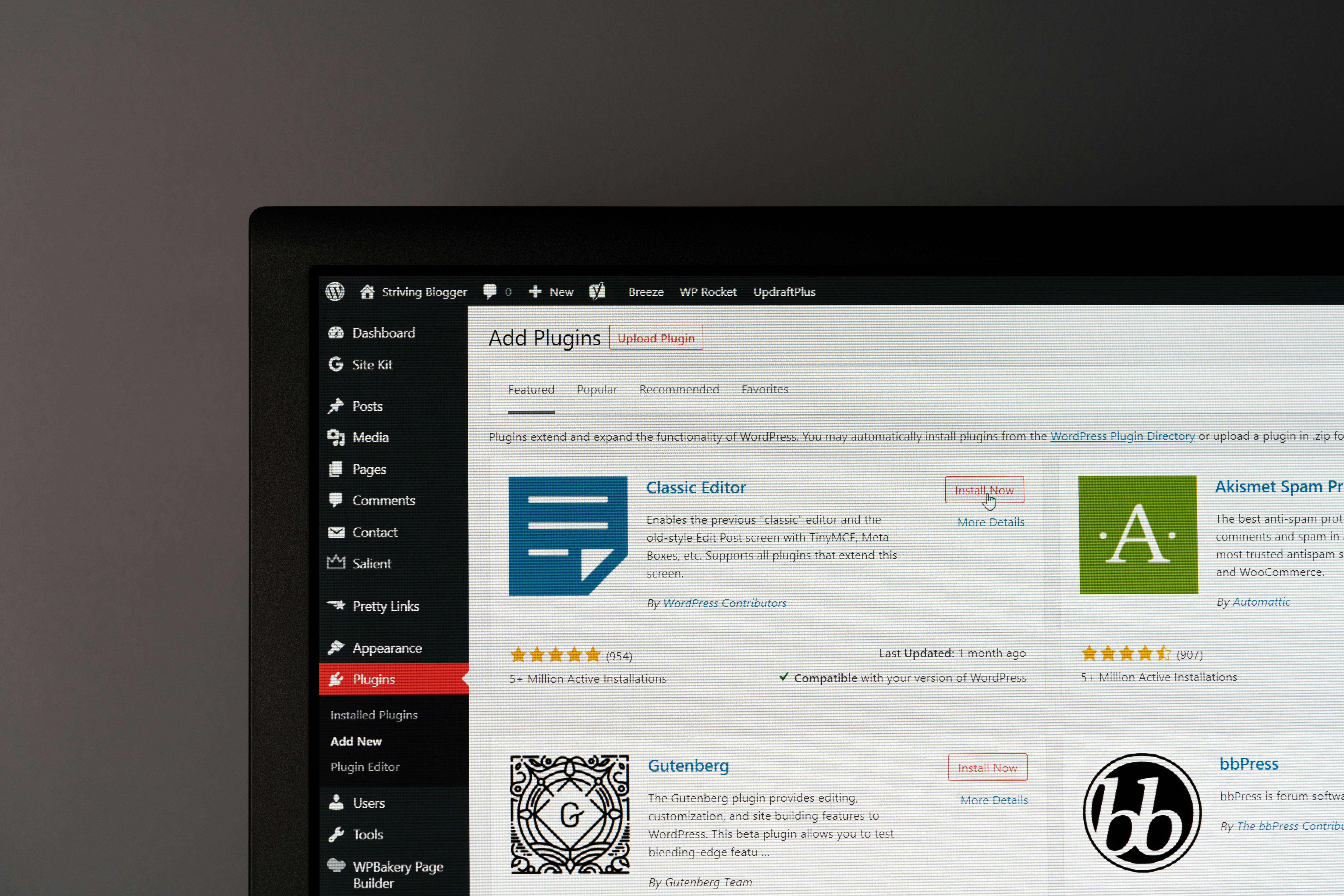
How the technical setup traditionally works, for context: you need a Pinterest business account, your site connected to Pinterest, and Open Graph or Schema.org metadata added to the site, typically through a recipe card plugin if you're on WordPress. Note that the standalone Rich Pins Validator tool that used to be required for every new domain has largely been phased out; Pinterest no longer requires manual validation the way it once did, since properly tagged pages are picked up automatically once the metadata is in place.

This is exactly the layer where most bloggers either get stuck or quietly skip the feature altogether, which is a missed opportunity given how much ranking value it adds for very little ongoing effort. Jupiter's free recipe websites ship with Rich Pins markup built in, so recipe schema and Open Graph tags are already correctly structured the moment a post publishes. There's no plugin to configure and no metadata to troubleshoot; every recipe on a Jupiter site is Rich-Pin-ready by default.

6. Posting Cadence and Tools

Pinterest still rewards a steady drip of fresh content over sporadic bursts. Because Pinterest content is evergreen, pins continue to surface in search as users engage with and collect them over time, so consistency compounds rather than resets each week the way it does on faster-moving platforms.

Scheduling tools like Tailwind remain the standard way food bloggers manage this without pinning manually every day. Tailwind lets you batch-create pins, queue them across boards on a set cadence, and track which designs and keywords are earning saves, which is useful data for refining titles and descriptions over time. It isn't required. Pinterest's own scheduler covers the basics. But for bloggers publishing multiple pin variations per recipe across several boards, a dedicated tool saves meaningful time.

A reasonable starting cadence for a smaller account is a handful of pins per day, split between brand-new content and re-pinned or refreshed older content. Refreshing an older pin's description or creating a new image for an existing recipe is a legitimate way to re-enter search rankings without writing a new blog post.

Stop troubleshooting plugins. Start pinning.

Jupiter's recipe websites are free, SEO-optimized, and Rich-Pins-ready from day one, so your Pinterest strategy has a landing page that's already doing its part.

FAQs

Quick answers to common questions.

Do I need a Pinterest Business account to use Rich Pins?+

Yes. A Pinterest business account is the first requirement for enabling Rich Pins, and it's also free to convert an existing personal account.

Does follower count affect how well my recipe pins rank?+

Not much. Search optimization is the primary driver of visibility on Pinterest, and follower count barely matters compared to keyword relevance and engagement signals like saves.

Do hashtags help recipe pins rank in Pinterest search?+

Not meaningfully. Pinterest has deprioritized hashtags for years, and keyword-rich titles, descriptions, and board names carry the ranking weight instead.

How long does it take for Rich Pins to show up after I enable them?+

Once your site's metadata is correctly set up, Pinterest typically begins pulling and displaying the additional details within about a day, though it can occasionally take longer for a full sync across older pins.

Should I turn off Recipe Rich Pins to force more clicks to my site?+

Some bloggers try this, but it tends to backfire. Hiding the ingredient list up front usually increases bounce rate, since readers who click through and realize they're missing key ingredients leave immediately, which is a worse signal to both Pinterest and Google than a slightly lower raw click count.

What's the single highest-leverage Pinterest SEO fix for a new food blog?+

Narrowing board names and pin keywords from broad categories to specific, intent-rich phrases. A phrase like "high protein breakfast meal prep" gives a newer account a real chance at ranking in a way that a broad term like "recipes" never will.

Related Posts

Browse more from our blog.

How to Get Brand Deals as a Food Creator (Even with a Small Audience) thumbnail

How to Get Brand Deals as a Food Creator (Even with a Small Audience)

You don't need 100k followers to land paid brand partnerships. Here's the step-by-step playbook food creators are using in 2026 to get sponsored - from building a pitch-ready profile to closing deals with CPG brands that actually pay well.

6/12/2026

How Food Bloggers Make Money in 2026: Every Revenue Stream Explained thumbnail

How Food Bloggers Make Money in 2026: Every Revenue Stream Explained

From display ads to brand deals to Instacart commissions - here's an honest breakdown of every income stream available to food creators in 2026, and how the smartest ones are stacking all of them at once.

6/12/2026

The Creator Growth Playbook: How to Turn Your Audience Into a Sustainable Business thumbnail

The Creator Growth Playbook: How to Turn Your Audience Into a Sustainable Business

A practical, no-fluff guide for creators who want to grow beyond views and turn their audience into recurring revenue — using brand deals, ad networks, commerce, and owned channels.

4/27/2026

The Most Profitable Food Blog Niches in 2026 (Ranked by Earning Potential) thumbnail

The Most Profitable Food Blog Niches in 2026 (Ranked by Earning Potential)

A ranked look at the most profitable food blog niches in 2026, from keto to meal prep to budget cooking, based on ad RPM, brand deal availability, and affiliate potential.

7/8/2026

ManyChat for Food Bloggers: Is It Worth It in 2026? thumbnail

ManyChat for Food Bloggers: Is It Worth It in 2026?

A feature-for-feature look at ManyChat's 2026 pricing for food creators, what it actually costs once your Reels go viral, and how Jupiter's built-in DM automation compares for free.

7/8/2026

How to Get Paid on TikTok as a Food Creator (Beyond the Creator Fund) thumbnail

How to Get Paid on TikTok as a Food Creator (Beyond the Creator Fund)

A reality check on TikTok's Creator Rewards Program, plus every other way food creators actually earn on TikTok: brand deals, TikTok Shop, LIVE gifts, and proper disclosure.

6/29/2026

Pinterest for Food Bloggers: How to Drive Massive Traffic to Your Blog thumbnail

Pinterest for Food Bloggers: How to Drive Massive Traffic to Your Blog

Learn how food bloggers use Pinterest to drive consistent, compounding traffic in 2026: board strategy, pin design, posting cadence, and turning pins into income.

6/29/2026

How to Start a Food TikTok Account and Get Your First 10K Followers thumbnail

How to Start a Food TikTok Account and Get Your First 10K Followers

A step-by-step beginner's guide to starting a food TikTok account in 2026, from setting up your profile to the content formats and posting habits that actually get new creators discovered.

6/24/2026

How to Grow Your Food Instagram Page: A Creator's Playbook thumbnail

How to Grow Your Food Instagram Page: A Creator's Playbook

A practical playbook for growing a food Instagram page in 2026, from Reels strategy to Stories and collabs, plus how to turn followers into blog traffic that actually pays.

6/23/2026

Instagram DM Automation for Food Creators: More Traffic, More Sales thumbnail

Instagram DM Automation for Food Creators: More Traffic, More Sales

How comment-to-DM automation works on Instagram, what Meta actually allows, and how food creators use it to turn recipe comments into blog traffic and sales.

6/22/2026

What is RPM and How Do Food Bloggers Maximize It? thumbnail

What is RPM and How Do Food Bloggers Maximize It?

RPM explained for food bloggers: what's a good Mediavine RPM, why it swings seasonally, and the real ways to increase it, plus the income that has no RPM ceiling.

6/22/2026

Mediavine Requirements in 2026: How to Qualify (and What to Do First) thumbnail

Mediavine Requirements in 2026: How to Qualify (and What to Do First)

Mediavine's 2026 requirements explained: the $5,000 revenue threshold, the Journey on-ramp at 1,000 sessions, the application steps, and what to do while you wait.

6/22/2026

Best Recipe Card Plugins for Food Bloggers: Ranked for 2026 thumbnail

Best Recipe Card Plugins for Food Bloggers: Ranked for 2026

Comparing the best recipe card plugins for WordPress in 2026: Tasty Recipes, WP Recipe Maker, Feast, and a free alternative. Find out which is right for your food blog.

6/18/2026

Recipe Schema Markup Explained: Get Rich Results for Your Food Blog thumbnail

Recipe Schema Markup Explained: Get Rich Results for Your Food Blog

Learn what recipe schema markup is, why it matters for food blog SEO, and how to implement it correctly to get rich results on Google without touching code.

6/18/2026

Food Blog SEO: How to Get Your Recipes to Rank on Google in 2026 thumbnail

Food Blog SEO: How to Get Your Recipes to Rank on Google in 2026

A complete guide to food blog SEO in 2026: keyword research, recipe schema, site speed, internal linking, and the technical foundations that get your recipes ranking on Google.

6/18/2026

How to Create a Food Blogger Media Kit (Free Template Inside) thumbnail

How to Create a Food Blogger Media Kit (Free Template Inside)

Learn exactly what to put in a food blogger media kit, grab a free template, and find out how to keep your numbers current so brands take you seriously from the first pitch.

6/17/2026

The Best Free Platforms to Start a Recipe Blog in 2026 thumbnail

The Best Free Platforms to Start a Recipe Blog in 2026

WordPress, Substack, Squarespace, Wix - there's no shortage of places to start a recipe blog. But free to start and free to grow are very different things. Here's how the major platforms actually stack up for food creators who want to make money from their content.

6/16/2026

How to Start a Food Blog in 2026 (That Actually Makes Money) thumbnail

How to Start a Food Blog in 2026 (That Actually Makes Money)

Most food blog guides tell you how to set up a website. This one tells you how to build a business. Here's exactly how to start a food blog in 2026 - from your first post to your first dollar - without wasting months on things that don't move the needle.

6/16/2026

How to Land CPG Brand Deals as a Food Creator thumbnail

How to Land CPG Brand Deals as a Food Creator

CPG brand partnerships are the most lucrative sponsorship category for food creators - but most brands aren't on Instagram DMs waiting for your pitch. Here's exactly how the deals actually happen, with real brand examples.

6/16/2026

Is Food Blogging Profitable? An Honest Answer for New Creators thumbnail

Is Food Blogging Profitable? An Honest Answer for New Creators

The honest answer is yes - but with important caveats most "success story" posts leave out. Here's what the profitability timeline actually looks like, what separates bloggers who earn from those who don't, and why the "it takes years" myth is only half true.

6/12/2026

How to Get Brand Deals as a Food Creator (Even with a Small Audience) thumbnail

How to Get Brand Deals as a Food Creator (Even with a Small Audience)

You don't need 100k followers to land paid brand partnerships. Here's the step-by-step playbook food creators are using in 2026 to get sponsored - from building a pitch-ready profile to closing deals with CPG brands that actually pay well.

6/12/2026

How Food Bloggers Make Money in 2026: Every Revenue Stream Explained thumbnail

How Food Bloggers Make Money in 2026: Every Revenue Stream Explained

From display ads to brand deals to Instacart commissions - here's an honest breakdown of every income stream available to food creators in 2026, and how the smartest ones are stacking all of them at once.

6/12/2026

The Creator Growth Playbook: How to Turn Your Audience Into a Sustainable Business thumbnail

The Creator Growth Playbook: How to Turn Your Audience Into a Sustainable Business

A practical, no-fluff guide for creators who want to grow beyond views and turn their audience into recurring revenue — using brand deals, ad networks, commerce, and owned channels.

4/27/2026

The Most Profitable Food Blog Niches in 2026 (Ranked by Earning Potential) thumbnail

The Most Profitable Food Blog Niches in 2026 (Ranked by Earning Potential)

A ranked look at the most profitable food blog niches in 2026, from keto to meal prep to budget cooking, based on ad RPM, brand deal availability, and affiliate potential.

7/8/2026

ManyChat for Food Bloggers: Is It Worth It in 2026? thumbnail

ManyChat for Food Bloggers: Is It Worth It in 2026?

A feature-for-feature look at ManyChat's 2026 pricing for food creators, what it actually costs once your Reels go viral, and how Jupiter's built-in DM automation compares for free.

7/8/2026

How to Get Paid on TikTok as a Food Creator (Beyond the Creator Fund) thumbnail

How to Get Paid on TikTok as a Food Creator (Beyond the Creator Fund)

A reality check on TikTok's Creator Rewards Program, plus every other way food creators actually earn on TikTok: brand deals, TikTok Shop, LIVE gifts, and proper disclosure.

6/29/2026