What is RPM and How Do Food Bloggers Maximize It?

RPM explained for food bloggers: what's a good Mediavine RPM, why it swings seasonally, and the real ways to increase it, plus the income that has no RPM ceiling.

What is RPM and How Do Food Bloggers Maximize It? hero image

On this page

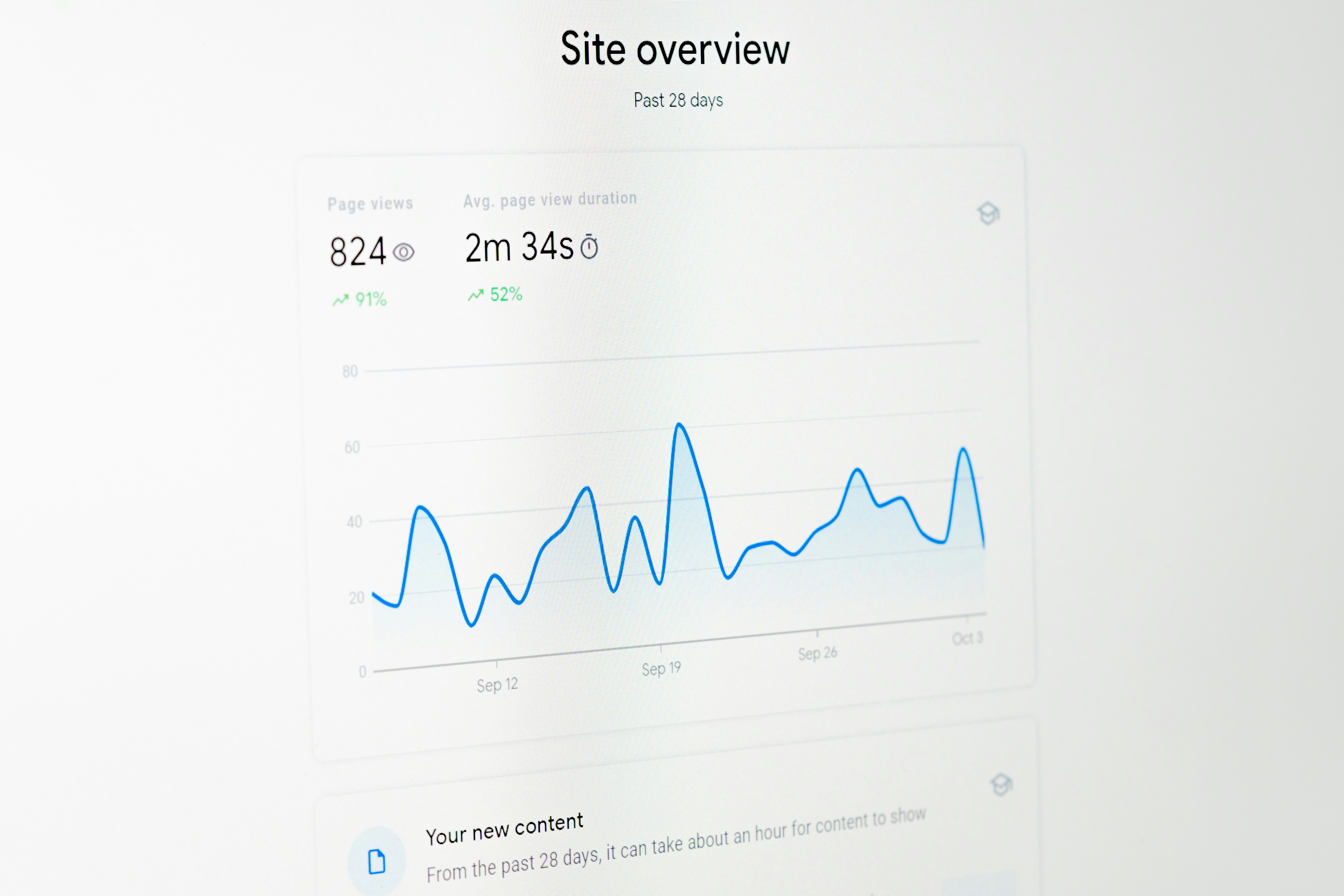
You log into your Mediavine dashboard, and the number staring back at you is RPM. It moved since last week. Maybe it dropped. You don't entirely know why, and you definitely don't know if it's "good." Every food blogging Facebook group has someone posting their RPM like a report card, and it's easy to walk away feeling like you're failing at a metric nobody actually explained to you.

RPM is one of the most talked-about, least understood numbers in ad monetization. It's not your traffic, it's not your earnings, and it's not the same thing as CPM, even though the two get used interchangeably all the time. Once you understand what it actually measures and what moves it, the swings stop feeling personal and start looking like exactly what they are: a predictable, mostly out-of-your-control market signal, with a few real levers you can pull.

This guide covers what RPM means, what's typical for a food blog, why it swings seasonally, and where it stops being the most useful thing to optimize.

The Confusion That Comes With Every Dashboard

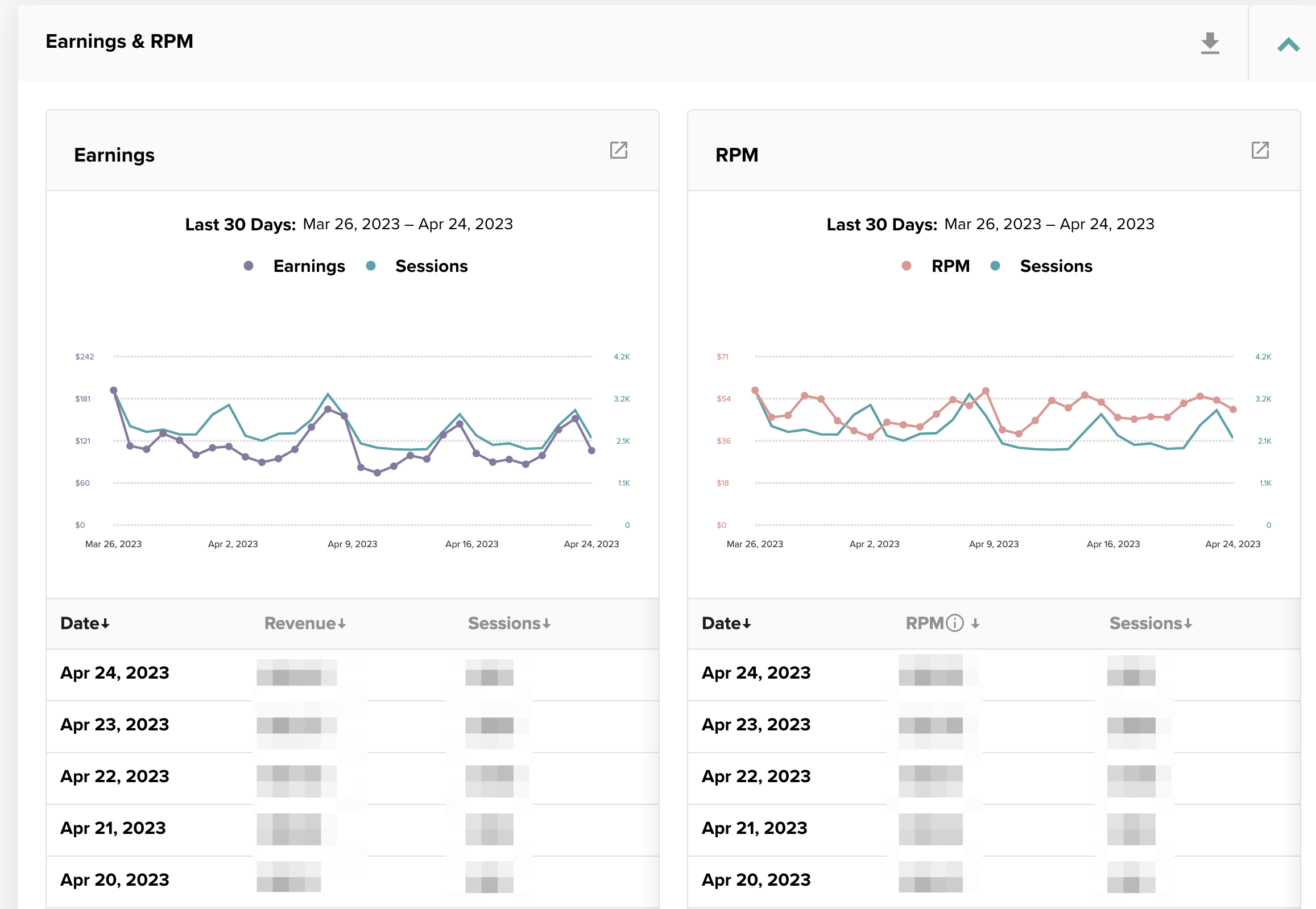
Here's the pattern: traffic stays flat, content quality stays flat, and RPM drops anyway. It happens almost every January and almost every July, and if you don't know that's a seasonal pattern shared by literally every publisher on the network, it reads like something you did wrong.

That confusion has a real cost. Bloggers chase RPM with content tweaks that don't move the number, because the number was never about their content in the first place. And worse, some treat a low RPM month as proof that display ads "aren't worth it," when the actual issue is a January advertiser budget cycle that has nothing to do with their site.

Understanding RPM properly means you stop reacting to noise and start focusing on the parts of your earnings you can actually influence.

Confused by your ad dashboard? Brand deals don't swing the same way

CPG sponsorships through Jupiter are negotiated upfront, with payouts that don't depend on seasonal ad budgets or fill rates. Join free and add a revenue stream that doesn't move with the market.

RPM vs CPM: What's the Actual Difference

RPM stands for revenue per mille, or revenue per 1,000 sessions. It's the number that tells you, on average, how much you earned for every thousand visits to your site.

CPM stands for cost per mille, and it's what an advertiser pays per 1,000 ad impressions. It's a bidding-side number, not a publisher-earnings number.

The two get blurred because they're related but not identical. Your RPM depends on your CPM rates, but also on fill rate (how often an ad actually serves), how many ad units are on a page, and how many of your sessions can even be monetized in the first place. A high CPM market with a low fill rate can still produce an unimpressive RPM.

The formula that ties it together is simple:

Which is also why growing your sessions and growing your RPM are two completely separate growth levers, and conflating them is where a lot of bloggers get stuck.

What's a "Good" RPM for a Food Blog

There's no single right answer, because Mediavine and similar premium networks are programmatic-first, meaning RPM is calculated individually per site based on audience, content, and ad performance history. No two food blogs will land on exactly the same number, even with similar traffic.

That said, food and lifestyle content sits in a healthy middle tier compared to other niches. Finance and legal content commands the highest RPMs because of high advertiser bids per lead; food, parenting, and lifestyle content typically lands lower than that but still well above generic or low-engagement niches. Most Mediavine publishers report RPMs somewhere in the $10 to $40 range, with some sites seeing far less at the start of a new ad relationship and others seeing well above $30 to $40 during peak season.

The factors that actually move your number, in rough order of how much control you have over them:

  • Traffic geography. US and other Tier 1 traffic monetizes meaningfully higher than international traffic, since that's where advertiser demand concentrates.

  • Content length and format. Longer, more thorough posts support more ad placements per pageview, which lifts RPM directly.

  • Traffic source. Organic search traffic tends to be more engaged, with longer time on site, than traffic arriving from a single social platform.

  • Time of year. More on this below, and it's the factor with the least to do with your content and the most to do with advertiser budgets.

Why Your RPM Swings Throughout the Year

This is the part that catches the most bloggers off guard. RPM is seasonal, and the pattern is consistent across the entire publisher base, not specific to any one site.

Advertiser budgets reset at the start of each fiscal quarter, and spending is naturally conservative early in a new budget cycle since there are still months left to spend it. That's why January and July, the start of Q1 and Q3, are reliably the lowest RPM periods of the year. It's not that fewer people are reading. It's that advertisers are buying fewer impressions and bidding more conservatively while the year (or half-year) is still fresh.

RPM climbs as the year progresses, picking up through spring, and peaks twice: once near the end of Q2 in June, and again heading into the holiday season in Q4, when retail and gift-driven advertisers spend the most aggressively of the year.

None of this is something you can influence with better content. Knowing the pattern exists is mostly about not panicking when your January dashboard looks worse than your November one, and instead planning your cash flow with that seasonality in mind.

Your brand deal income doesn't follow the ad budget calendar

Jupiter connects food creators to 65+ CPG brand partners and Instacart affiliate commerce, income that's negotiated directly and isn't tied to quarterly ad spend cycles. It's a way to smooth out the months when RPM dips.

A Closer Look at Monetized RPM

Mediavine recently introduced Monetized RPM (mRPM), a refinement to how RPM gets calculated. Standard RPM counts every single session in its calculation, including traffic that could never have generated revenue in the first place: bot traffic, visitors running ad blockers, and sessions from regions where advertisers simply aren't bidding. All of that traffic pulls the RPM number down without ever reflecting how the site is actually performing for monetizable visitors.

Monetized RPM strips that out, so the number publishers see is a more accurate reflection of how their actual ad-eligible audience is performing. If your dashboard RPM looked artificially low before, this is part of why, and it's worth understanding which version of the metric you're looking at when you compare notes with other bloggers.

How to Actually Increase Your RPM

Once you've separated out the seasonal noise, a few things genuinely move the number:

  • Write longer, more thorough posts. More content supports more ad placements per page, and longer time on page gives each ad more opportunity to be viewed and clicked.

  • Be intentional about ad density and placement. Sticky sidebar or footer ads that stay visible as a reader scrolls tend to perform well, especially on longer posts where they stay on screen longer.

  • Prioritize organic search traffic. Search visitors generally convert better for advertisers than visitors arriving from a single social referral source, since search traffic tends to be more intent-driven.

  • Keep your site fast and your layout clean. Site speed and a clutter-free design support both SEO and ad viewability, two things that compound into a better RPM over time.

These levers move the number meaningfully, but they all share the same ceiling: they're optimizing revenue against a fixed pool of traffic. Eventually, the highest-RPM blog in the world still earns based on sessions times RPM, full stop.

The Ceiling RPM Alone Can't Get Past

This is the part worth sitting with: RPM optimization has a mathematical limit. You can write longer posts, tighten your layout, and chase every seasonal peak, but your ad income will always be sessions multiplied by RPM, and both of those numbers have real-world ceilings.

Brand deals and affiliate commerce don't share that ceiling. A single CPG sponsorship can pay more than a month of display ads on a mid-sized blog, and it stacks directly on top of whatever your RPM is already earning, rather than competing with it for the same pageviews. That's the structural difference between optimizing one income stream and building a second one alongside it.

Stack brand deals on top of your ad income

1,000+ creators have collectively earned $3M+ through Jupiter's CPG partnerships and Instacart affiliate commerce, income that multiplies what you're already earning from display ads instead of competing with it. Free to join.


FAQs

Quick answers to common questions.

What is a good Mediavine RPM for a food blog?+

Most Mediavine publishers report RPMs in the $10 to $40 range, with food and lifestyle content generally sitting in the mid-tier compared to higher-paying niches like finance. Your specific RPM depends on traffic geography, content length, traffic source, and time of year.

What's the difference between RPM and CPM?+

CPM is what an advertiser pays per 1,000 ad impressions. RPM is what a publisher actually earns per 1,000 sessions, after accounting for fill rate and the number of ad units on a page. They're related but measure different sides of the transaction.

Why does my RPM drop every January and July?+

Advertiser budgets reset at the start of each fiscal quarter, and spending is more conservative early in a new budget cycle. January and July reliably show the lowest RPMs across the entire publisher base, regardless of individual site performance, while RPM tends to peak near the end of Q2 and during the Q4 holiday season.

Can I increase my RPM without growing my traffic?+

Yes, to a point. Longer content, better ad placement, faster site speed, and a higher share of organic search traffic can all lift RPM independently of session growth. But RPM optimization has a ceiling, since earnings are always sessions multiplied by RPM.

Is there a way to earn more without depending on RPM at all?+

Brand sponsorships and affiliate commerce, including the partnerships Jupiter connects creators to, are negotiated independently of ad network seasonality or fill rate. That income stacks on top of display ad earnings rather than being capped by the same formula.

Related Posts

Browse more from our blog.

How to Get Brand Deals as a Food Creator (Even with a Small Audience) thumbnail

How to Get Brand Deals as a Food Creator (Even with a Small Audience)

You don't need 100k followers to land paid brand partnerships. Here's the step-by-step playbook food creators are using in 2026 to get sponsored - from building a pitch-ready profile to closing deals with CPG brands that actually pay well.

6/12/2026

How Food Bloggers Make Money in 2026: Every Revenue Stream Explained thumbnail

How Food Bloggers Make Money in 2026: Every Revenue Stream Explained

From display ads to brand deals to Instacart commissions - here's an honest breakdown of every income stream available to food creators in 2026, and how the smartest ones are stacking all of them at once.

6/12/2026

The Creator Growth Playbook: How to Turn Your Audience Into a Sustainable Business thumbnail

The Creator Growth Playbook: How to Turn Your Audience Into a Sustainable Business

A practical, no-fluff guide for creators who want to grow beyond views and turn their audience into recurring revenue — using brand deals, ad networks, commerce, and owned channels.

4/27/2026

The Most Profitable Food Blog Niches in 2026 (Ranked by Earning Potential) thumbnail

The Most Profitable Food Blog Niches in 2026 (Ranked by Earning Potential)

A ranked look at the most profitable food blog niches in 2026, from keto to meal prep to budget cooking, based on ad RPM, brand deal availability, and affiliate potential.

7/8/2026

ManyChat for Food Bloggers: Is It Worth It in 2026? thumbnail

ManyChat for Food Bloggers: Is It Worth It in 2026?

A feature-for-feature look at ManyChat's 2026 pricing for food creators, what it actually costs once your Reels go viral, and how Jupiter's built-in DM automation compares for free.

7/8/2026

Pinterest SEO for Recipes: How to Rank Your Pins in 2026 thumbnail

Pinterest SEO for Recipes: How to Rank Your Pins in 2026

A technical guide to Pinterest SEO for food bloggers in 2026: keyword placement, Rich Pins setup, board structure, and the ranking signals that actually move recipe pins.

7/2/2026

How to Get Paid on TikTok as a Food Creator (Beyond the Creator Fund) thumbnail

How to Get Paid on TikTok as a Food Creator (Beyond the Creator Fund)

A reality check on TikTok's Creator Rewards Program, plus every other way food creators actually earn on TikTok: brand deals, TikTok Shop, LIVE gifts, and proper disclosure.

6/29/2026

Pinterest for Food Bloggers: How to Drive Massive Traffic to Your Blog thumbnail

Pinterest for Food Bloggers: How to Drive Massive Traffic to Your Blog

Learn how food bloggers use Pinterest to drive consistent, compounding traffic in 2026: board strategy, pin design, posting cadence, and turning pins into income.

6/29/2026

How to Start a Food TikTok Account and Get Your First 10K Followers thumbnail

How to Start a Food TikTok Account and Get Your First 10K Followers

A step-by-step beginner's guide to starting a food TikTok account in 2026, from setting up your profile to the content formats and posting habits that actually get new creators discovered.

6/24/2026

How to Grow Your Food Instagram Page: A Creator's Playbook thumbnail

How to Grow Your Food Instagram Page: A Creator's Playbook

A practical playbook for growing a food Instagram page in 2026, from Reels strategy to Stories and collabs, plus how to turn followers into blog traffic that actually pays.

6/23/2026

Instagram DM Automation for Food Creators: More Traffic, More Sales thumbnail

Instagram DM Automation for Food Creators: More Traffic, More Sales

How comment-to-DM automation works on Instagram, what Meta actually allows, and how food creators use it to turn recipe comments into blog traffic and sales.

6/22/2026

Mediavine Requirements in 2026: How to Qualify (and What to Do First) thumbnail

Mediavine Requirements in 2026: How to Qualify (and What to Do First)

Mediavine's 2026 requirements explained: the $5,000 revenue threshold, the Journey on-ramp at 1,000 sessions, the application steps, and what to do while you wait.

6/22/2026

Best Recipe Card Plugins for Food Bloggers: Ranked for 2026 thumbnail

Best Recipe Card Plugins for Food Bloggers: Ranked for 2026

Comparing the best recipe card plugins for WordPress in 2026: Tasty Recipes, WP Recipe Maker, Feast, and a free alternative. Find out which is right for your food blog.

6/18/2026

Recipe Schema Markup Explained: Get Rich Results for Your Food Blog thumbnail

Recipe Schema Markup Explained: Get Rich Results for Your Food Blog

Learn what recipe schema markup is, why it matters for food blog SEO, and how to implement it correctly to get rich results on Google without touching code.

6/18/2026

Food Blog SEO: How to Get Your Recipes to Rank on Google in 2026 thumbnail

Food Blog SEO: How to Get Your Recipes to Rank on Google in 2026

A complete guide to food blog SEO in 2026: keyword research, recipe schema, site speed, internal linking, and the technical foundations that get your recipes ranking on Google.

6/18/2026

How to Create a Food Blogger Media Kit (Free Template Inside) thumbnail

How to Create a Food Blogger Media Kit (Free Template Inside)

Learn exactly what to put in a food blogger media kit, grab a free template, and find out how to keep your numbers current so brands take you seriously from the first pitch.

6/17/2026

The Best Free Platforms to Start a Recipe Blog in 2026 thumbnail

The Best Free Platforms to Start a Recipe Blog in 2026

WordPress, Substack, Squarespace, Wix - there's no shortage of places to start a recipe blog. But free to start and free to grow are very different things. Here's how the major platforms actually stack up for food creators who want to make money from their content.

6/16/2026

How to Start a Food Blog in 2026 (That Actually Makes Money) thumbnail

How to Start a Food Blog in 2026 (That Actually Makes Money)

Most food blog guides tell you how to set up a website. This one tells you how to build a business. Here's exactly how to start a food blog in 2026 - from your first post to your first dollar - without wasting months on things that don't move the needle.

6/16/2026

How to Land CPG Brand Deals as a Food Creator thumbnail

How to Land CPG Brand Deals as a Food Creator

CPG brand partnerships are the most lucrative sponsorship category for food creators - but most brands aren't on Instagram DMs waiting for your pitch. Here's exactly how the deals actually happen, with real brand examples.

6/16/2026

Is Food Blogging Profitable? An Honest Answer for New Creators thumbnail

Is Food Blogging Profitable? An Honest Answer for New Creators

The honest answer is yes - but with important caveats most "success story" posts leave out. Here's what the profitability timeline actually looks like, what separates bloggers who earn from those who don't, and why the "it takes years" myth is only half true.

6/12/2026

How to Get Brand Deals as a Food Creator (Even with a Small Audience) thumbnail

How to Get Brand Deals as a Food Creator (Even with a Small Audience)

You don't need 100k followers to land paid brand partnerships. Here's the step-by-step playbook food creators are using in 2026 to get sponsored - from building a pitch-ready profile to closing deals with CPG brands that actually pay well.

6/12/2026

How Food Bloggers Make Money in 2026: Every Revenue Stream Explained thumbnail

How Food Bloggers Make Money in 2026: Every Revenue Stream Explained

From display ads to brand deals to Instacart commissions - here's an honest breakdown of every income stream available to food creators in 2026, and how the smartest ones are stacking all of them at once.

6/12/2026

The Creator Growth Playbook: How to Turn Your Audience Into a Sustainable Business thumbnail

The Creator Growth Playbook: How to Turn Your Audience Into a Sustainable Business

A practical, no-fluff guide for creators who want to grow beyond views and turn their audience into recurring revenue — using brand deals, ad networks, commerce, and owned channels.

4/27/2026

The Most Profitable Food Blog Niches in 2026 (Ranked by Earning Potential) thumbnail

The Most Profitable Food Blog Niches in 2026 (Ranked by Earning Potential)

A ranked look at the most profitable food blog niches in 2026, from keto to meal prep to budget cooking, based on ad RPM, brand deal availability, and affiliate potential.

7/8/2026

ManyChat for Food Bloggers: Is It Worth It in 2026? thumbnail

ManyChat for Food Bloggers: Is It Worth It in 2026?

A feature-for-feature look at ManyChat's 2026 pricing for food creators, what it actually costs once your Reels go viral, and how Jupiter's built-in DM automation compares for free.

7/8/2026

Pinterest SEO for Recipes: How to Rank Your Pins in 2026 thumbnail

Pinterest SEO for Recipes: How to Rank Your Pins in 2026

A technical guide to Pinterest SEO for food bloggers in 2026: keyword placement, Rich Pins setup, board structure, and the ranking signals that actually move recipe pins.

7/2/2026