Mediavine Requirements in 2026: How to Qualify (and What to Do First)

Mediavine's 2026 requirements explained: the $5,000 revenue threshold, the Journey on-ramp at 1,000 sessions, the application steps, and what to do while you wait.

Mediavine Requirements in 2026: How to Qualify (and What to Do First) hero image

On this page

If you've spent any time in food blogging Facebook groups, you've heard it: Mediavine is the ad network everyone wants and almost nobody can get into right away. The RPMs are real, the reputation is real, and so is the wait.

What's changed for 2026 is the path to get there. Mediavine moved away from a flat traffic minimum and now evaluates applicants on revenue, with a separate on-ramp program for sites that aren't there yet. That's good news for some creators and confusing news for everyone who's been quoting the old "50,000 sessions" rule for years.

This guide breaks down exactly what Mediavine requires today, how the application actually works, why applications get rejected, and what to do with your traffic and content in the meantime so growth doesn't mean going unpaid.

The Pain of Building Toward a Moving Target

Here's the frustrating part of chasing Mediavine: you're told to focus on growing traffic and content quality, so you do. You publish consistently, you build an audience, you watch your analytics. And while you're doing all of that, you're either running AdSense at a fraction of the RPM, or running no ads at all because you're saving your site for "the real thing."

Meanwhile, your recipes are getting traffic, your content is getting shared, and none of that audience is being monetized the way it could be. The gap between "growing a blog" and "earning from a blog" is where most food creators lose months, sometimes years, of revenue they never get back.

The traffic requirement isn't going away. But it also doesn't have to be the only thing standing between your content and getting paid for it.

Don't wait on Mediavine to start earning

Jupiter connects food creators to 65+ CPG brand partners, Instacart affiliate commerce, and revenue opportunities you can access today, no traffic minimum required. Join free and start monetizing the audience you already have while you build toward Mediavine.

What Mediavine Actually Requires in 2026

Mediavine's eligibility model changed at the start of 2026. The old flat "50,000 monthly sessions" rule that defined the network for years is no longer the entry point. Here's the current structure, directly from Mediavine:

  • Mediavine Ad Management (the main network): To apply, your site should generate at least $5,000 in annual ad revenue. This is a revenue threshold, not a traffic threshold. The logic is that revenue is a more reliable signal of an audience that's actually worth premium ad demand than raw session counts ever were.

  • Journey by Mediavine (the on-ramp): If you're not at $5,000 in ad revenue yet, Journey is the entry program. It starts at 1,000 monthly sessions, with no revenue minimum required to apply. Journey runs on Mediavine's Grow plugin, pays a 70% revenue share, and automatically upgrades a site to full Mediavine once it earns $5,000 in ad revenue within a trailing 12-month period.

Beyond the headline numbers, Mediavine reviews every application against four standards:

  • Original, audience-first content. Thin, AI-generated, or heavily aggregated content is a fast way to get flagged.

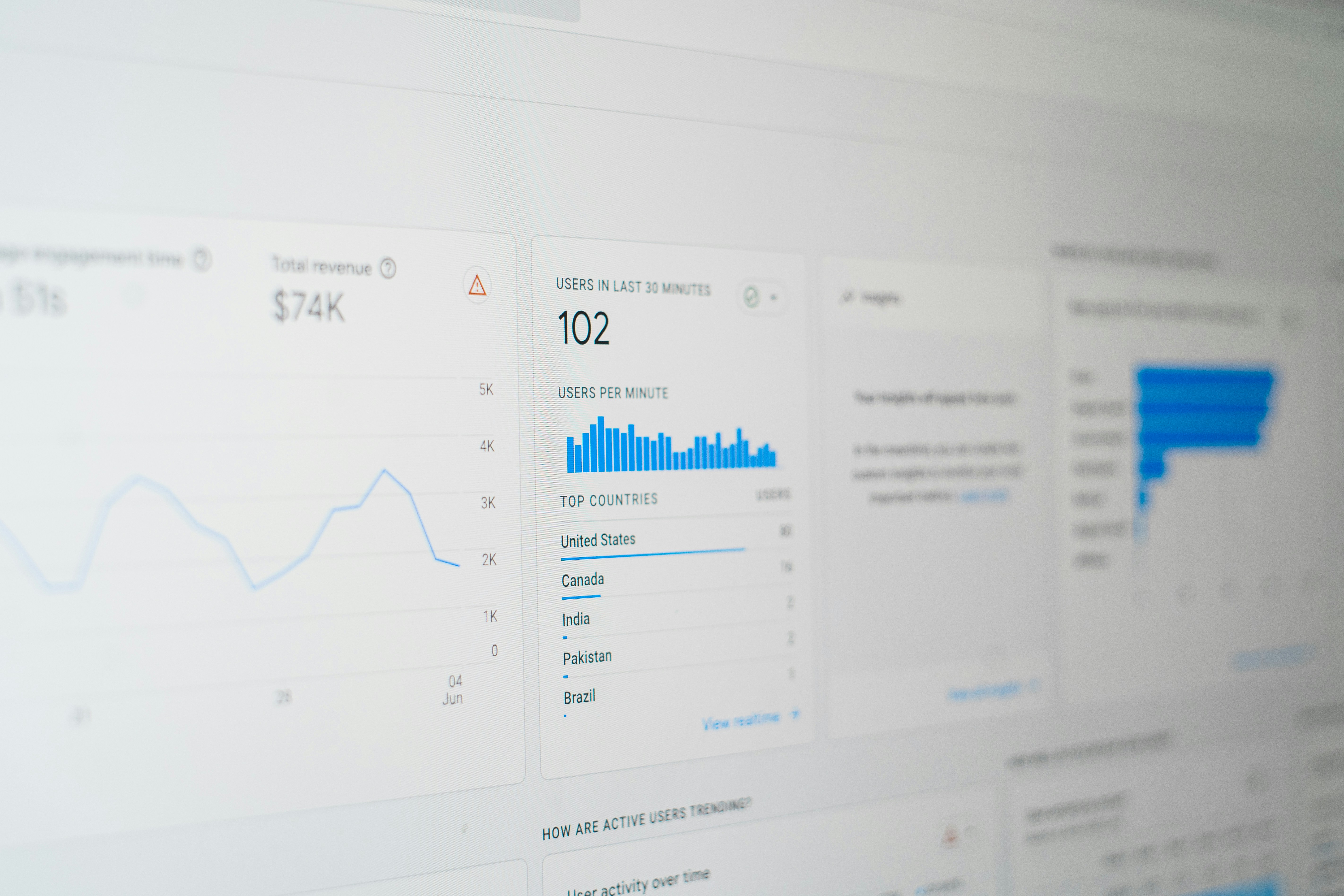
  • Clean, human, brand-safe traffic. Verified through GA4, with an eye toward sustainable, organic growth rather than spikes from a single paid or social source.

  • Good standing with Google AdSense/AdExchange. Policy violations on your existing ad accounts will follow you into a Mediavine review.

  • Reader experience that supports premium ads. Site speed, layout, and overall UX matter, since Mediavine's ad stack needs a page that can actually carry it.

Traffic from Tier 1 countries (the US, UK, Canada, and Australia) is also weighted more heavily, since that's where advertiser demand and RPMs are highest. International traffic isn't disqualifying, but a site that's almost entirely Tier 1 will generally have an easier review.

The Application Process, Step by Step

  1. Confirm your numbers. Check your GA4 property for the last 30 days. For Journey, you're looking for 1,000+ sessions. For the main network, you're looking at trailing annual ad revenue against the $5,000 mark.

  2. Get your GA4 access in order. Mediavine's team will ask for view-only access to verify your traffic. Make sure your property is correctly configured before you apply, not after.

  3. Apply. Head to mediavine.com/apply for the main network, or journeymv.com for Journey. The form asks for your site URL, niche, current ad setup, and analytics access.

  4. Wait for manual review. Mediavine reviews every application by hand rather than running an automated approval. Expect roughly one to two weeks before you hear back.

  5. Get your decision. Approved applicants move into onboarding, where Mediavine's team helps with ad code installation and placement. Rejected applicants typically receive a reason, which is worth holding onto for your next attempt.

Why Applications Get Rejected

A handful of issues account for most of the "not yet" responses:

  • Borderline numbers. Sitting just under the threshold, whether sessions for Journey or revenue for the main network, is one of the most common rejection reasons. Reviewers would rather see you comfortably clear the bar than scrape past it.

  • Inconsistent or declining traffic. A site that hit its number once but is trending down looks riskier than one steadily climbing toward it.

  • Thin or templated content. Recipe posts that are mostly ingredient lists with little original voice, photography, or context don't meet the "audience-first content" bar.

  • GA4 misconfiguration. If your analytics aren't tracking sessions accurately, Mediavine can't verify what you're claiming, and that alone can stall a review.

  • Existing AdSense policy issues. Past violations on your Google ad accounts carry over into how Mediavine views your site.

Get your media kit ready while your traffic grows

Brands want to see your numbers as much as ad networks do. Jupiter's creator tools help you package your traffic, audience, and content into a media kit brands actually respond to, so you're ready for brand deals and ad networks at the same time.

What to Do Before You Qualify

This is the part most guides skip: the months (or years) you spend below the threshold don't have to be unmonetized months. A few things worth doing in parallel with growing your traffic:

  • Stack revenue sources that don't have a traffic floor. CPG brand sponsorships and Instacart affiliate commissions don't require 1,000 sessions or $5,000 in ad revenue to start paying out. A single sponsored recipe post can outearn a month of early-stage display ads, no minimum required.

  • Treat content quality as a Mediavine application in progress, not just an SEO task. Since original, audience-first content is one of Mediavine's actual review criteria, every post you publish well now is one less thing to fix later.

  • Get your GA4 house in order early. Don't wait until you're at the threshold to find out your analytics are misconfigured. Set it up correctly now so verification isn't the thing that delays your approval.

  • Consider Journey if you're past 1,000 sessions. There's no reason to wait for the full $5,000 revenue mark if Journey's on-ramp is already open to you. It's designed specifically for sites in growth mode.

Mediavine vs Your Other Options While You Wait

Mediavine isn't the only ad network, and it doesn't need to be your only revenue source. Raptive (formerly AdThrive) is the other major premium network food creators compare against, with its own traffic and content standards. Ezoic and Google AdSense have lower entry bars but generally lower RPMs as well.

The honest answer is that none of these networks, including Mediavine, replace the income a creator can build through direct brand partnerships and affiliate commerce. Those channels work at any traffic level, which is exactly where Jupiter fits into the picture: not as a replacement for ad network income, but as the part of your revenue stack that doesn't ask you to wait.

Join the 1,000+ creators already earning with Jupiter

Jupiter creators have collectively earned $3M+ through brand deals, Instacart affiliate commerce, and CPG partnerships, no traffic minimum, no waiting period, free to join.

FAQs

Quick answers to common questions.

What is the minimum traffic for Mediavine in 2026?+

There's no longer a flat session minimum for the main Mediavine network. Eligibility is based on annual ad revenue, with a target of $5,000+. Journey by Mediavine, the on-ramp program, starts at 1,000 monthly sessions with no revenue requirement.

How long does the Mediavine application process take?+

Mediavine reviews applications manually, and most applicants hear back in roughly one to two weeks after submitting their application and GA4 access.

Can I apply to Mediavine with a brand new blog?+

You can apply to Journey by Mediavine once you reach 1,000 monthly sessions, which is achievable for many newer blogs within several months of consistent publishing. The main Mediavine network's $5,000 revenue threshold typically takes longer to reach.

What's the difference between Mediavine and Journey by Mediavine?+

Mediavine is the main network, requiring roughly $5,000+ in annual ad revenue to apply. Journey is the entry-level program for growing sites, starting at 1,000 sessions, paying a 70% revenue share, and automatically upgrading a site to full Mediavine once it earns $5,000 in ad revenue over a trailing 12-month period.

Do I need to wait for Mediavine to start earning from my food blog?+

No. Brand sponsorships and affiliate commerce, including the kind Jupiter connects creators to, don't have a traffic or revenue floor. Many creators build that income alongside their ad network application rather than waiting for approval first.

Related Posts

Browse more from our blog.

How to Get Brand Deals as a Food Creator (Even with a Small Audience) thumbnail

How to Get Brand Deals as a Food Creator (Even with a Small Audience)

You don't need 100k followers to land paid brand partnerships. Here's the step-by-step playbook food creators are using in 2026 to get sponsored - from building a pitch-ready profile to closing deals with CPG brands that actually pay well.

6/12/2026

How Food Bloggers Make Money in 2026: Every Revenue Stream Explained thumbnail

How Food Bloggers Make Money in 2026: Every Revenue Stream Explained

From display ads to brand deals to Instacart commissions - here's an honest breakdown of every income stream available to food creators in 2026, and how the smartest ones are stacking all of them at once.

6/12/2026

The Creator Growth Playbook: How to Turn Your Audience Into a Sustainable Business thumbnail

The Creator Growth Playbook: How to Turn Your Audience Into a Sustainable Business

A practical, no-fluff guide for creators who want to grow beyond views and turn their audience into recurring revenue — using brand deals, ad networks, commerce, and owned channels.

4/27/2026

The Most Profitable Food Blog Niches in 2026 (Ranked by Earning Potential) thumbnail

The Most Profitable Food Blog Niches in 2026 (Ranked by Earning Potential)

A ranked look at the most profitable food blog niches in 2026, from keto to meal prep to budget cooking, based on ad RPM, brand deal availability, and affiliate potential.

7/8/2026

ManyChat for Food Bloggers: Is It Worth It in 2026? thumbnail

ManyChat for Food Bloggers: Is It Worth It in 2026?

A feature-for-feature look at ManyChat's 2026 pricing for food creators, what it actually costs once your Reels go viral, and how Jupiter's built-in DM automation compares for free.

7/8/2026

Pinterest SEO for Recipes: How to Rank Your Pins in 2026 thumbnail

Pinterest SEO for Recipes: How to Rank Your Pins in 2026

A technical guide to Pinterest SEO for food bloggers in 2026: keyword placement, Rich Pins setup, board structure, and the ranking signals that actually move recipe pins.

7/2/2026

How to Get Paid on TikTok as a Food Creator (Beyond the Creator Fund) thumbnail

How to Get Paid on TikTok as a Food Creator (Beyond the Creator Fund)

A reality check on TikTok's Creator Rewards Program, plus every other way food creators actually earn on TikTok: brand deals, TikTok Shop, LIVE gifts, and proper disclosure.

6/29/2026

Pinterest for Food Bloggers: How to Drive Massive Traffic to Your Blog thumbnail

Pinterest for Food Bloggers: How to Drive Massive Traffic to Your Blog

Learn how food bloggers use Pinterest to drive consistent, compounding traffic in 2026: board strategy, pin design, posting cadence, and turning pins into income.

6/29/2026

How to Start a Food TikTok Account and Get Your First 10K Followers thumbnail

How to Start a Food TikTok Account and Get Your First 10K Followers

A step-by-step beginner's guide to starting a food TikTok account in 2026, from setting up your profile to the content formats and posting habits that actually get new creators discovered.

6/24/2026

How to Grow Your Food Instagram Page: A Creator's Playbook thumbnail

How to Grow Your Food Instagram Page: A Creator's Playbook

A practical playbook for growing a food Instagram page in 2026, from Reels strategy to Stories and collabs, plus how to turn followers into blog traffic that actually pays.

6/23/2026

Instagram DM Automation for Food Creators: More Traffic, More Sales thumbnail

Instagram DM Automation for Food Creators: More Traffic, More Sales

How comment-to-DM automation works on Instagram, what Meta actually allows, and how food creators use it to turn recipe comments into blog traffic and sales.

6/22/2026

What is RPM and How Do Food Bloggers Maximize It? thumbnail

What is RPM and How Do Food Bloggers Maximize It?

RPM explained for food bloggers: what's a good Mediavine RPM, why it swings seasonally, and the real ways to increase it, plus the income that has no RPM ceiling.

6/22/2026

Best Recipe Card Plugins for Food Bloggers: Ranked for 2026 thumbnail

Best Recipe Card Plugins for Food Bloggers: Ranked for 2026

Comparing the best recipe card plugins for WordPress in 2026: Tasty Recipes, WP Recipe Maker, Feast, and a free alternative. Find out which is right for your food blog.

6/18/2026

Recipe Schema Markup Explained: Get Rich Results for Your Food Blog thumbnail

Recipe Schema Markup Explained: Get Rich Results for Your Food Blog

Learn what recipe schema markup is, why it matters for food blog SEO, and how to implement it correctly to get rich results on Google without touching code.

6/18/2026

Food Blog SEO: How to Get Your Recipes to Rank on Google in 2026 thumbnail

Food Blog SEO: How to Get Your Recipes to Rank on Google in 2026

A complete guide to food blog SEO in 2026: keyword research, recipe schema, site speed, internal linking, and the technical foundations that get your recipes ranking on Google.

6/18/2026

How to Create a Food Blogger Media Kit (Free Template Inside) thumbnail

How to Create a Food Blogger Media Kit (Free Template Inside)

Learn exactly what to put in a food blogger media kit, grab a free template, and find out how to keep your numbers current so brands take you seriously from the first pitch.

6/17/2026

The Best Free Platforms to Start a Recipe Blog in 2026 thumbnail

The Best Free Platforms to Start a Recipe Blog in 2026

WordPress, Substack, Squarespace, Wix - there's no shortage of places to start a recipe blog. But free to start and free to grow are very different things. Here's how the major platforms actually stack up for food creators who want to make money from their content.

6/16/2026

How to Start a Food Blog in 2026 (That Actually Makes Money) thumbnail

How to Start a Food Blog in 2026 (That Actually Makes Money)

Most food blog guides tell you how to set up a website. This one tells you how to build a business. Here's exactly how to start a food blog in 2026 - from your first post to your first dollar - without wasting months on things that don't move the needle.

6/16/2026

How to Land CPG Brand Deals as a Food Creator thumbnail

How to Land CPG Brand Deals as a Food Creator

CPG brand partnerships are the most lucrative sponsorship category for food creators - but most brands aren't on Instagram DMs waiting for your pitch. Here's exactly how the deals actually happen, with real brand examples.

6/16/2026

Is Food Blogging Profitable? An Honest Answer for New Creators thumbnail

Is Food Blogging Profitable? An Honest Answer for New Creators

The honest answer is yes - but with important caveats most "success story" posts leave out. Here's what the profitability timeline actually looks like, what separates bloggers who earn from those who don't, and why the "it takes years" myth is only half true.

6/12/2026

How to Get Brand Deals as a Food Creator (Even with a Small Audience) thumbnail

How to Get Brand Deals as a Food Creator (Even with a Small Audience)

You don't need 100k followers to land paid brand partnerships. Here's the step-by-step playbook food creators are using in 2026 to get sponsored - from building a pitch-ready profile to closing deals with CPG brands that actually pay well.

6/12/2026

How Food Bloggers Make Money in 2026: Every Revenue Stream Explained thumbnail

How Food Bloggers Make Money in 2026: Every Revenue Stream Explained

From display ads to brand deals to Instacart commissions - here's an honest breakdown of every income stream available to food creators in 2026, and how the smartest ones are stacking all of them at once.

6/12/2026

The Creator Growth Playbook: How to Turn Your Audience Into a Sustainable Business thumbnail

The Creator Growth Playbook: How to Turn Your Audience Into a Sustainable Business

A practical, no-fluff guide for creators who want to grow beyond views and turn their audience into recurring revenue — using brand deals, ad networks, commerce, and owned channels.

4/27/2026

The Most Profitable Food Blog Niches in 2026 (Ranked by Earning Potential) thumbnail

The Most Profitable Food Blog Niches in 2026 (Ranked by Earning Potential)

A ranked look at the most profitable food blog niches in 2026, from keto to meal prep to budget cooking, based on ad RPM, brand deal availability, and affiliate potential.

7/8/2026

ManyChat for Food Bloggers: Is It Worth It in 2026? thumbnail

ManyChat for Food Bloggers: Is It Worth It in 2026?

A feature-for-feature look at ManyChat's 2026 pricing for food creators, what it actually costs once your Reels go viral, and how Jupiter's built-in DM automation compares for free.

7/8/2026

Pinterest SEO for Recipes: How to Rank Your Pins in 2026 thumbnail

Pinterest SEO for Recipes: How to Rank Your Pins in 2026

A technical guide to Pinterest SEO for food bloggers in 2026: keyword placement, Rich Pins setup, board structure, and the ranking signals that actually move recipe pins.

7/2/2026