Pinterest for Food Bloggers: How to Drive Massive Traffic to Your Blog

Learn how food bloggers use Pinterest to drive consistent, compounding traffic in 2026: board strategy, pin design, posting cadence, and turning pins into income.

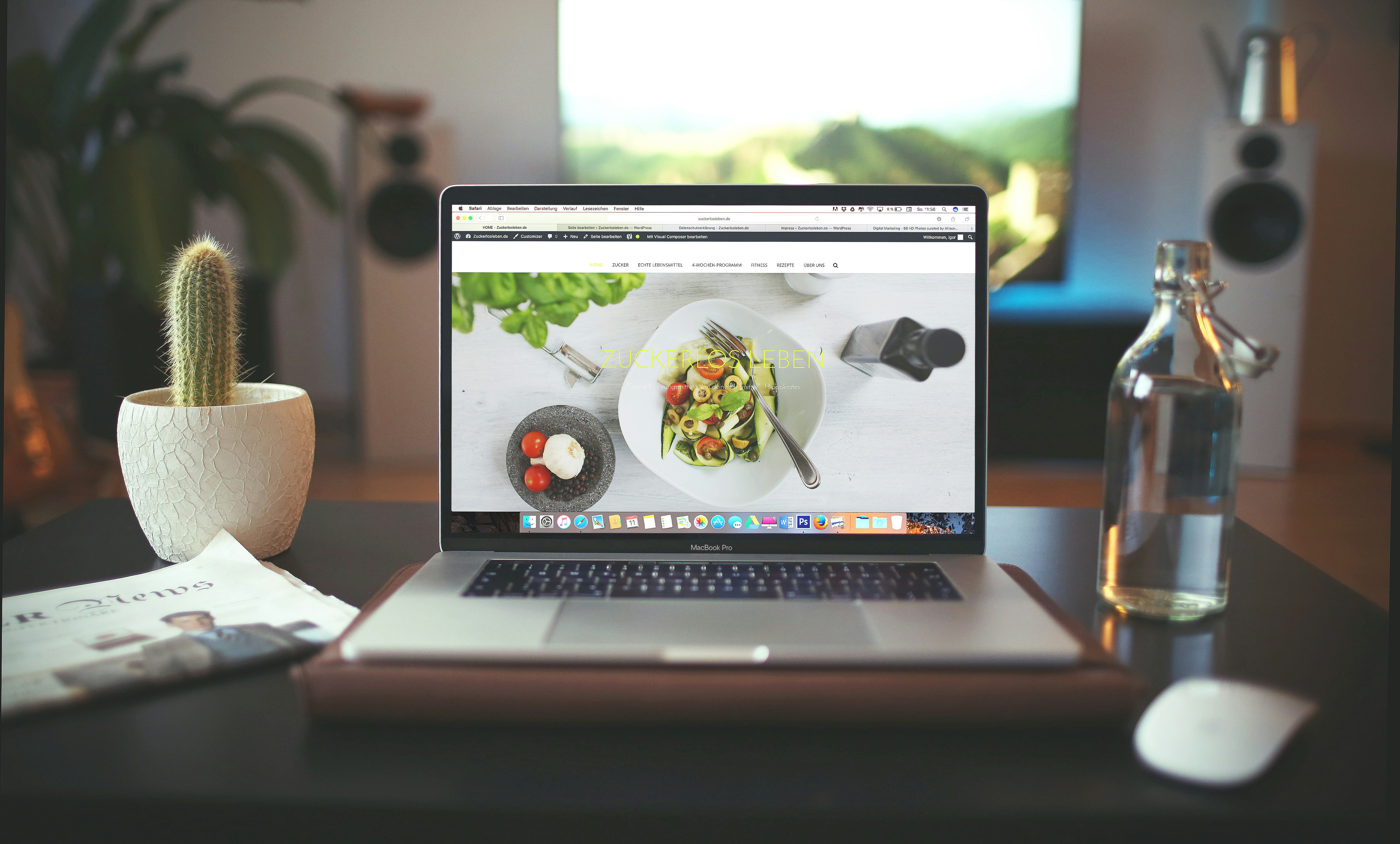
Pinterest for Food Bloggers: How to Drive Massive Traffic to Your Blog hero image

On this page

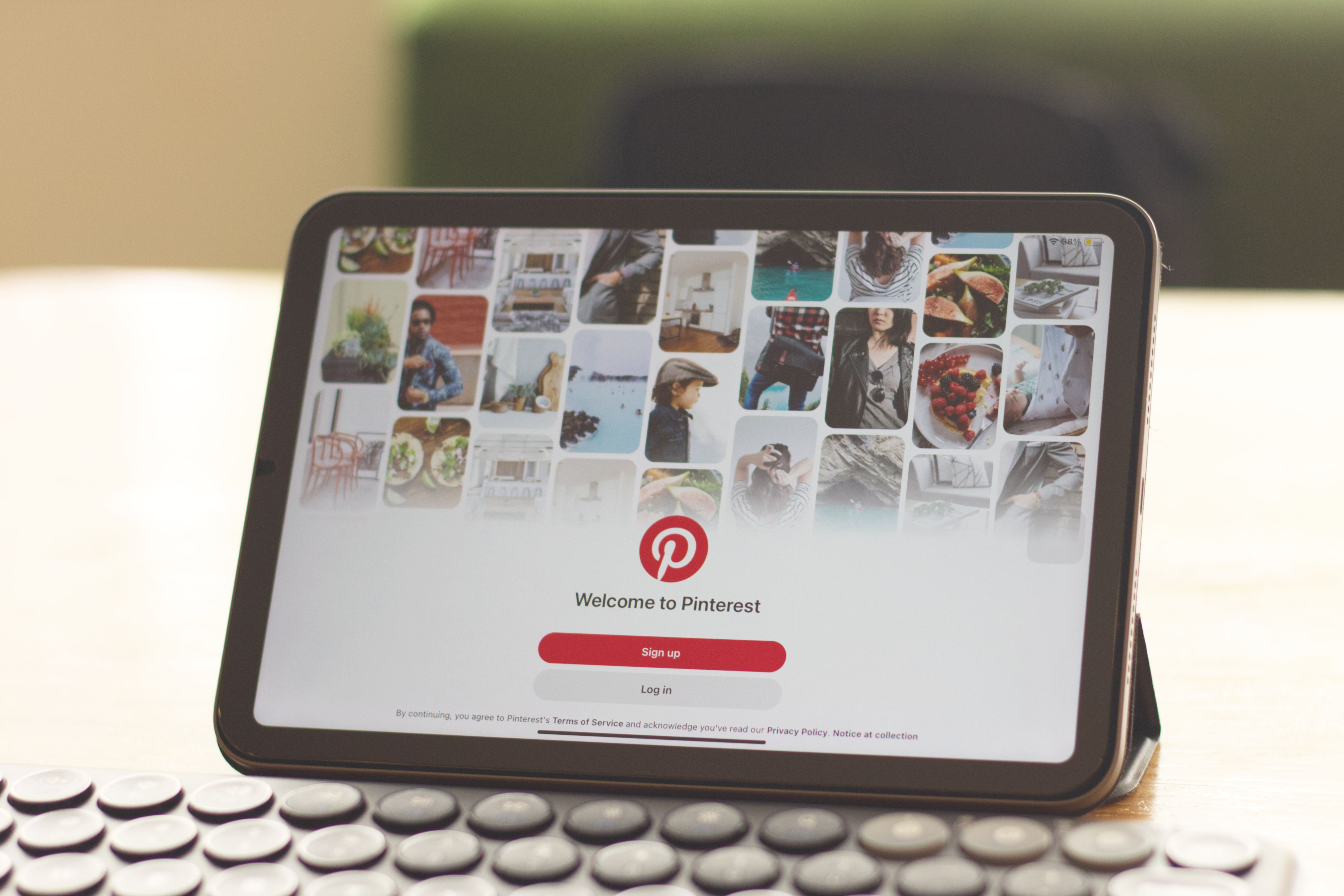
If you've written off Pinterest because Instagram and TikTok feel like where the action is, it's worth a second look. Pinterest isn't competing for attention the same way social apps do, and that's exactly why it's still one of the highest-leverage traffic sources available to food creators in 2026.

1. Why Pinterest Still Belongs in Your Traffic Strategy

Here's the problem with building a content business on Instagram or TikTok alone: every post has a shelf life measured in hours. You post, you get a burst of views, and within a day or two that content is buried under everything that came after it. To keep traffic flowing, you have to keep showing up, every single day, forever.

Pinterest doesn't work that way. A well-made pin can keep sending clicks to a recipe for months, sometimes years, after you hit publish. Pinterest is built as a visual search engine rather than a social feed, so people find your content the same way they'd find it on Google: by searching for what they actually want, not by scrolling past it in a feed that resets every morning. That single difference is why Pinterest traffic compounds while social traffic mostly doesn't.

It's also worth naming the elephant in the room: Pinterest has been dealing with a flood of low-effort, AI-generated pins over the past year, and some established food bloggers have seen their traffic dip as a result. The flip side is that newer creators who pin intentionally, with real photography and real recipes, are still breaking through. Authenticity is becoming a differentiator rather than a nice-to-have, and that's good news if you're building a genuine blog rather than churning out filler.

The catch is this: Pinterest sends people somewhere. If "somewhere" is a half-built site or a bare-bones blog with no real structure, you're leaking most of the value of that traffic before it ever has a chance to convert into a reader, an email subscriber, or ad revenue.

Pinterest Sends Traffic. Does Your Site Know What to Do With It?

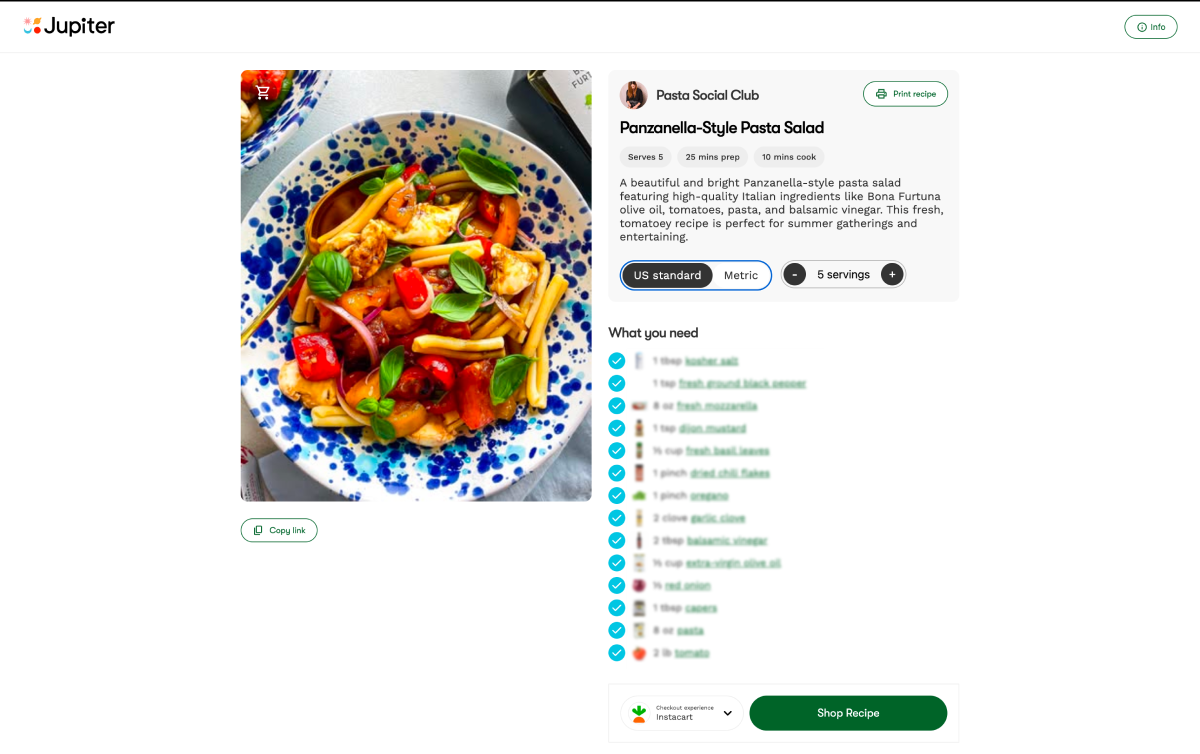
Jupiter gives every creator a free, SEO-optimized recipe website built to actually convert search traffic, whether it's coming from Google or Pinterest. No hosting, no plugins, no setup headaches.

2. The Mindset Shift: Treat Pinterest Like a Search Engine, Not a Feed

The biggest mistake food bloggers make on Pinterest is importing habits from Instagram. On social platforms, the goal is engagement: likes, comments, shares, watch time. On Pinterest, the goal is being found. Pinterest's own ranking signals center on pin quality, domain quality, the pinner's account history, and topical relevance, more like Google than like a social algorithm.

That means your job isn't to go viral. It's to show up reliably when someone searches "easy weeknight dinner" or "gluten-free banana bread." Pinterest is also home to genuinely high-intent traffic: the overwhelming majority of searches on the platform aren't tied to a specific brand or creator, they're people actively looking for ideas to act on. For a food blogger, that's about as close to a captive audience as it gets, since "looking for a recipe" and "about to click a recipe link" are nearly the same action.

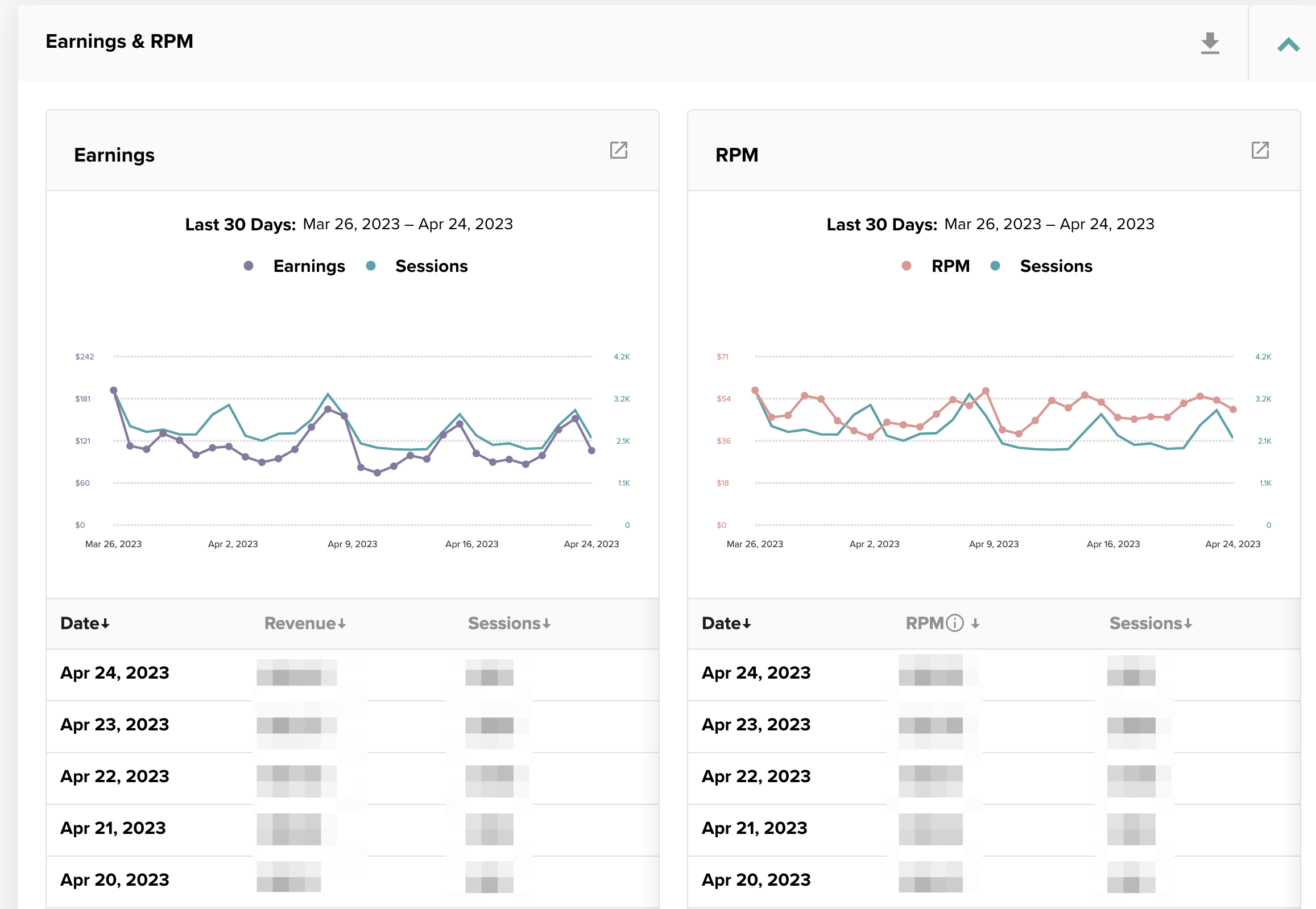
This is also why Pinterest traffic tends to monetize well. Visitors arrive already intending to cook something, which means they stick around long enough for display ads to load and recipe cards to render, exactly the kind of session that ad networks reward with higher RPMs.

3. Setting Up a Profile and Board Strategy That Works in 2026

Before you touch pin design, get the foundation right:

  • Switch to (or confirm) a Pinterest business account. This unlocks analytics and Rich Pins, both of which matter for a food blog.

  • Claim your website. This links your domain to your account and is a prerequisite for Rich Pins.

  • Write a keyword-rich bio. State your niche plainly: "easy 30-minute dinners," "gluten-free baking," "budget meal prep." Pinterest's search treats your bio as searchable text, not just decoration.

  • Build a handful of genuinely specific boards, not dozens of broad ones. The old playbook of mass-pinning to ten group boards a day has lost its effectiveness as Pinterest has tightened what counts as quality signal. A smaller set of boards with clear, searchable names ("30-Minute Dinners," "Gluten-Free Baking," "Slow Cooker Recipes") and short, keyword-rich descriptions will outperform a scattershot collection every time.

  • Use board sections to subdivide larger boards (for example, splitting a "Dinner" board into "Chicken," "Pasta," "One-Pot Meals") so both Pinterest and your audience can navigate more precisely.

This setup work takes an afternoon, but it's the difference between Pinterest understanding exactly what you make and Pinterest guessing.

4. Designing Pins People Actually Click

Pinterest's recommended pin size is 1000x1500 pixels, a 2:3 vertical ratio. Vertical pins take up more space in the feed than square or horizontal images and consistently earn more clicks and saves, so this is the format to default to for your primary pins.

A few non-negotiables for pin design:

  • Bright, high-quality food photography. The image needs to read clearly even small, on a phone screen, in a fast-scrolling feed.

  • A clear text overlay with the hook, not just the title. "15-Minute Garlic Butter Shrimp" outperforms a generic blog title because it tells someone exactly what they're getting before they click.

  • Consistent branding, font, and color palette across your pins, so your content becomes recognizable over time even to people who don't follow you directly.

  • Multiple pin designs per blog post. Don't stop at one pin per recipe. Create two or three variations of the same post, each with a different text overlay targeting a different way someone might search for that recipe, all linking back to the same URL. You're not gaming the algorithm; you're giving Pinterest more legitimate ways to match your content to different searches.

Pinterest also supports video and multi-image pins within the same upload flow as standard image pins, useful for step-by-step recipe content, but a strong static vertical pin remains the reliable default and the one worth getting right first.

5. A Pinning Cadence You Can Actually Sustain

Consistency matters more on Pinterest than almost any single tactic. The platform rewards steady, predictable activity over sporadic bursts, but "consistent" doesn't have to mean exhausting.

A sustainable rhythm looks like:

  • A mix of fresh pins (new designs, ideally tied to new or updated content) and strategic repins of your evergreen, high-performing recipes.

  • Batch-creating a week or two of pins in one sitting rather than designing daily under pressure.

  • Scheduling them out with a tool like Tailwind, Later, or Buffer, which spreads your pins across optimal times without requiring you to be online and posting in real time.

Treat this the same way you'd treat a content calendar for your blog itself: plan it in advance, batch the production, and let the schedule run.

Batching Pins Is Easy. Building a Website Isn't.

You can schedule pins in an afternoon. Building a fast, SEO-ready recipe site from scratch takes a lot longer, unless you don't have to. Jupiter creators get a free branded recipe website built to receive and convert this exact kind of search traffic, plus Instagram DM automation to capture the audience you're already building elsewhere.

6. Rich Pins and Pinterest SEO: The Quick Version

Once your site is claimed, Rich Pins let Pinterest automatically pull structured details, like ingredients, cook time, and yield, directly from your recipe page's metadata. The pin updates whenever you update the post, and it gives searchers more context before they even click, which tends to improve click-through and trust.

Getting Rich Pins validated, and writing pin titles and descriptions that actually rank in Pinterest search, is its own discipline with enough nuance to deserve its own walkthrough. We're covering the full technical setup, including recipe schema requirements and pin-ranking specifics, in a dedicated guide:Pinterest SEO for Recipes: How to Rank Your Pins in 2026. For now, just know that enabling Rich Pins is a quick, high-value step once your site is in order.

7. Turning Pinterest Traffic Into Actual Income

Traffic by itself doesn't pay the bills. The creators who actually make money from Pinterest are the ones with a monetization layer waiting on the other end of the click. For food bloggers, that layer usually has three parts:

  • Display ad revenue through networks like Mediavine or Raptive, which pays out per pageview, and tends to perform especially well on Pinterest traffic because visitors arrive ready to engage with a recipe rather than bouncing immediately.

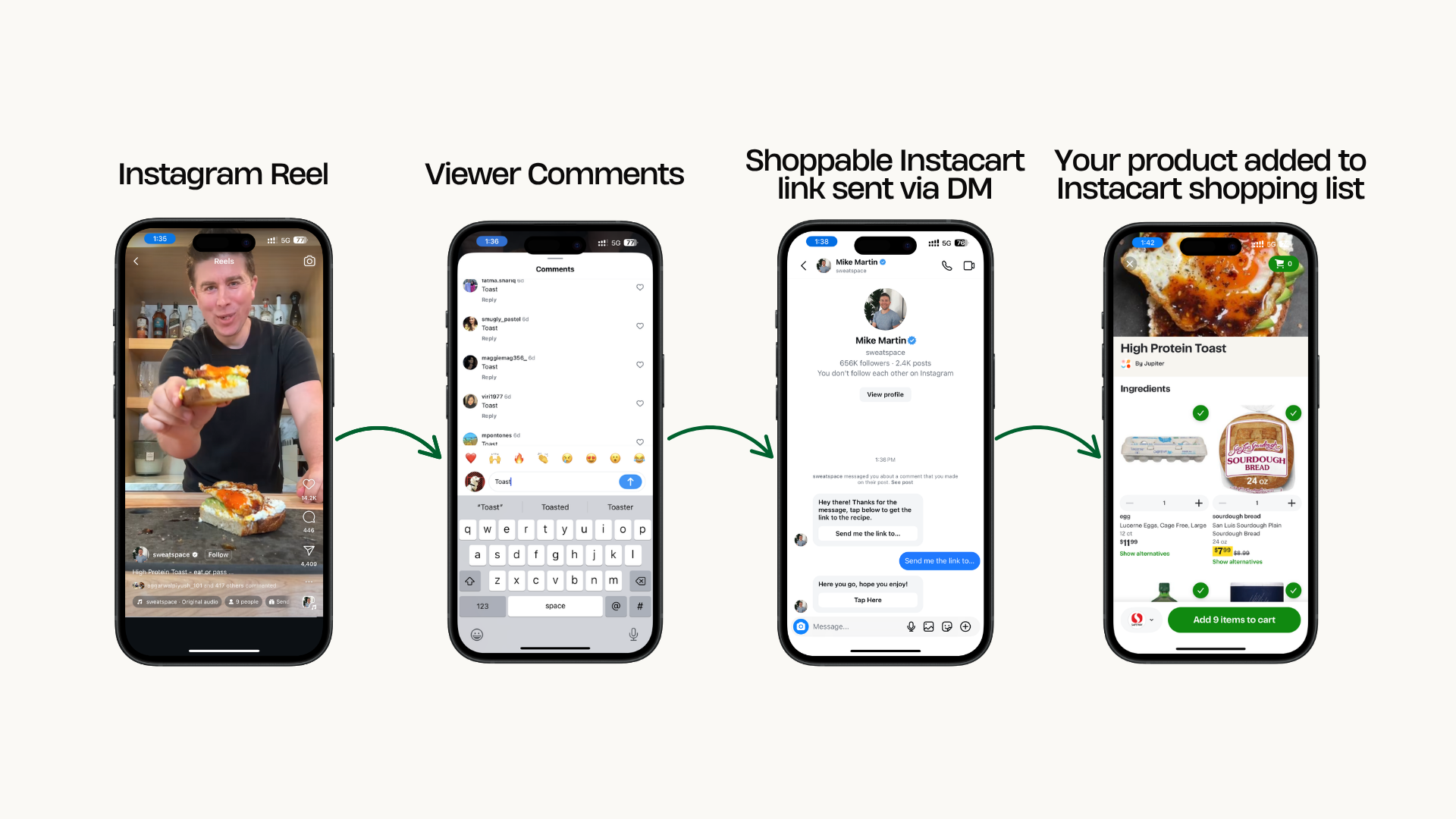
  • Instacart affiliate commerce, where a reader who lands on your recipe can shop the ingredients directly, turning a single pin click into a commission.

  • CPG brand partnerships, where a growing, search-driven audience becomes leverage for sponsorship pitches to food and beverage brands.

This is the part most "how to grow on Pinterest" advice skips entirely: traffic only converts to income if there's a real website behind it with ads, affiliate links, and brand content already built in. A Linktree or a bare blog theme won't capture nearly as much of that value as a site designed for it.

Join 1,000+ Creators Already Turning Traffic Into Income

Jupiter creators have earned $3M+ collectively by combining real traffic, like Pinterest sends, with 65+ pre-vetted CPG brand deals, premium ad network access, and a free recipe website built to convert. It's free to join, and Jupiter only earns when you do.

FAQs

Quick answers to common questions.

Is Pinterest still worth it for food bloggers in 2026?+

Yes, especially for recipe content. Pinterest functions as a visual search engine with a long content lifespan, so well-optimized pins can keep sending traffic to a single recipe for months or years. It's not a quick win, but it's one of the few channels where a finished piece of content keeps earning indefinitely.

How long does it take to see real traffic from Pinterest?+

Plan for a slow build. Pinterest, like Google, typically needs weeks to months to fully index and start surfacing new content, so the creators who succeed are the ones pinning consistently over a sustained period rather than expecting overnight results.

Do I need a paid tool like Tailwind to succeed on Pinterest?+

No, but it helps. Scheduling tools like Tailwind, Later, or Buffer let you batch-create pins and spread them out automatically, which makes daily consistency far easier to maintain without being online every day.

How many pins should I make per blog post?+

More than one. Creating two or three pin variations per post, each with a different text overlay targeting a different search phrase but linking to the same URL, gives Pinterest more ways to match your content to relevant searches.

What's the difference between this guide and a Pinterest SEO guide?+

This post covers the overall strategy: profile setup, board structure, pin design, and cadence. Our upcoming guide, Pinterest SEO for Recipes: How to Rank Your Pins in 2026, goes deep on the technical side, including Rich Pins setup and recipe schema, for creators ready to optimize further.

Do I need my own website to benefit from Pinterest traffic, or can I just link to social profiles?+

You need a real website. Pinterest traffic converts into income through ads, affiliate links, and brand content, none of which work on a social profile alone. A dedicated recipe website is what actually captures and monetizes the traffic Pinterest sends.

Related Posts

Browse more from our blog.

How to Get Brand Deals as a Food Creator (Even with a Small Audience) thumbnail

How to Get Brand Deals as a Food Creator (Even with a Small Audience)

You don't need 100k followers to land paid brand partnerships. Here's the step-by-step playbook food creators are using in 2026 to get sponsored - from building a pitch-ready profile to closing deals with CPG brands that actually pay well.

6/12/2026

How Food Bloggers Make Money in 2026: Every Revenue Stream Explained thumbnail

How Food Bloggers Make Money in 2026: Every Revenue Stream Explained

From display ads to brand deals to Instacart commissions - here's an honest breakdown of every income stream available to food creators in 2026, and how the smartest ones are stacking all of them at once.

6/12/2026

The Creator Growth Playbook: How to Turn Your Audience Into a Sustainable Business thumbnail

The Creator Growth Playbook: How to Turn Your Audience Into a Sustainable Business

A practical, no-fluff guide for creators who want to grow beyond views and turn their audience into recurring revenue — using brand deals, ad networks, commerce, and owned channels.

4/27/2026

The Most Profitable Food Blog Niches in 2026 (Ranked by Earning Potential) thumbnail

The Most Profitable Food Blog Niches in 2026 (Ranked by Earning Potential)

A ranked look at the most profitable food blog niches in 2026, from keto to meal prep to budget cooking, based on ad RPM, brand deal availability, and affiliate potential.

7/8/2026

ManyChat for Food Bloggers: Is It Worth It in 2026? thumbnail

ManyChat for Food Bloggers: Is It Worth It in 2026?

A feature-for-feature look at ManyChat's 2026 pricing for food creators, what it actually costs once your Reels go viral, and how Jupiter's built-in DM automation compares for free.

7/8/2026

Pinterest SEO for Recipes: How to Rank Your Pins in 2026 thumbnail

Pinterest SEO for Recipes: How to Rank Your Pins in 2026

A technical guide to Pinterest SEO for food bloggers in 2026: keyword placement, Rich Pins setup, board structure, and the ranking signals that actually move recipe pins.

7/2/2026

How to Get Paid on TikTok as a Food Creator (Beyond the Creator Fund) thumbnail

How to Get Paid on TikTok as a Food Creator (Beyond the Creator Fund)

A reality check on TikTok's Creator Rewards Program, plus every other way food creators actually earn on TikTok: brand deals, TikTok Shop, LIVE gifts, and proper disclosure.

6/29/2026

How to Start a Food TikTok Account and Get Your First 10K Followers thumbnail

How to Start a Food TikTok Account and Get Your First 10K Followers

A step-by-step beginner's guide to starting a food TikTok account in 2026, from setting up your profile to the content formats and posting habits that actually get new creators discovered.

6/24/2026

How to Grow Your Food Instagram Page: A Creator's Playbook thumbnail

How to Grow Your Food Instagram Page: A Creator's Playbook

A practical playbook for growing a food Instagram page in 2026, from Reels strategy to Stories and collabs, plus how to turn followers into blog traffic that actually pays.

6/23/2026

Instagram DM Automation for Food Creators: More Traffic, More Sales thumbnail

Instagram DM Automation for Food Creators: More Traffic, More Sales

How comment-to-DM automation works on Instagram, what Meta actually allows, and how food creators use it to turn recipe comments into blog traffic and sales.

6/22/2026

What is RPM and How Do Food Bloggers Maximize It? thumbnail

What is RPM and How Do Food Bloggers Maximize It?

RPM explained for food bloggers: what's a good Mediavine RPM, why it swings seasonally, and the real ways to increase it, plus the income that has no RPM ceiling.

6/22/2026

Mediavine Requirements in 2026: How to Qualify (and What to Do First) thumbnail

Mediavine Requirements in 2026: How to Qualify (and What to Do First)

Mediavine's 2026 requirements explained: the $5,000 revenue threshold, the Journey on-ramp at 1,000 sessions, the application steps, and what to do while you wait.

6/22/2026

Best Recipe Card Plugins for Food Bloggers: Ranked for 2026 thumbnail

Best Recipe Card Plugins for Food Bloggers: Ranked for 2026

Comparing the best recipe card plugins for WordPress in 2026: Tasty Recipes, WP Recipe Maker, Feast, and a free alternative. Find out which is right for your food blog.

6/18/2026

Recipe Schema Markup Explained: Get Rich Results for Your Food Blog thumbnail

Recipe Schema Markup Explained: Get Rich Results for Your Food Blog

Learn what recipe schema markup is, why it matters for food blog SEO, and how to implement it correctly to get rich results on Google without touching code.

6/18/2026

Food Blog SEO: How to Get Your Recipes to Rank on Google in 2026 thumbnail

Food Blog SEO: How to Get Your Recipes to Rank on Google in 2026

A complete guide to food blog SEO in 2026: keyword research, recipe schema, site speed, internal linking, and the technical foundations that get your recipes ranking on Google.

6/18/2026

How to Create a Food Blogger Media Kit (Free Template Inside) thumbnail

How to Create a Food Blogger Media Kit (Free Template Inside)

Learn exactly what to put in a food blogger media kit, grab a free template, and find out how to keep your numbers current so brands take you seriously from the first pitch.

6/17/2026

The Best Free Platforms to Start a Recipe Blog in 2026 thumbnail

The Best Free Platforms to Start a Recipe Blog in 2026

WordPress, Substack, Squarespace, Wix - there's no shortage of places to start a recipe blog. But free to start and free to grow are very different things. Here's how the major platforms actually stack up for food creators who want to make money from their content.

6/16/2026

How to Start a Food Blog in 2026 (That Actually Makes Money) thumbnail

How to Start a Food Blog in 2026 (That Actually Makes Money)

Most food blog guides tell you how to set up a website. This one tells you how to build a business. Here's exactly how to start a food blog in 2026 - from your first post to your first dollar - without wasting months on things that don't move the needle.

6/16/2026

How to Land CPG Brand Deals as a Food Creator thumbnail

How to Land CPG Brand Deals as a Food Creator

CPG brand partnerships are the most lucrative sponsorship category for food creators - but most brands aren't on Instagram DMs waiting for your pitch. Here's exactly how the deals actually happen, with real brand examples.

6/16/2026

Is Food Blogging Profitable? An Honest Answer for New Creators thumbnail

Is Food Blogging Profitable? An Honest Answer for New Creators

The honest answer is yes - but with important caveats most "success story" posts leave out. Here's what the profitability timeline actually looks like, what separates bloggers who earn from those who don't, and why the "it takes years" myth is only half true.

6/12/2026

How to Get Brand Deals as a Food Creator (Even with a Small Audience) thumbnail

How to Get Brand Deals as a Food Creator (Even with a Small Audience)

You don't need 100k followers to land paid brand partnerships. Here's the step-by-step playbook food creators are using in 2026 to get sponsored - from building a pitch-ready profile to closing deals with CPG brands that actually pay well.

6/12/2026

How Food Bloggers Make Money in 2026: Every Revenue Stream Explained thumbnail

How Food Bloggers Make Money in 2026: Every Revenue Stream Explained

From display ads to brand deals to Instacart commissions - here's an honest breakdown of every income stream available to food creators in 2026, and how the smartest ones are stacking all of them at once.

6/12/2026

The Creator Growth Playbook: How to Turn Your Audience Into a Sustainable Business thumbnail

The Creator Growth Playbook: How to Turn Your Audience Into a Sustainable Business

A practical, no-fluff guide for creators who want to grow beyond views and turn their audience into recurring revenue — using brand deals, ad networks, commerce, and owned channels.

4/27/2026

The Most Profitable Food Blog Niches in 2026 (Ranked by Earning Potential) thumbnail

The Most Profitable Food Blog Niches in 2026 (Ranked by Earning Potential)

A ranked look at the most profitable food blog niches in 2026, from keto to meal prep to budget cooking, based on ad RPM, brand deal availability, and affiliate potential.

7/8/2026

ManyChat for Food Bloggers: Is It Worth It in 2026? thumbnail

ManyChat for Food Bloggers: Is It Worth It in 2026?

A feature-for-feature look at ManyChat's 2026 pricing for food creators, what it actually costs once your Reels go viral, and how Jupiter's built-in DM automation compares for free.

7/8/2026

Pinterest SEO for Recipes: How to Rank Your Pins in 2026 thumbnail

Pinterest SEO for Recipes: How to Rank Your Pins in 2026

A technical guide to Pinterest SEO for food bloggers in 2026: keyword placement, Rich Pins setup, board structure, and the ranking signals that actually move recipe pins.

7/2/2026