Most "how to start a food blog" guides spend 80% of their length on website setup - which theme to pick, how to configure plugins, what your logo should look like. That's not what this guide is.
Those things matter. But they're not what separates food blogs that earn from food blogs that stall. The gap between a blog that makes money and one that doesn't comes down to decisions made before the first post goes live: what you're writing about, who you're writing for, how you're planning to get found, and how you've set up the monetization from the start rather than bolting it on later.
This guide covers all of it - in the order it actually needs to happen.
Step 1: Pick a Niche You Can Own
The biggest mistake new food bloggers make is starting too broad. "Food blog" is not a niche. "Recipes" is not a niche. Even "healthy recipes" is barely a niche in 2026 - the competition at that level is search results dominated by sites with decade-long domain authority and content teams publishing daily.
The good news: specificity is a competitive advantage, not a limitation. A tightly defined niche lets you become the go-to resource for a specific audience, rank faster in search because you're competing in a smaller pond, and attract brand deals from CPG companies looking for exactly your audience - not a generic food audience.
What makes a strong food blog niche in 2026:
Specific audience + specific cooking context."30-minute meals for working parents" is a niche. "High-protein recipes for women over 40" is a niche. "Budget dinners for college students" is a niche. Each one tells you exactly who the reader is and what problem the content solves.
An ingredient or dietary focus with real search demand.Gluten-free, dairy-free, vegan, keto, Mediterranean, high-fiber, gut-health - these categories have large, engaged audiences actively searching for recipes. Specificity within one of these categories (not just "vegan recipes" but "high-protein vegan recipes for athletes") carves out defensible space.
A cuisine or cultural focus.Korean home cooking, Mexican street food made easy, Italian baking from scratch - cultural specificity builds authority fast and attracts a passionate, loyal audience.
A practical constraint that audiences actually search around.One-pan meals, air fryer recipes, five-ingredient dinners, no-bake desserts - practical constraints are extremely searchable because people type exactly those phrases into Google.
You don't need to stay in your niche forever. Most successful food blogs expand over time. But starting specific builds the foundation - domain authority, audience trust, and brand recognition - that makes expansion viable later.
Step 2: Understand What "Making Money" Actually Requires
Before you write a single post, you need a clear-eyed picture of how food blog monetization actually works - because the path to money is not what most beginners expect.
There are four primary revenue streams for food bloggers:
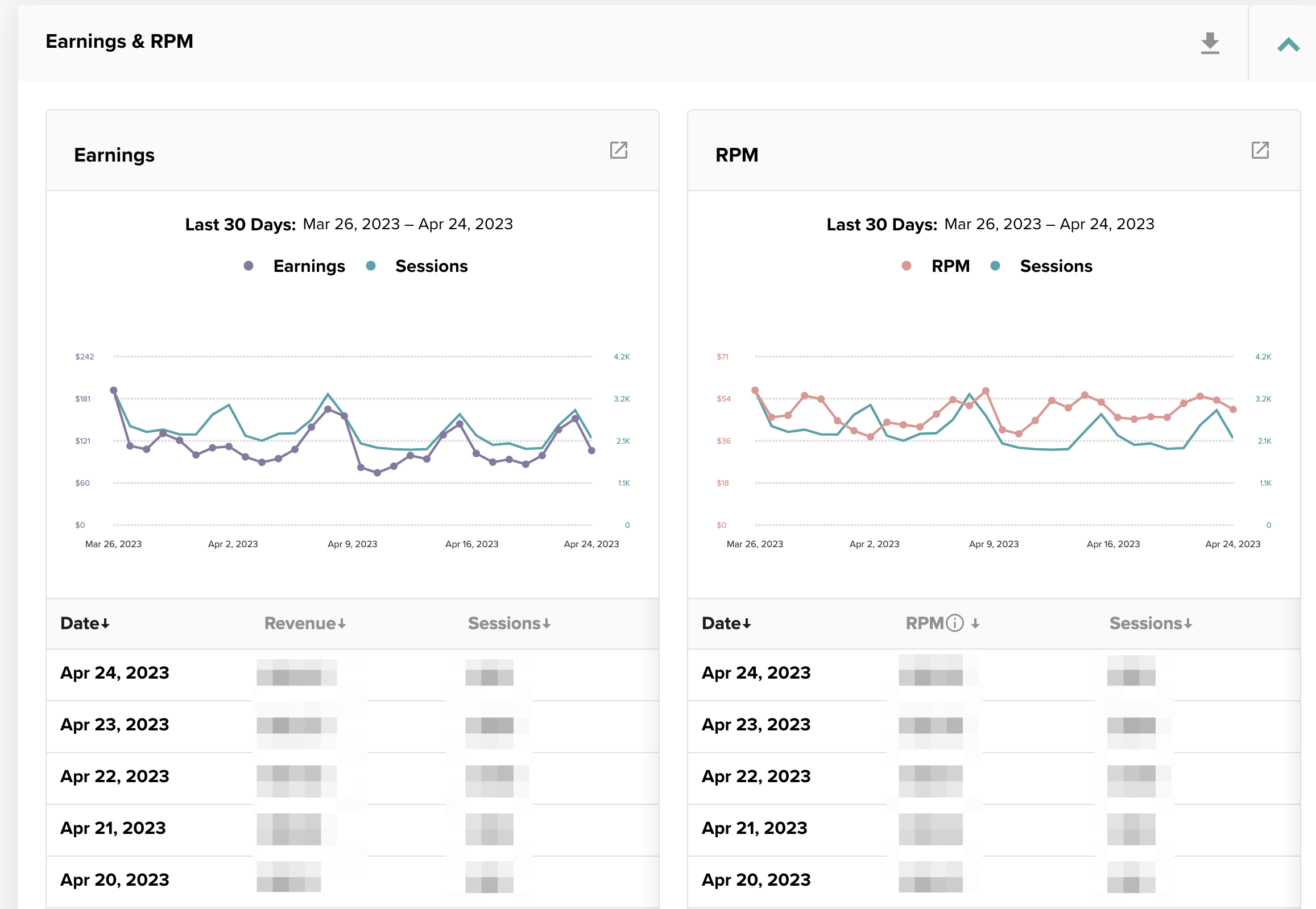
Display advertisingpays you based on traffic - typically measured as RPM (revenue per thousand pageviews). Premium ad networks like Raptive and Mediavine pay significantly more than Google AdSense, but they have traffic minimums to qualify (Mediavine requires 50,000 sessions/month; Raptive's threshold is 100,000 monthly pageviews). This means display ads are not a day-one revenue stream - they're a growth-stage revenue stream. The work you do in months one through six is what makes month twelve's ad revenue possible.
Brand sponsorshipspay you to create content featuring a product - a recipe, a tutorial, a review. For food bloggers specifically, CPG brand deals (think: pasta brands, egg brands, broth brands, baking brands) are the most common and often most lucrative category. Unlike display ads, brand deals don't require a minimum traffic threshold - they require the right audience fit and content quality. Creators with 10,000 engaged readers in a specific niche can and do land brand deals.
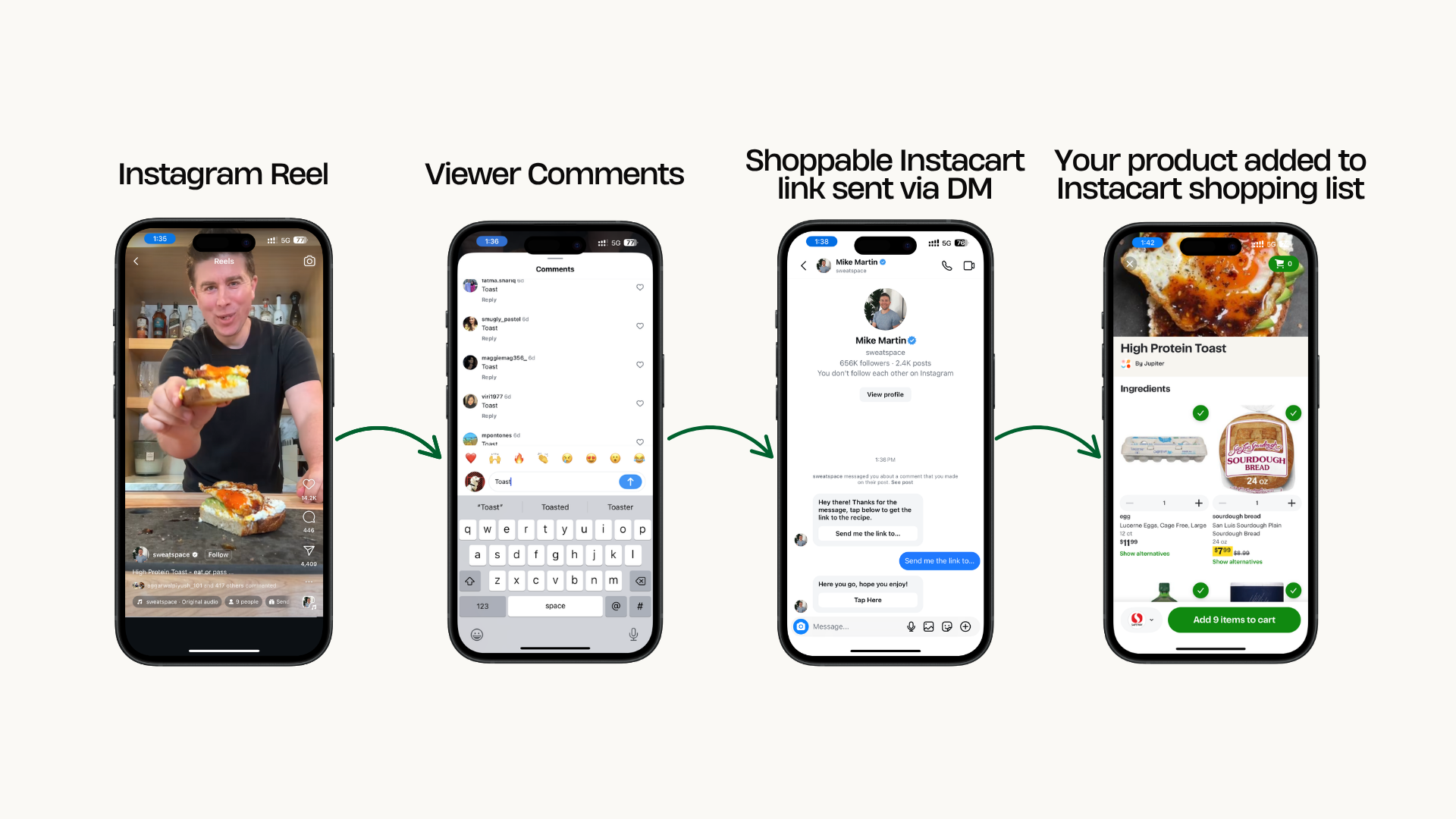
Affiliate commissionspay you a percentage of purchases your readers make after clicking your links. For food bloggers, the most relevant affiliate programs are kitchen equipment (Amazon Associates, specific cookware brands), meal kit services, specialty food retailers, and increasingly - Instacart, which pays commissions when readers shop recipe ingredients directly.
Digital products and services- ebooks, meal plans, online courses, cooking classes - pay you directly, with no traffic threshold and no brand relationship required. These take more upfront work to create but generate income independent of traffic fluctuations.
The most important thing to understand: these streams compound, not compete. The goal is not to pick one - it's to build your content and platform in a way that activates multiple streams as your audience grows. The food bloggers who earn the most are running display ads on their high-traffic evergreen content, doing brand deals in their niche, earning affiliate commissions through Instacart and equipment links, and selling a digital product to their most engaged readers.
Step 3: Choose Your Platform
Your platform choice has downstream effects on everything - SEO capability, monetization compatibility, setup complexity, and ongoing maintenance burden.
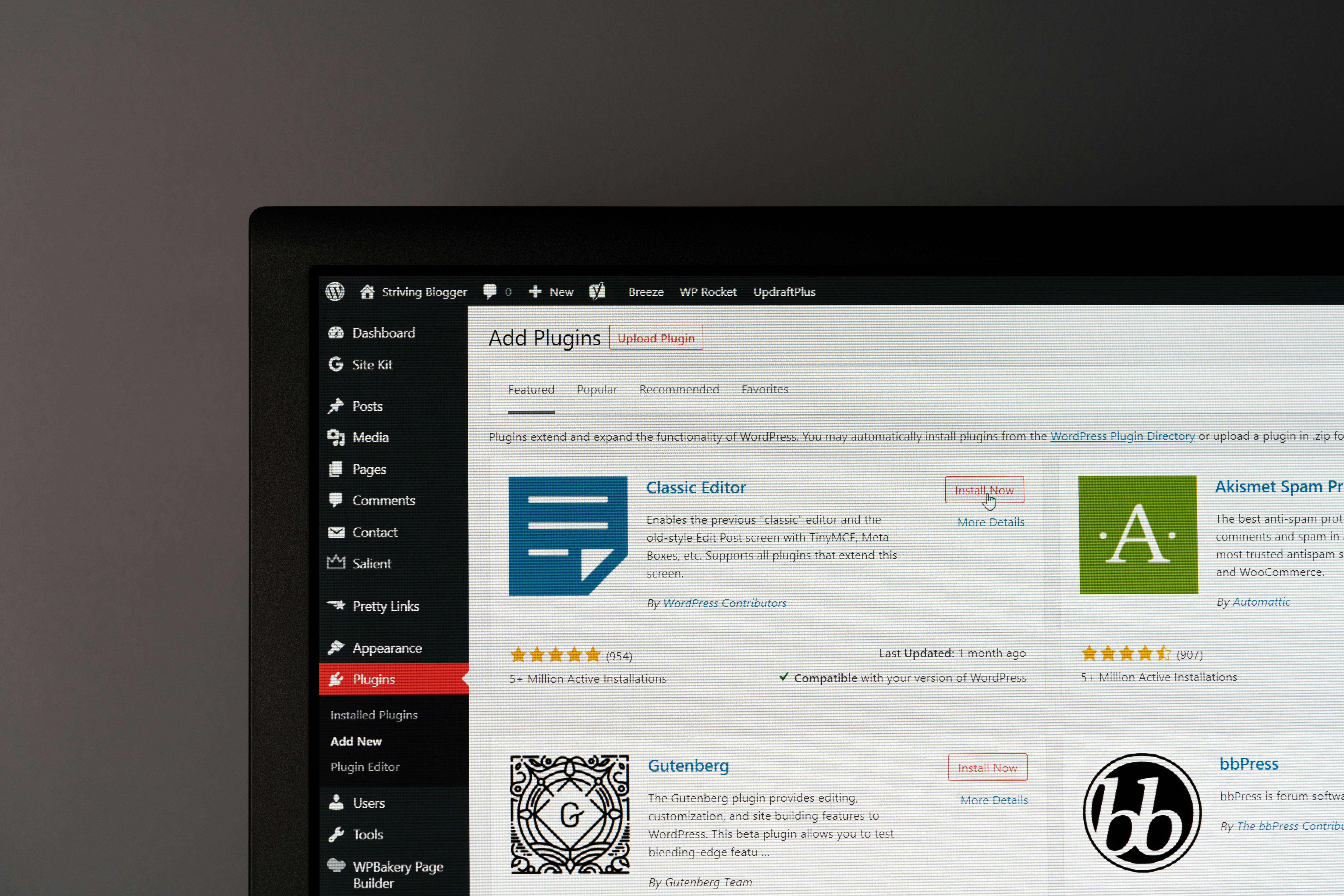
The short version: self-hosted WordPress gives you the most long-term flexibility and is where most high-traffic professional food blogs eventually land. But it requires hosting costs, a meaningful setup time investment, and ongoing technical maintenance that isn't beginner-friendly.
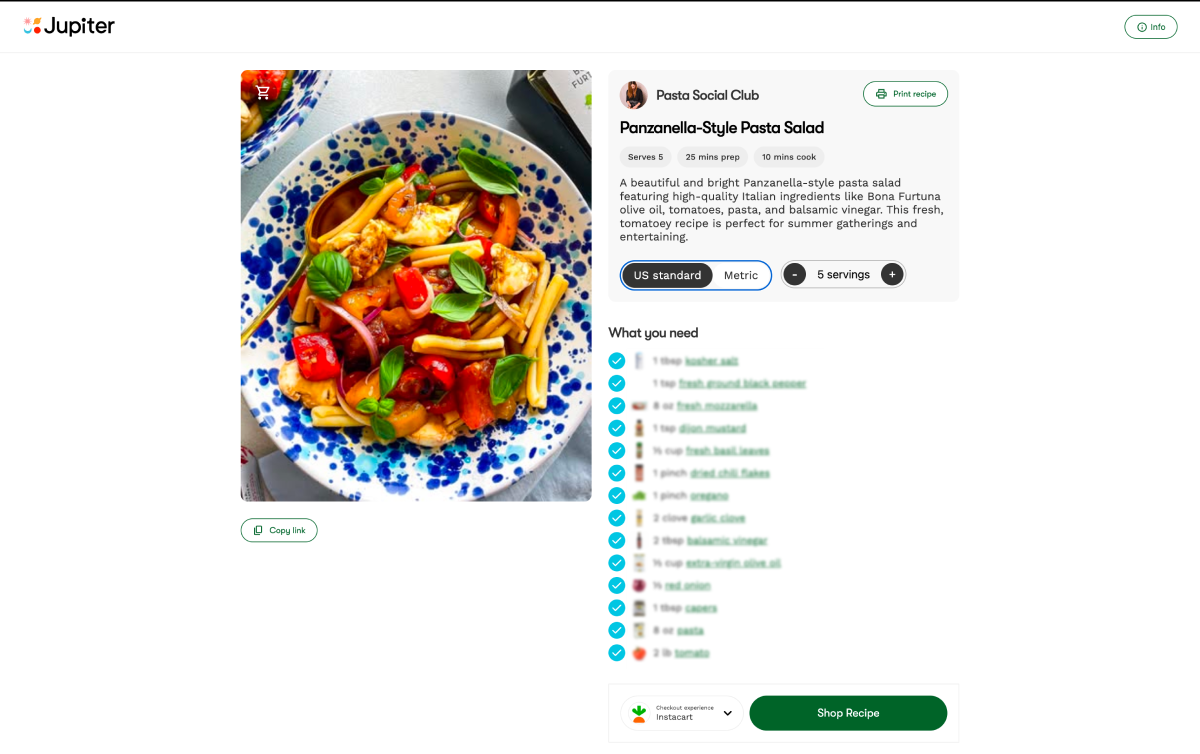
Jupiter is a purpose-built alternative specifically for food creators - a free branded recipe website with monetization infrastructure (Raptive and Mediavine ad integration, CPG brand network access, Instacart affiliate setup) built in from the start. For creators who want to skip the WordPress configuration process and get to publishing and earning faster, it removes the biggest practical barrier to starting.
We've done a full breakdown of every platform option - WordPress, Substack, Squarespace, Wix, Jupiter - in The Best Free Platforms to Start a Recipe Blog in 2026. That post covers the honest trade-offs on SEO, monetization readiness, and setup complexity so you can make the right call for where you are.
Whatever platform you choose: make sure you own your content and can export it. And set up your custom domain from day one - a professional URL matters for reader trust and for brands considering you for sponsorships.
Get Your Free Recipe Website - No Setup Required
Jupiter gives food creators a free branded recipe website with monetization built in - CPG brand network access, Instacart affiliate integration, and premium ad partnerships. No hosting costs, no plugins to configure, no monthly fee until you earn.
Step 4: Set Up the Foundations That Actually Drive Traffic
Here's the thing most beginners don't hear until they've been blogging for a year: the majority of your traffic will come from Google, not from social media. Search engine optimization isn't optional for food bloggers - it's the engine the whole business runs on.
And SEO for food blogs has specific requirements that are different from general blogging.
Recipe Schema Markup.Google has a dedicated rich result format for recipes - the cards with photos, star ratings, cook times, and ingredient lists that appear at the top of search results. To qualify for these, your recipes need to be formatted with structured data (Schema.org Recipe markup). Most recipe card plugins for WordPress handle this automatically; Jupiter's recipe format includes it. This is not optional - without it, your recipes will never appear in the rich results that drive the bulk of food blog search traffic.
Keyword research before you write, not after.Every recipe post you publish should target a specific search query that real people are typing into Google. "Banana bread recipe" has enormous competition and is essentially impossible to rank for as a new blog. "Banana bread recipe without baking soda" or "banana bread recipe with sourdough starter" are specific, lower-competition queries where a new blog can realistically rank. Get in the habit of checking search volume and competition before you decide what to write - not just writing what you feel like and hoping people find it.
Site speed.Google uses page speed as a ranking factor, and readers abandon slow sites. Images are the main culprit for slow food blogs - high-resolution recipe photos add up fast. Compress every image before uploading (tools like Squoosh are free), use next-gen formats (WebP), and make sure your platform or host handles caching.
A sensible URL structure.Keep your recipe URLs clean and descriptive: `yourblog.com/banana-bread-recipe` not `yourblog.com/2026/03/15/post-1234`. Shorter, keyword-containing URLs perform better in search and are easier for readers to remember and share.
Internal linking from day one.Every new post you publish should link to at least two or three older posts - and your older posts should get updated to link to newer relevant content. This is how Google understands the topical structure of your site and how readers discover more of your content.
Step 5: Write Content That Ranks and Converts
Food blog content in 2026 has to do two things at once: satisfy Google's ranking criteria and genuinely serve the reader who lands on your page. These are not in conflict - Google's algorithm has gotten very good at identifying content that actually helps people.
The anatomy of a high-performing recipe post:
A clear, search-intent-matching title.Not creative - specific. "Easy Weeknight Chicken Tikka Masala" tells Google and the reader exactly what this is. The keyword should appear in your H1, your URL, and your meta title.
An introduction that quickly establishes why this recipe is worth their time.Readers scan. The first paragraph should confirm they're in the right place - "this is a 30-minute version made with pantry staples" - not a 400-word personal story they have to scroll past to find the recipe.
A properly formatted recipe card with ingredients, steps, cook time, servings, and nutritional information.This is where your Schema markup lives. Every food blog platform worth using has a recipe card format - use it for every recipe, every time.
Process photos that show key steps, not just the finished dish.Food bloggers who rank well in search typically have 6-12 photos per post: the finished dish, key preparation steps, and texture/detail shots. Readers use these to know if they're doing it right. Google uses alt text on these images as additional signals for what the post is about.
Helpful supplementary content around the recipe:ingredient substitutions, storage and reheating instructions, common mistakes to avoid, what to serve with it. This is what separates a recipe post from a recipe - and it's what keeps readers on your page longer, which is a positive engagement signal to Google.
Content cadence in the early months:
Consistency matters more than frequency. One high-quality post per week, published reliably, will outperform three rushed posts some weeks and nothing others. Google's crawlers notice consistent publishing; so does your audience.
Aim to build a core library of 30-50 posts before expecting meaningful search traffic. SEO is a long game - most food blogs see their first real organic traffic surge between months 6 and 12. The work you do in month one won't pay off in month one, but it will compound.
Step 6: Build Your Email List from the Start
Social media platforms can change their algorithm, restrict your reach, or shut down. Your email list is yours - it moves with you regardless of what happens to any platform.
Start building it from day one. Every page of your site should have a visible email signup, ideally with a specific offer: a free recipe collection, a meal plan template, a shopping list. Something that gives readers a reason to hand over their email beyond "subscribe for updates."
A small, engaged email list is also a meaningful asset for brand sponsorships. Brands increasingly value direct audience relationships - a creator with 5,000 email subscribers who open and click is worth more to a CPG brand than a creator with 50,000 Instagram followers who don't engage.
Platforms like Mailchimp and Kit (formerly ConvertKit) have free tiers that are sufficient for early-stage email list building. Don't overthink the platform - getting started matters more than optimizing the tool.
Step 7: Set Up Monetization Before You Think You're Ready
The most common mistake food bloggers make with monetization: waiting until they feel "big enough" to start. There is no traffic threshold for brand deals, no minimum subscriber count for affiliate marketing, and no audience size requirement for selling a digital product. The only thing waiting accomplishes is delaying your first dollar.
Here's what to have in place from the start:
Affiliate links in every relevant post.Every recipe that features specialty ingredients, specific equipment, or pantry staples should include affiliate links to those products. Instacart affiliate integration - which lets readers shop your recipe ingredients directly - is one of the highest-converting affiliate setups for food bloggers because the intent is built into the content. Jupiter sets this up automatically for creators in its network; for self-hosted WordPress, you'll need to set up the Instacart affiliate program separately.
A rates and partnerships page.Even with a small audience, having a simple page that explains you're open to brand partnerships signals professionalism to brands who discover your content. Include your niche, audience size, and a contact email. You don't need a formal media kit from day one - a clear contact pathway is enough.
Quality over volume from the start.Brand deals are available to small creators - but only when the content quality is there. A well-photographed, well-written recipe that genuinely helps people is your best pitch for any brand partnership, even before you reach out to anyone.
1,000+ Food Creators Are Already Earning - Starting From Where You Are
Jupiter's network gives food creators access to 65+ CPG brand partnerships, Instacart affiliate integration, and premium ad networks - all in one free platform. You don't need a big audience to start. You need the right infrastructure.
Step 8: Grow Your Traffic With a Repeatable System
Once you have a publishing cadence and your technical foundations in place, growth becomes a system - not a scramble.
The content audit habit.Every three months, look at your existing posts. Which ones are getting any traffic at all? Update them: refresh the photos, expand the content, add new internal links, and resubmit to Google Search Console for recrawling. Updated content frequently outranks new content because the post already has some authority built up.
Pinterest.For food bloggers specifically, Pinterest is still a meaningful traffic channel in 2026 - particularly for evergreen recipe content. Create a Pinterest business account, design vertical images for your recipe posts (2:3 ratio works best), and publish consistently. Pinterest traffic compounds over time in a way similar to SEO - pins from two years ago can still drive traffic today.
Strategic social.Instagram and TikTok are valuable for audience building and brand visibility, but they're unreliable as a primary traffic source because they don't link out to your blog natively. Use social to build an audience and direct them to your site and email list - not as a replacement for search-driven traffic.
Interlink aggressively as your library grows.At 20 posts, you have limited opportunities to link internally. At 50 posts, you have a rich network of content that can pass authority between pages. Build a simple spreadsheet of your posts and their topics, and use it to find internal linking opportunities every time you publish something new.
Step 9: What to Expect - and When
Setting realistic expectations is the kindest thing anyone can do for a new food blogger. Here's an honest timeline:
Months 1-3:Publishing, learning, and building foundations. You'll see very little traffic from search - Google takes time to index and rank new content. Social traffic may trickle in. No meaningful revenue yet. This is normal.
Months 3-6:Early signs of life. Some posts will start to get organic search impressions even if not clicks. Your keyword targeting will improve as you see what Google is connecting you to. First affiliate commissions may appear. Brand deal opportunities may start coming in through your network if your content quality is strong.
Months 6-12:The compound effect begins. Posts you published in month one start to rank meaningfully. Traffic grows faster than it did in the first six months. Display ad income becomes worth tracking. Brand deals start to happen with more regularity if you're actively in a network like Jupiter's.
Month 12+:This is when food blogging starts to look like a business. With consistent publishing, solid SEO, and multiple monetization streams active, creators in this range typically earn anywhere from a few hundred to several thousand dollars per month depending on niche, traffic, and deal volume.
The creators who reach this point are not exceptional. They're consistent - and they set up the monetization infrastructure early rather than treating it as something to figure out later.
The One Thing That Separates Blogs That Earn From Ones That Don't
After everything above - the niche, the platform, the SEO, the content, the monetization setup - there's one thing that actually determines whether a food blog earns money.
Not talent. Not a big starting audience. Not perfect photography.
It's treating it like a business from the start.
That means writing with search intent in mind, not just cooking inspiration. It means publishing consistently even when traffic is slow. It means setting up affiliate links and a partnerships page before you feel "ready." It means being in the rooms - the networks, the platforms, the communities - where brand deals happen, rather than waiting to be discovered.
Jupiter was built for exactly this: giving food creators the infrastructure to treat their content like a business from day one. A free branded recipe site, a direct line to 65+ CPG brands, Instacart affiliate integration, and access to premium ad networks - all without the upfront cost or the months of configuration that other paths require.
The blogs that make money aren't lucky. They're set up right.
Start Your Food Blog the Right Way - For Free
Jupiter gives you a free branded recipe website with the monetization infrastructure already built in. Join 1,000+ food creators who started where you are and are now earning from their content.