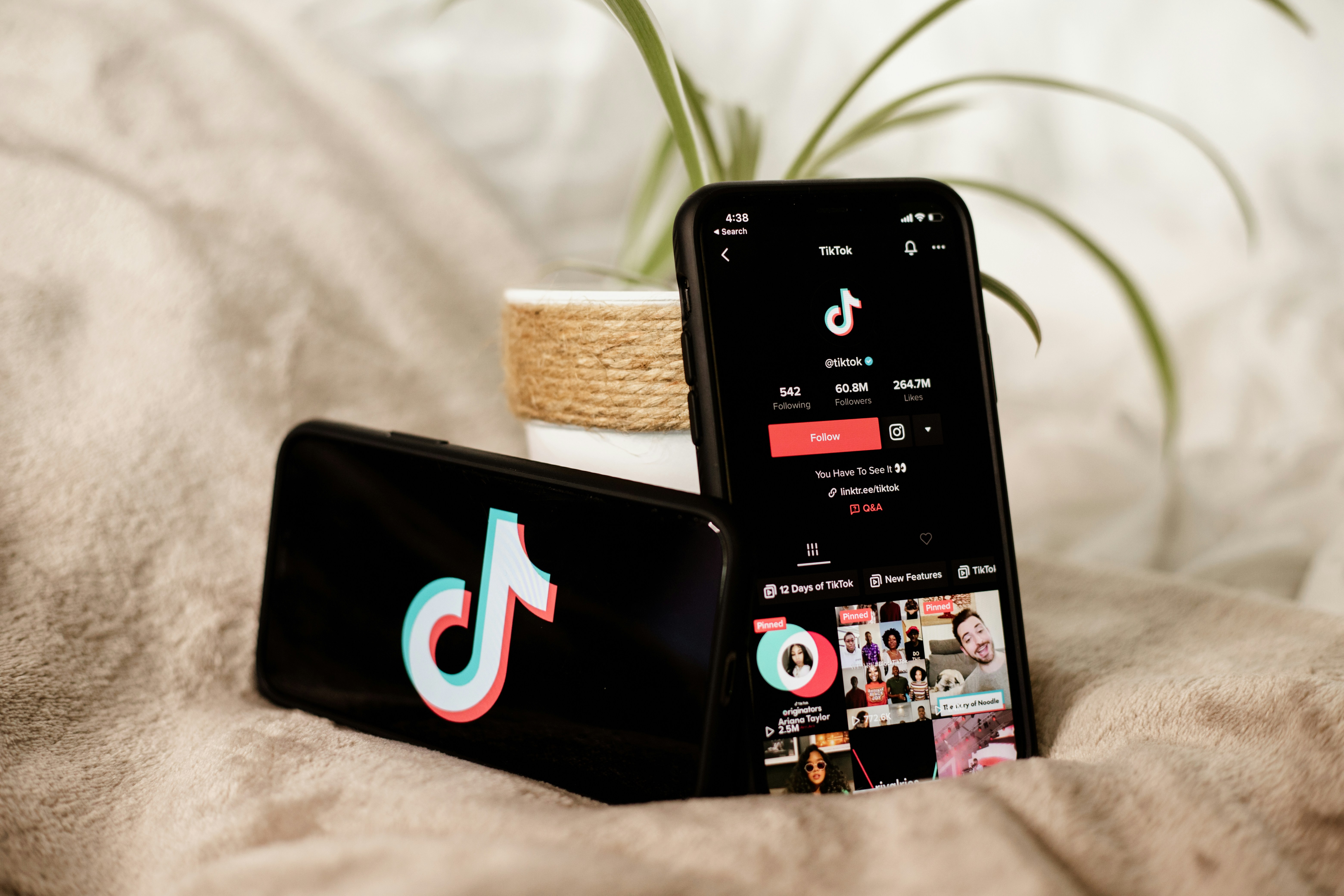
How to Start a Food TikTok Account and Get Your First 10K Followers

A step-by-step beginner's guide to starting a food TikTok account in 2026, from setting up your profile to the content formats and posting habits that actually get new creators discovered.

How to Start a Food TikTok Account and Get Your First 10K Followers hero image

On this page

โ–ผ

You posted your first video three weeks ago. Then five more. The views are stuck somewhere between 40 and 200, mostly from people you already know, and you're starting to wonder if food TikTok is already too crowded for a new account to break through.

Here's the part that should change how you think about this: TikTok was built differently from almost every other platform you've used. It doesn't care how many followers you have when it decides who sees your video. A brand-new account with zero followers can land on thousands of For You pages if the content performs, while an account with ten thousand followers can post a flop that nobody sees. That single design choice is why food TikTok is still wide open for beginners in 2026, even with millions of creators already posting recipes.

This guide walks through exactly how to set up a food TikTok account, what the algorithm actually rewards right now, and the specific habits that take a new account from zero to its first 10,000 followers.

Part 1: Set Up Your Account So It's Built to Grow

Before you worry about going viral, get the foundation right. A few setup mistakes quietly cap how far your videos can travel.

  • Pick a focused niche, not "food in general." Accounts that post one clear type of content (weeknight dinners, baking, budget meals, a specific cuisine) get matched to interested viewers faster than accounts that bounce between unrelated food content. TikTok's recommendation system groups people by interest, not by who they follow, so a clear niche helps it figure out exactly who to show you to.

  • Write a bio that tells people what they're getting." Easy 20-minute dinners for busy weeknights" does more work than "foodie ๐Ÿด" Include the kind of content you post and, if relevant, who it's for.

  • Switch to a Creator or Business account. This unlocks analytics, which you'll need almost immediately to understand what's actually working.

  • Use a clear, well-lit profile photo and a recognizable username. Inconsistent branding between TikTok, Instagram, and a blog (if you have one) makes it harder for people to find and remember you across platforms.

  • Claim your link in bio early, even before you have anywhere meaningful to send people. TikTok only gives you one link, so plan to point it somewhere that converts interest into something durable, not just another social profile.

That last point matters more than it sounds. Every food creator eventually deals with the same problem: TikTok followers belong to TikTok, not to you. If the app changes its algorithm, restricts a feature, or simply moves on to the next trend, the audience you built can lose value overnight. The creators who weather platform shifts well are usually the ones who started funneling TikTok attention toward something they own, like an email list or a recipe website, from very early on.

Don't wait until you have 100K followers to start earning.

TikTok's Creator Fund and Shop features gate payouts behind follower and engagement thresholds that take most creators months, sometimes years, to clear. Jupiter connects food creators with 65+ CPG brands, including Banza, Pete and Gerry's, Bonafide Provisions, and General Mills, for paid partnerships that don't require a massive following first.

Part 2: What the TikTok Algorithm Actually Rewards in 2026

A lot of advice floating around food TikTok is outdated. The platform has tightened its standards, and understanding the current rules saves you from optimizing for the wrong things.

  • Completion rate is the single biggest signal. TikTok now expects roughly 70% of viewers to watch a video most of the way through before it considers boosting distribution, up sharply from a few years ago. That means the first few seconds need to earn the rest of the watch, every single time.

  • New videos get follower-tested first. A fresh upload is typically shown to a small slice of your existing audience before TikTok decides whether to push it further. If your current followers don't engage, the video usually stops there. This is one more reason follower quality matters more than follower count: an engaged audience of 500 can outperform a passive audience of 50,000 in getting new content seen.

  • The hook has to land in the first two to three seconds. Open with the finished dish, a bold claim, or a visual that creates a question in the viewer's head. Slow intros, logos, or "hey guys" preambles cost you the exact seconds the algorithm weighs most heavily.

  • Originality is actively rewarded, and reposting is actively suppressed. TikTok's systems are tuned to detect recycled, watermarked, or mass-produced content and quietly limit its reach. Filming your own version of a trend, even a simple one, performs meaningfully better than reposting someone else's clip.

  • TikTok functions as a search engine now. A large share of Gen Z users search TikTok the way older generations search Google. Use your actual target keywords (the dish name, the technique, "easy," "budget," "5 ingredients") in your spoken audio, on-screen text, and caption, not just in hashtags. The algorithm reads all of it to decide who to show your video to.

  • Hashtags help, but only specific ones. Generic tags like #fyp do little. Three to five specific, descriptive hashtags ("#onepotpasta," "#mealprepideas") outperform a long list of broad ones because they tell the algorithm exactly which niche audience to match you with.

Part 3: Content Formats That Work for New Food Creators

You don't need a ring light, a tripod system, or editing software with a learning curve. TikTok's own data consistently shows that audiences respond to a less polished, more authentic look over highly produced content. What you do need is a small set of formats you can repeat reliably.

  • The 15-to-30-second build. Raw ingredients on screen, then quick cuts straight through to the finished plated dish. Close-ups, satisfying sounds (sizzling, pouring, chopping), and a fast pace. This is the single most repeatable format in food content and a strong starting point for a new account.

  • The before-and-after transformation. Open on something unglamorous (a sad-looking ingredient, a messy pantry, a basic protein) and cut to the elevated result. The contrast creates the curiosity that drives full watch-throughs.

  • The behind-the-scenes hack or secret. A quick technique, ingredient swap, or shortcut framed as something most people don't know. This format tends to drive comments and shares, both of which carry serious algorithmic weight.

  • Duets and stitches with creators in your niche. Responding to or building on another food creator's video borrows some of their momentum while putting your own spin in front of a related audience, an efficient way to get discovered early on.

Whatever formats you settle on, post consistently. Three to five times a week is the range most creators land in to stay visible to the algorithm without burning out. Consistency, more than any single viral hit, is what compounds into a real following.

Every TikTok view should be working for you twice.

A free Jupiter recipe website turns the recipes you're already filming into a searchable, ad-monetized blog with built-in Instagram and TikTok DM automation. Instead of views that disappear into the feed, your TikTok content starts feeding a destination you actually own and that pays you through Mediavine and Raptive ad networks on top of any brand work.

Part 4: From Zero to 10,000: What the Climb Actually Looks Like

Growth on TikTok rarely happens in a straight line. Most new food accounts see a handful of slow weeks, then a video that overperforms for reasons that aren't always obvious, followed by another quiet stretch. A few habits make that climb faster and steadier.

  • Reply to every comment for as long as you can manage it. Comments are one of the strongest engagement signals, and replying often prompts a second round of replies, which extends the conversation TikTok is measuring.

  • Go live occasionally once you have a small base. Real-time cooking sessions, taste tests, or simple Q&As build a different kind of relationship with your audience and tend to get rewarded with extra visibility, especially when comment quality is high.

  • Watch your analytics, not your vanity metrics. Views and likes feel good, but average watch time and completion rate are what predict whether your next video gets distributed. If a format consistently holds attention, do more of it before chasing something new.

  • Treat your first 1,000 followers differently than your next 9,000. Early followers are often people who found you through a specific video; engage with them directly, since they're disproportionately likely to share your future content into their own networks. After that, consistency and format repetition do most of the remaining work.

  • Cross-post strategically, not lazily. If you're also building an Instagram presence, a recipe blog, or both, repurpose your TikTok content rather than starting from scratch on every platform. Just adapt the format (captions, pacing, aspect ratio) for each one rather than uploading identical files everywhere, since TikTok's originality detection can flag content that looks recycled even when it's your own.

Part 5: Turning Followers Into Income, Without Waiting on TikTok's Thresholds

TikTok's own monetization tools (the Creator Fund, Creator Rewards Program, TikTok Shop) all gate payouts behind follower counts, watch-time minimums, or engagement thresholds that take most beginners months to reach, if they reach them at all. We cover how to get paid on TikTok beyond those built-in programs in detail in a separate guide, since it deserves its own deep dive.

What's worth knowing as a beginner is this: brand partnerships don't have the same gatekeeping. CPG brands and food companies are often more interested in engagement rate, content quality, and niche fit than raw follower count, which means a focused, fast-growing account with a few thousand followers can land paid work well before it qualifies for TikTok's own payout programs.

This is the gap Jupiter is built to close. Instead of waiting on TikTok's internal thresholds, food creators on Jupiter get matched directly with CPG brand sponsorships, often while their follower count is still in the thousands rather than the hundreds of thousands.

1,000+ food creators are already earning through Jupiter.

Jupiter has helped food creators collectively earn $3M+ through brand partnerships, ad network access, and Instacart commerce, all free to join. Whether you're three months into TikTok or three years into food blogging, Jupiter matches you with the income streams that fit where you are right now.

FAQs

Quick answers to common questions.

Do I need expensive equipment to start a food TikTok account?+

No. TikTok's own data shows audiences tend to respond better to a less polished, more authentic look than to highly produced content. A smartphone, decent lighting (natural light near a window works well), and a basic understanding of pacing and hooks will take you further than expensive gear.

How often should I post as a beginner?+

Three to five times a week is the range most growing food accounts settle into. Consistency matters more than volume. Posting daily with rushed, low-effort videos tends to underperform posting four well-made videos a week.

Does follower count actually matter on TikTok?+

Less than on most platforms, especially for discovery. TikTok's recommendation system is built around matching content to interested viewers rather than showing videos only to existing followers, which is why new accounts can outperform established ones on a single video. Follower count starts to matter more once you're pursuing brand deals or platform monetization programs with built-in thresholds.

What's the fastest way to get to 10,000 followers?+

There's no shortcut that bypasses consistency, but the formats that move fastest for new food creators tend to be quick step-by-step recipe builds, before-and-after transformations, and niche-specific hooks in the first two to three seconds. Pair that with replying to comments and posting three to five times a week.

Can I make money on TikTok before I hit 10,000 followers?+

Yes, particularly through brand partnerships, which generally care more about engagement and niche fit than raw follower count. TikTok's own Creator Fund and Shop programs require meeting specific thresholds first, but brand deals through platforms like Jupiter are available to creators much earlier in their growth.

Related Posts

Browse more from our blog.

How to Get Brand Deals as a Food Creator (Even with a Small Audience) thumbnail

How to Get Brand Deals as a Food Creator (Even with a Small Audience)

You don't need 100k followers to land paid brand partnerships. Here's the step-by-step playbook food creators are using in 2026 to get sponsored - from building a pitch-ready profile to closing deals with CPG brands that actually pay well.

6/12/2026

How Food Bloggers Make Money in 2026: Every Revenue Stream Explained thumbnail

How Food Bloggers Make Money in 2026: Every Revenue Stream Explained

From display ads to brand deals to Instacart commissions - here's an honest breakdown of every income stream available to food creators in 2026, and how the smartest ones are stacking all of them at once.

6/12/2026

The Creator Growth Playbook: How to Turn Your Audience Into a Sustainable Business thumbnail

The Creator Growth Playbook: How to Turn Your Audience Into a Sustainable Business

A practical, no-fluff guide for creators who want to grow beyond views and turn their audience into recurring revenue โ€” using brand deals, ad networks, commerce, and owned channels.

4/27/2026

The Most Profitable Food Blog Niches in 2026 (Ranked by Earning Potential) thumbnail

The Most Profitable Food Blog Niches in 2026 (Ranked by Earning Potential)

A ranked look at the most profitable food blog niches in 2026, from keto to meal prep to budget cooking, based on ad RPM, brand deal availability, and affiliate potential.

7/8/2026

ManyChat for Food Bloggers: Is It Worth It in 2026? thumbnail

ManyChat for Food Bloggers: Is It Worth It in 2026?

A feature-for-feature look at ManyChat's 2026 pricing for food creators, what it actually costs once your Reels go viral, and how Jupiter's built-in DM automation compares for free.

7/8/2026

Pinterest SEO for Recipes: How to Rank Your Pins in 2026 thumbnail

Pinterest SEO for Recipes: How to Rank Your Pins in 2026

A technical guide to Pinterest SEO for food bloggers in 2026: keyword placement, Rich Pins setup, board structure, and the ranking signals that actually move recipe pins.

7/2/2026

How to Get Paid on TikTok as a Food Creator (Beyond the Creator Fund) thumbnail

How to Get Paid on TikTok as a Food Creator (Beyond the Creator Fund)

A reality check on TikTok's Creator Rewards Program, plus every other way food creators actually earn on TikTok: brand deals, TikTok Shop, LIVE gifts, and proper disclosure.

6/29/2026

Pinterest for Food Bloggers: How to Drive Massive Traffic to Your Blog thumbnail

Pinterest for Food Bloggers: How to Drive Massive Traffic to Your Blog

Learn how food bloggers use Pinterest to drive consistent, compounding traffic in 2026: board strategy, pin design, posting cadence, and turning pins into income.

6/29/2026

How to Grow Your Food Instagram Page: A Creator's Playbook thumbnail

How to Grow Your Food Instagram Page: A Creator's Playbook

A practical playbook for growing a food Instagram page in 2026, from Reels strategy to Stories and collabs, plus how to turn followers into blog traffic that actually pays.

6/23/2026

Instagram DM Automation for Food Creators: More Traffic, More Sales thumbnail

Instagram DM Automation for Food Creators: More Traffic, More Sales

How comment-to-DM automation works on Instagram, what Meta actually allows, and how food creators use it to turn recipe comments into blog traffic and sales.

6/22/2026

What is RPM and How Do Food Bloggers Maximize It? thumbnail

What is RPM and How Do Food Bloggers Maximize It?

RPM explained for food bloggers: what's a good Mediavine RPM, why it swings seasonally, and the real ways to increase it, plus the income that has no RPM ceiling.

6/22/2026

Mediavine Requirements in 2026: How to Qualify (and What to Do First) thumbnail

Mediavine Requirements in 2026: How to Qualify (and What to Do First)

Mediavine's 2026 requirements explained: the $5,000 revenue threshold, the Journey on-ramp at 1,000 sessions, the application steps, and what to do while you wait.

6/22/2026

Best Recipe Card Plugins for Food Bloggers: Ranked for 2026 thumbnail

Best Recipe Card Plugins for Food Bloggers: Ranked for 2026

Comparing the best recipe card plugins for WordPress in 2026: Tasty Recipes, WP Recipe Maker, Feast, and a free alternative. Find out which is right for your food blog.

6/18/2026

Recipe Schema Markup Explained: Get Rich Results for Your Food Blog thumbnail

Recipe Schema Markup Explained: Get Rich Results for Your Food Blog

Learn what recipe schema markup is, why it matters for food blog SEO, and how to implement it correctly to get rich results on Google without touching code.

6/18/2026

Food Blog SEO: How to Get Your Recipes to Rank on Google in 2026 thumbnail

Food Blog SEO: How to Get Your Recipes to Rank on Google in 2026

A complete guide to food blog SEO in 2026: keyword research, recipe schema, site speed, internal linking, and the technical foundations that get your recipes ranking on Google.

6/18/2026

How to Create a Food Blogger Media Kit (Free Template Inside) thumbnail

How to Create a Food Blogger Media Kit (Free Template Inside)

Learn exactly what to put in a food blogger media kit, grab a free template, and find out how to keep your numbers current so brands take you seriously from the first pitch.

6/17/2026

The Best Free Platforms to Start a Recipe Blog in 2026 thumbnail

The Best Free Platforms to Start a Recipe Blog in 2026

WordPress, Substack, Squarespace, Wix - there's no shortage of places to start a recipe blog. But free to start and free to grow are very different things. Here's how the major platforms actually stack up for food creators who want to make money from their content.

6/16/2026

How to Start a Food Blog in 2026 (That Actually Makes Money) thumbnail

How to Start a Food Blog in 2026 (That Actually Makes Money)

Most food blog guides tell you how to set up a website. This one tells you how to build a business. Here's exactly how to start a food blog in 2026 - from your first post to your first dollar - without wasting months on things that don't move the needle.

6/16/2026

How to Land CPG Brand Deals as a Food Creator thumbnail

How to Land CPG Brand Deals as a Food Creator

CPG brand partnerships are the most lucrative sponsorship category for food creators - but most brands aren't on Instagram DMs waiting for your pitch. Here's exactly how the deals actually happen, with real brand examples.

6/16/2026

Is Food Blogging Profitable? An Honest Answer for New Creators thumbnail

Is Food Blogging Profitable? An Honest Answer for New Creators

The honest answer is yes - but with important caveats most "success story" posts leave out. Here's what the profitability timeline actually looks like, what separates bloggers who earn from those who don't, and why the "it takes years" myth is only half true.

6/12/2026

How to Get Brand Deals as a Food Creator (Even with a Small Audience) thumbnail

How to Get Brand Deals as a Food Creator (Even with a Small Audience)

You don't need 100k followers to land paid brand partnerships. Here's the step-by-step playbook food creators are using in 2026 to get sponsored - from building a pitch-ready profile to closing deals with CPG brands that actually pay well.

6/12/2026

How Food Bloggers Make Money in 2026: Every Revenue Stream Explained thumbnail

How Food Bloggers Make Money in 2026: Every Revenue Stream Explained

From display ads to brand deals to Instacart commissions - here's an honest breakdown of every income stream available to food creators in 2026, and how the smartest ones are stacking all of them at once.

6/12/2026

The Creator Growth Playbook: How to Turn Your Audience Into a Sustainable Business thumbnail

The Creator Growth Playbook: How to Turn Your Audience Into a Sustainable Business

A practical, no-fluff guide for creators who want to grow beyond views and turn their audience into recurring revenue โ€” using brand deals, ad networks, commerce, and owned channels.

4/27/2026

The Most Profitable Food Blog Niches in 2026 (Ranked by Earning Potential) thumbnail

The Most Profitable Food Blog Niches in 2026 (Ranked by Earning Potential)

A ranked look at the most profitable food blog niches in 2026, from keto to meal prep to budget cooking, based on ad RPM, brand deal availability, and affiliate potential.

7/8/2026

ManyChat for Food Bloggers: Is It Worth It in 2026? thumbnail

ManyChat for Food Bloggers: Is It Worth It in 2026?

A feature-for-feature look at ManyChat's 2026 pricing for food creators, what it actually costs once your Reels go viral, and how Jupiter's built-in DM automation compares for free.

7/8/2026

Pinterest SEO for Recipes: How to Rank Your Pins in 2026 thumbnail

Pinterest SEO for Recipes: How to Rank Your Pins in 2026

A technical guide to Pinterest SEO for food bloggers in 2026: keyword placement, Rich Pins setup, board structure, and the ranking signals that actually move recipe pins.

7/2/2026