Do Food Bloggers Need a Website? What You Lose Without One
You can grow a food audience on Instagram or TikTok alone, but you rent that audience. Here's what a recipe site adds in ad income, search traffic and email, how it compares with a link-in-bio page, and when staying social-only is fine.
Do food bloggers need a website? Not to start, but most need one to earn steadily. A recipe site lets you earn display ad income, rank recipes in Google search, collect email subscribers and send followers to shoppable ingredient lists. Social-only creators depend on brand deals and platform payouts they don't control.
Key takeaways
- A recipe website adds three income routes social apps can't give you directly: display ads, search traffic and an email list you own.
- Google shows recipe rich results from structured data on web pages, so recipes that live only in captions can't appear there.
- A link-in-bio page is a menu of links, while a recipe site holds the full recipe, the ads and the shoppable ingredient list on one page.
- Instagram-only works when your income is mostly brand deals and you accept the platform's reach changes.
- The fastest route is a hosted recipe site that turns posts you already made into recipe pages, rather than building a theme from scratch.
Do food bloggers need a website? If you're growing on Instagram or TikTok, it's easy to think the answer is no. Your audience is there, brands find you there, and posting is fast.
Our point of view: social apps are where people find you, and a website is where you get paid for it repeatedly. You can start without one, but most food creators who earn steadily end up with a recipe site of their own.
What do you lose without a website?
Without a website, you give up three income routes that social apps can't hand you directly.
Without a site | With a recipe site |
|---|---|
No display ad income on your recipes | Ads on every recipe page, earning per visit |
Recipes can't show in Google recipe results | Recipe pages with schema can appear in search |
Followers belong to the app | An email list you own and can reach any time |
"Recipe in comments" posts that readers lose | A permanent page per recipe, easy to share and save |
Income tied to brand budgets | Several streams that keep running between deals |
The search point matters most for food. Google's recipe structured data guide explains how recipe pages earn rich results with images, ratings and cook times. A recipe in a caption has no way to show up there.
Do food bloggers need a website to earn from ads?
Yes, display ad income needs a page to show ads on. Every reader who opens a recipe page adds ad impressions, and the earnings add up across your whole archive.
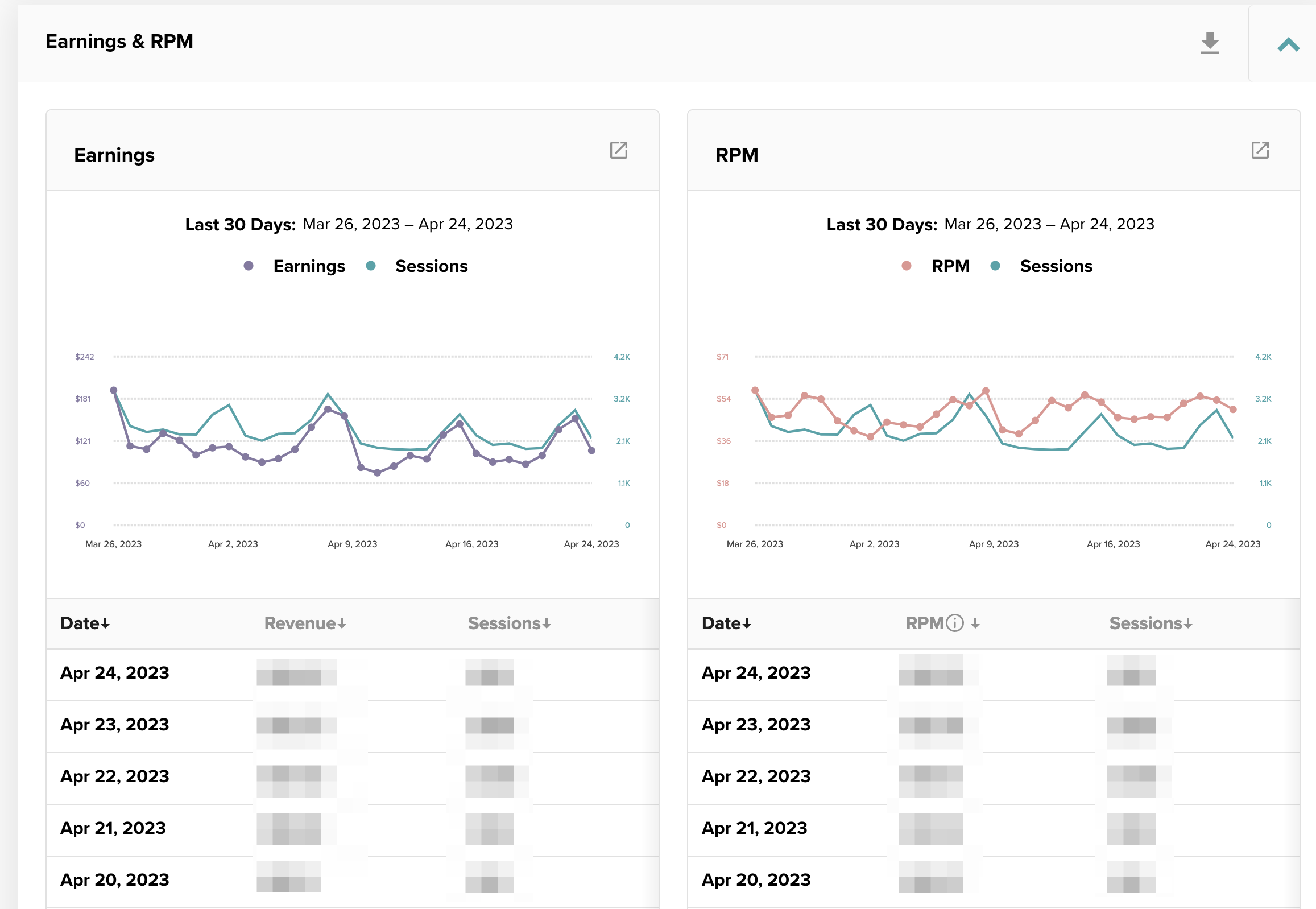
The number to watch is RPM, your earnings per 1,000 sessions or page views. It varies with niche, season and where your readers live. Our guide to RPM for food bloggers explains how to measure and raise it.
Many ad networks have entry requirements. See Mediavine requirements for 2026 for what one major network asks for.
Why an email list needs a website
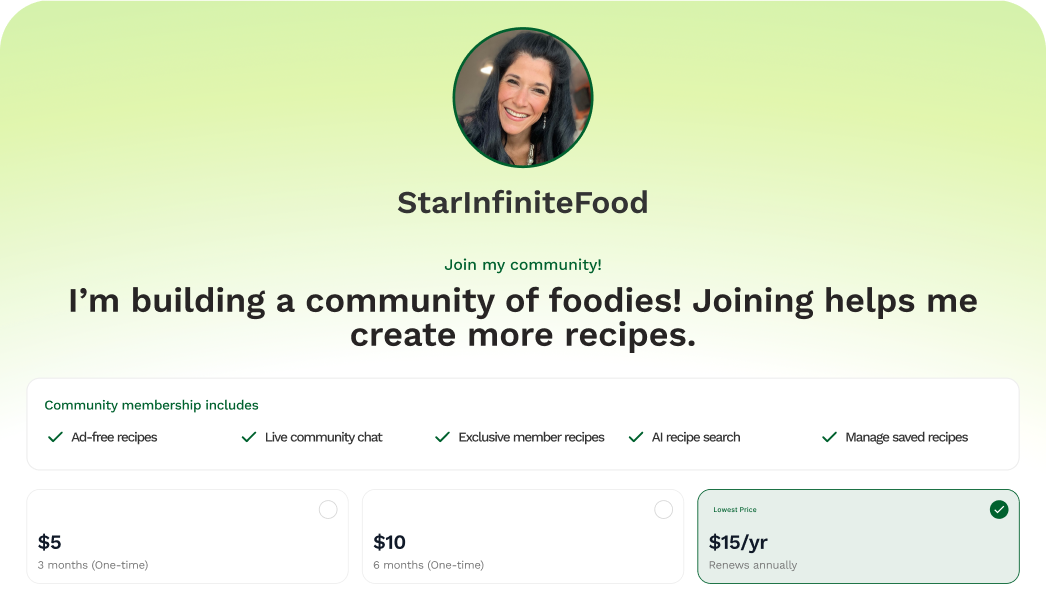
An email list is the one audience no app can take away. To build one, you need a place to collect sign-ups, and a recipe page is the natural spot: a reader who just saved your lasagna is the reader most likely to want next week's recipe.
Social apps decide how many followers see each post. An email goes to every subscriber's inbox, so a new recipe can reach your most loyal readers the day it goes live. That steady return traffic also lifts ad income on the site.
Link-in-bio vs a real recipe site
A link-in-bio page is a menu. A recipe site is the meal.
Link-in-bio tools are good for listing a few destinations from your profile. They don't hold the full recipe, they don't carry ads on that recipe, and they don't give each dish its own page that can rank in Google.
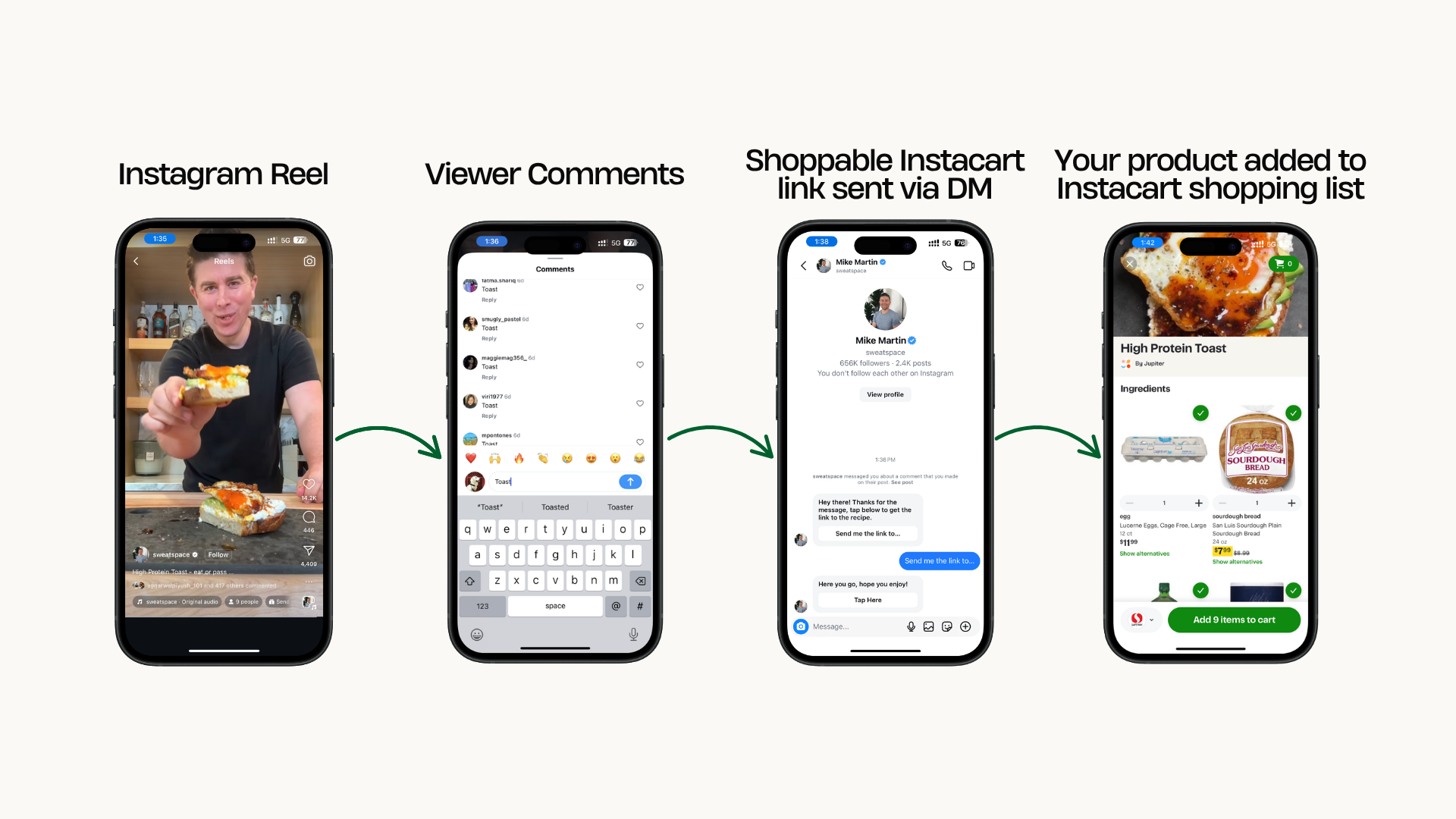
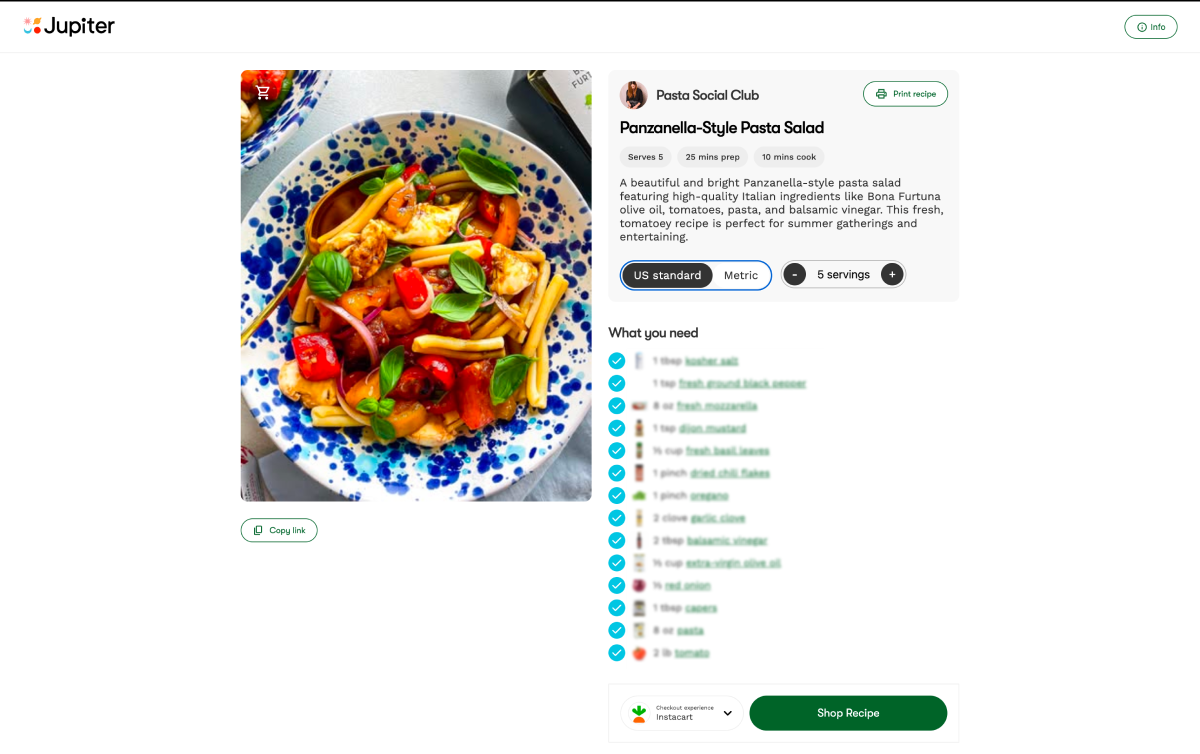
A recipe site does all of that on one page: the method, the photos, the ads, and a shoppable ingredient list readers can send to a grocery cart. The two can work together, with the bio link pointing straight to recipe pages.

Get a recipe site without building one
Jupiter turns the recipes you already post into recipe pages with schema, on jupiter.recipes or your own blog.
What is the fastest way to get a site live?
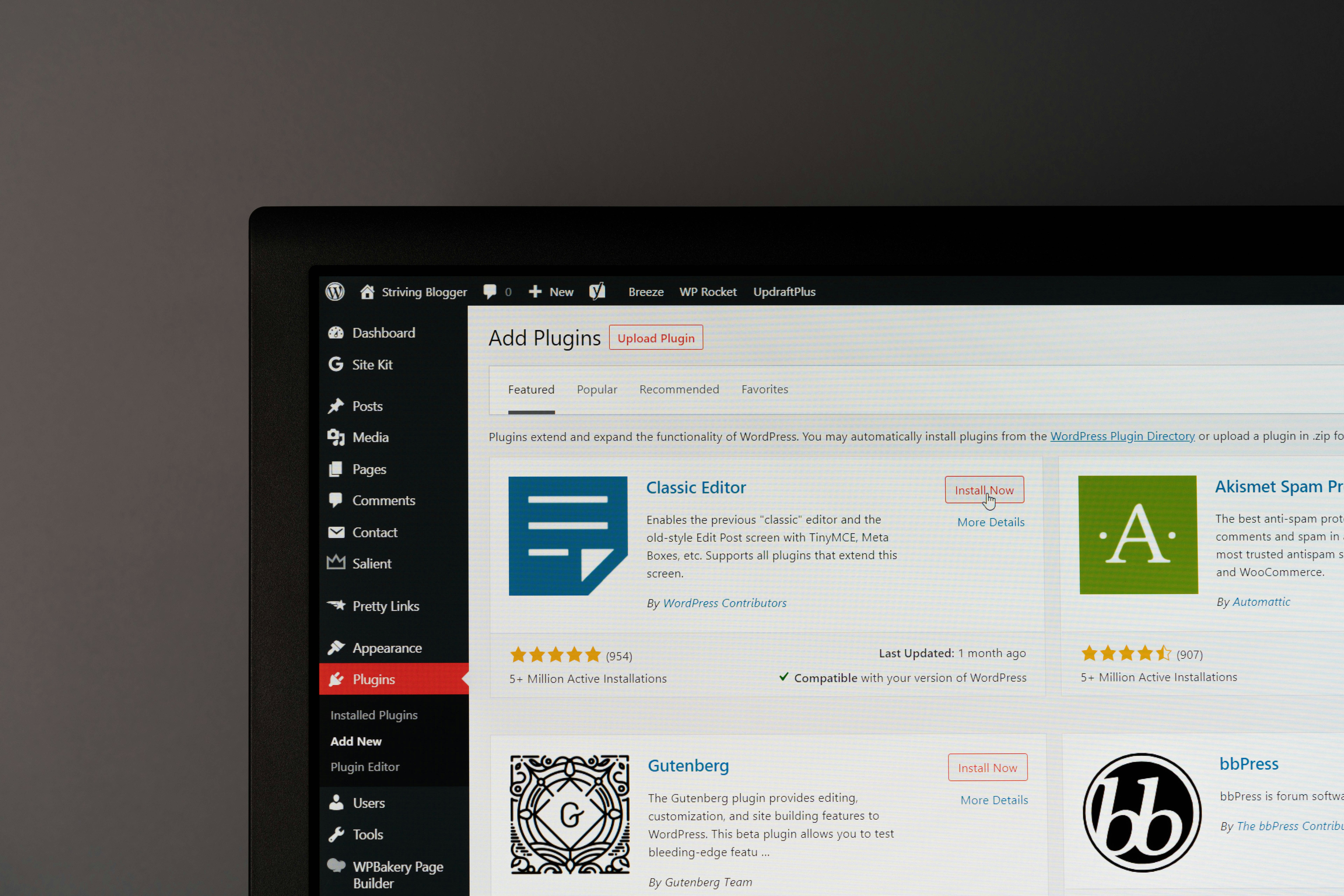
The fastest way is a hosted platform built for recipes. Building a theme yourself means choosing hosting, a recipe card plugin, schema settings, ad setup and image sizes before you publish anything.
If you want to compare options, our guide to the best free platforms to start a recipe blog covers the trade-offs. For the full setup from scratch, see how to start a food blog and make money.
Whichever route you pick, start with the recipes your followers already ask for. Those pages have built-in demand from day one.
When is Instagram-only fine?
Staying social-only is a fair choice in a few cases:
Most of your income is brand deals, and you're happy for it to stay that way.
You post food content that isn't recipes, such as restaurant reviews or travel.
You're testing whether you enjoy creating before you commit more time.
Even then, keep a backup. An email list, even a small one, means a reach change or a lost account doesn't erase your audience. Google's guidance on creating helpful content is also worth reading before you write your first recipe pages.
How a website fits your growth plan
A website works best as part of a system: social posts bring new people in, recipe pages earn from them, and email brings them back. The creator growth playbook shows how the pieces connect.
How Jupiter fits into this
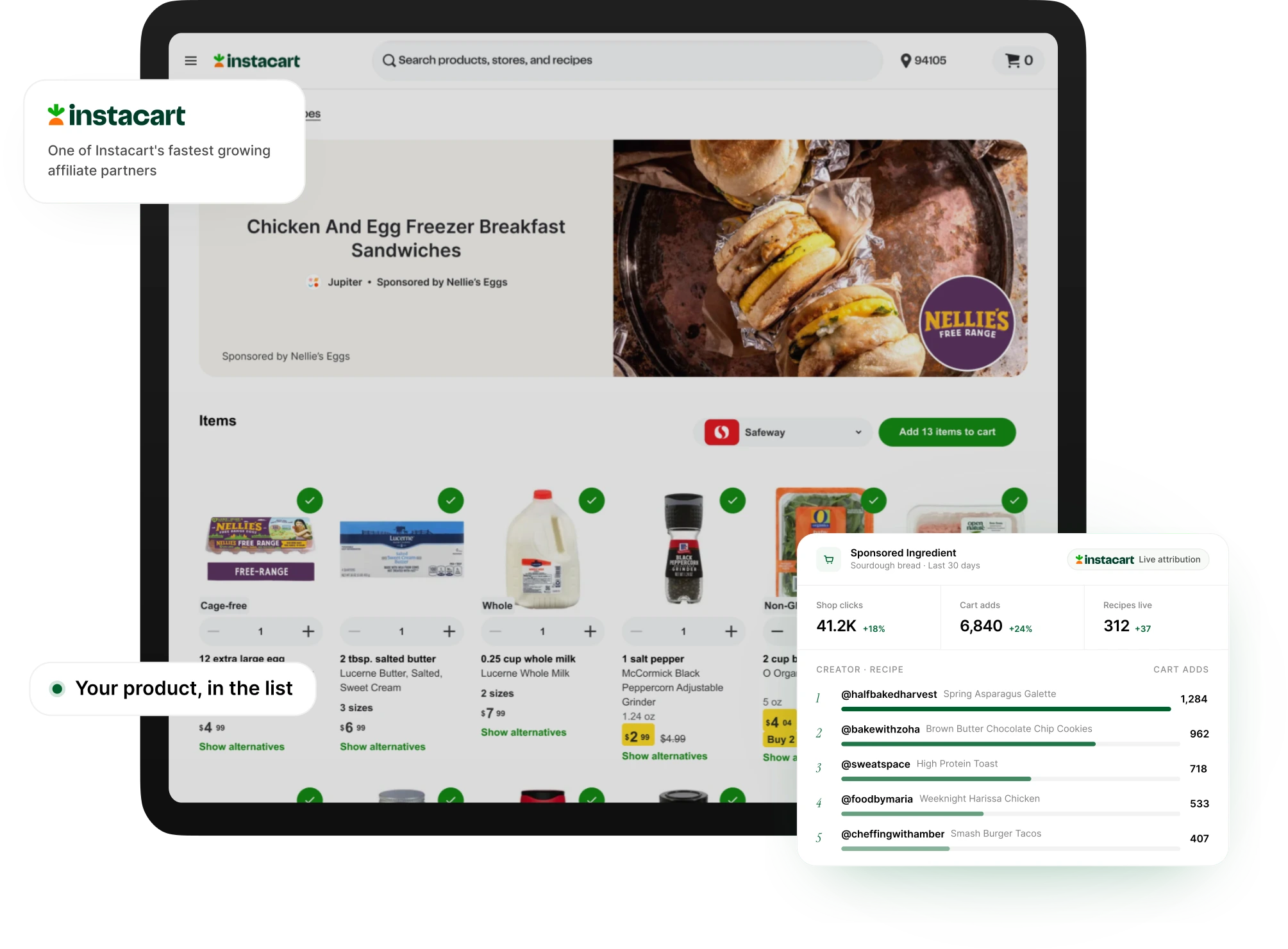
Jupiter gives food creators a recipe site on jupiter.recipes, or connects an existing blog, with recipe pages and schema created from the content you already post. Automatic DMs send followers a shoppable ingredient list, and you earn commission on what they buy.
Jupiter also offers Raptive, Mediavine and Meta ad inventory with no traffic minimum, plus brand campaigns. See what Jupiter offers creators, or join Jupiter free. There's no follower minimum and it isn't exclusive.
Join Jupiter and get your recipe site
Get recipe pages, grocery commissions and brand campaigns built around the content you already shoot.
FAQs
Quick answers to common questions.
Can you be a food blogger without a website?▼
Yes. Many food creators start on Instagram or TikTok and earn from brand deals. A website becomes important when you want ad income, Google search traffic, an email list or a place to send followers who ask for the recipe.
How much does a recipe website earn per 1,000 visitors?▼
It depends on your RPM, which is what you earn per 1,000 sessions or page views from ads and other sources. RPM varies with niche, season, reader location and ad setup, so measure your own rather than relying on someone else's figure.
Is a link-in-bio page enough for a food creator?▼
It's fine for pointing to a few links. It doesn't hold full recipes, show recipe rich results in Google, or carry display ads on the recipe itself, so it can't replace a recipe site.
What is the fastest way to start a food website?▼
Use a hosted platform built for recipes so you don't have to set up themes, plugins and schema yourself. Jupiter can create recipe pages from the content you already post on a jupiter.recipes site, or connect a blog you already run.
Do I need lots of traffic before a website is worth it?▼
No. Some ad networks have traffic minimums, but Jupiter offers Raptive, Mediavine and Meta ad inventory with no traffic minimum, so a new recipe site can start earning from its first readers.
Related Posts
Browse more from our blog.