Food Creator Membership Platform: How to Pick and Launch
A paid membership can turn your most loyal followers into steady monthly income. Here's what food fans will pay for, how the main membership platforms compare on fees, how to set tiers, how to launch to the audience you have, and how to keep members.
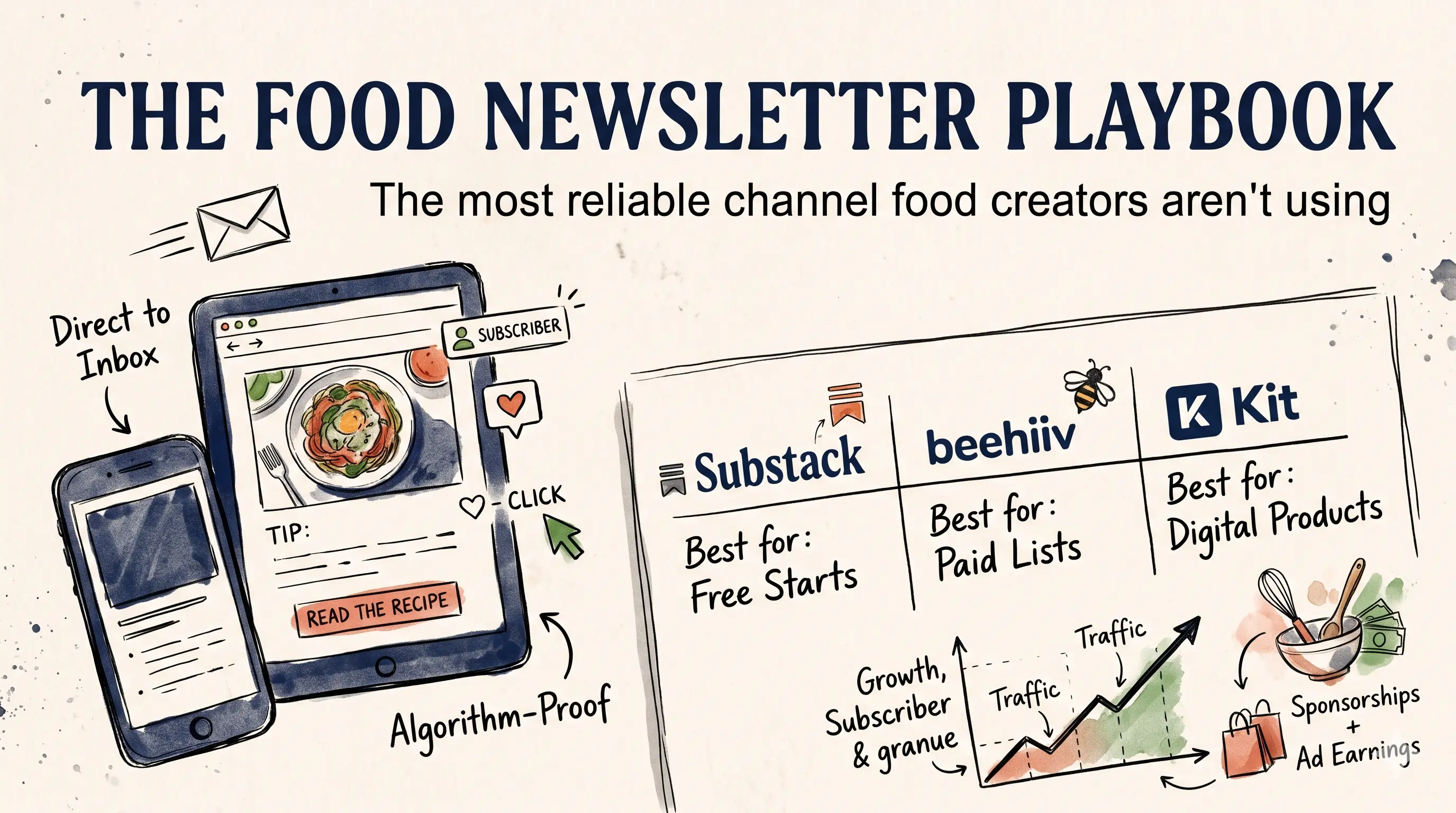
A food creator membership platform lets fans pay monthly or yearly for extras such as members-only recipes, meal plans, ad-free reading or live cook-alongs. Patreon takes 10% of earnings plus processing fees, Substack keeps 10% of paid subscriptions, and beehiiv's paid plans take 0%. Pick based on where your members will actually read.
Key takeaways
- Food fans pay for things that save time or feel personal: meal plans, members-only recipes, early access, live cook-alongs and direct questions.
- Patreon takes 10% of income earned plus payment processing, currency conversion and payout fees.
- Substack keeps 10% of paid subscription revenue plus Stripe fees, while beehiiv's paid plans take 0% plus Stripe fees.
- Two or three tiers with clearly different benefits are easier to sell and run than five similar ones.
- Retention comes from a predictable schedule, so promise only what you can deliver every week or month.
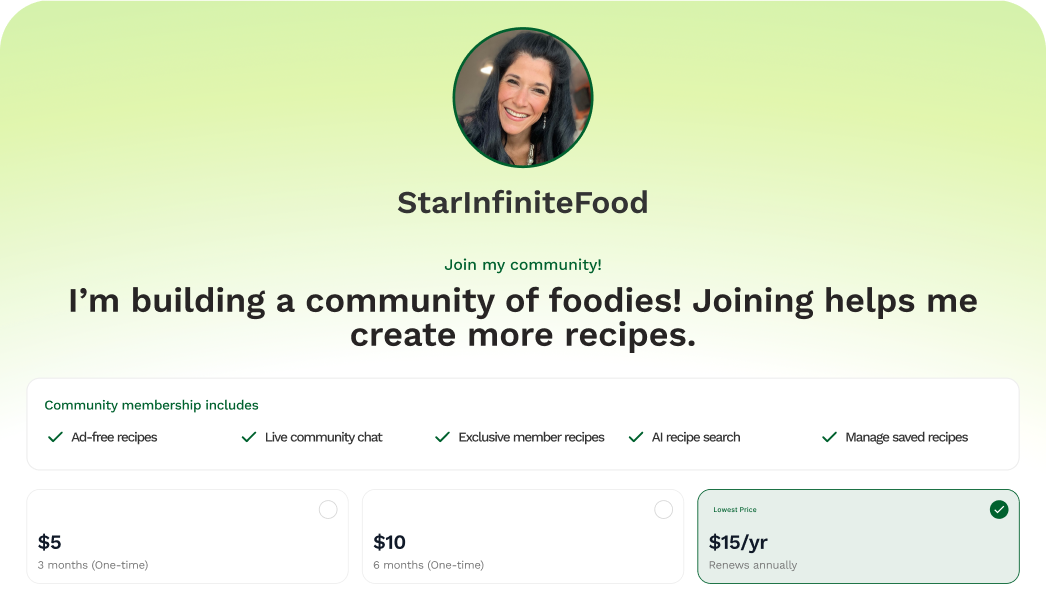
A food creator membership platform turns your most loyal followers into steady monthly income. Brand deals come and go, and ad income moves with the seasons, but a member who pays every month gives you a base to plan around.
Our point of view: sell time saved, not "exclusive content". Food fans join for a meal plan that answers "what's for dinner", not for a vague promise of extras. Start from the problem your members want solved.
What do food members pay for?
Food members pay for things that save time or feel personal. The most common benefits:
Weekly meal plans with a shopping list, so the week is decided.
Members-only recipes, especially the ones followers keep asking for.
Early access to new recipes before they go public.
Ad-free reading of your recipe archive.
Live cook-alongs or Q&A sessions.
Direct questions, such as substitutions or troubleshooting.
Pick one main benefit and do it well. A meal plan delivered every Sunday is worth more than six benefits delivered when you remember.
Food creator membership platform options compared
Choose the platform based on where your members will actually spend time. Fees matter, but a platform members never open will lose them.
Platform | Fee on member income | Best for |
|---|---|---|
Patreon | 10%, plus processing, conversion and payout fees | A separate members' space with tiers and community |
Substack | 10% of paid subscriptions, plus Stripe fees | Members who mainly want recipes by email |
beehiiv | 0% on paid plans, plus Stripe fees | Email memberships at larger list sizes |
Sources: Patreon pricing, Substack's pricing help page and beehiiv pricing. Note that beehiiv's paid subscription tools need a paid plan. Check each page before you decide, since terms change.
Pricing tiers that work
Two or three tiers are enough. More than that and people stall trying to compare.
Tier | What it includes | Who it's for |
|---|---|---|
Supporter | A thank-you, early access to new recipes | Fans who want to back your work |
Main | Weekly meal plan, members-only recipes | Most members |
Kitchen table | Everything above, plus live sessions or Q&A | Your most engaged fans |
Price the main tier around the benefit, not your follower count. Ask yourself what a week of planned dinners is worth to a busy reader, then test it. Our guide to the most profitable food blog niches can help you see which audiences tend to pay for planning help.

Earn from every follower, not just members
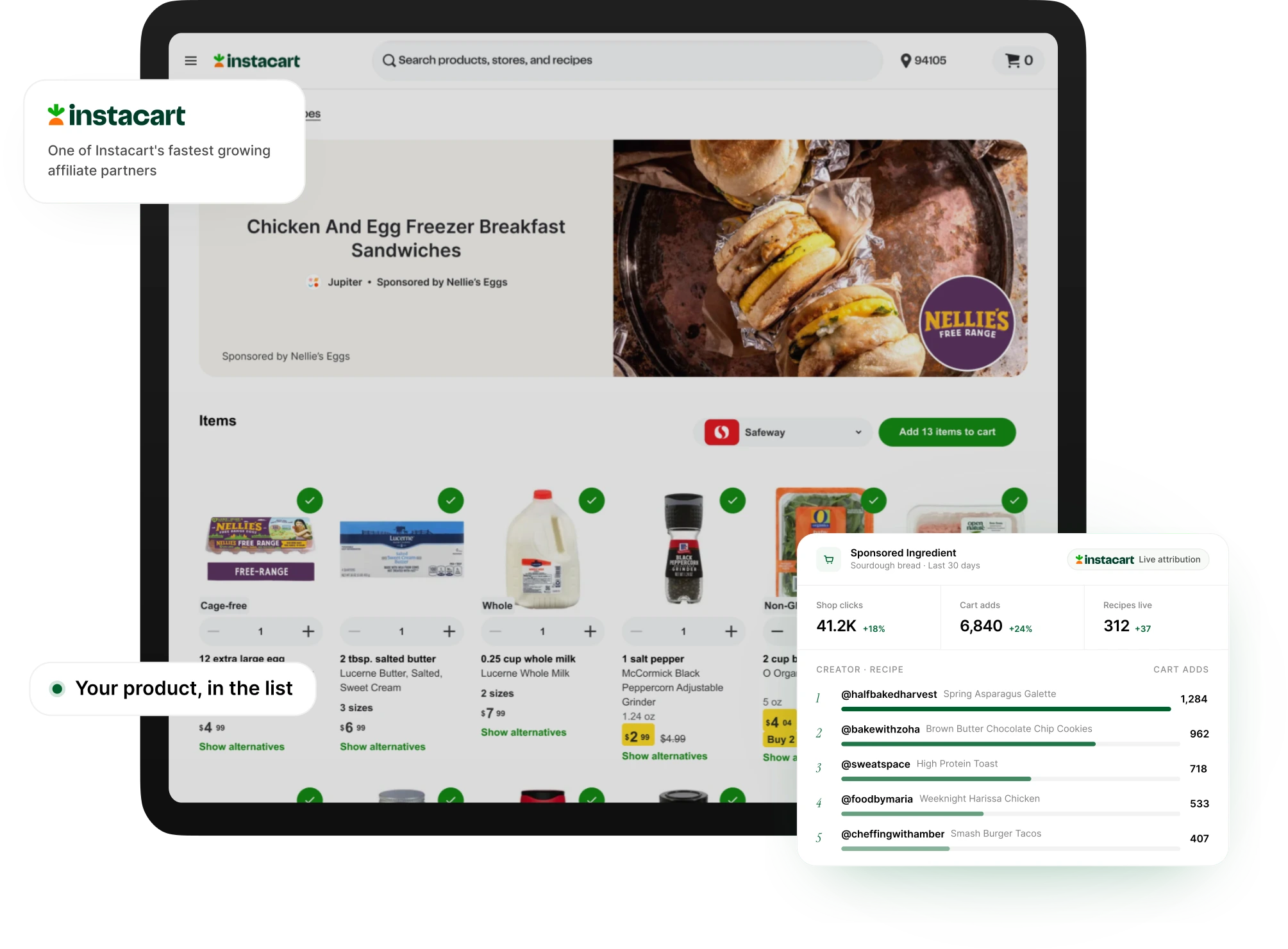
Jupiter adds grocery commissions, brand campaigns and ad inventory to the content you already post.
Launching to your existing followers
Your first members come from people who already engage with you. A simple launch plan:
Ask in Stories what followers would pay for, using a poll with two or three options.
Build a small founding offer around the top answer.
Open a waitlist and share a preview, such as one sample meal plan.
Launch on a set date with a founding price for the first month.
Post member results, with permission, such as a reader cooking the plan.
Launch with enough content ready for the first month. Running behind in week two is the fastest way to lose new members.
Churn and retention
Churn is the share of members who cancel. You can't stop it entirely, but you can slow it.
Keep a fixed schedule. Members should know exactly when the next plan arrives.
Welcome new members well. Send your best recipes and a short guide to the archive in the first week.
Show the value. A monthly recap of what members got makes the price easy to justify.
Ask leavers why. One question on cancel tells you what to fix.
Where memberships fit with other income
A membership works best on top of other streams, not instead of them. Most followers will never pay monthly, so recipe pages, grocery commissions and brand deals still earn from everyone else. See how food bloggers make money and the creator growth playbook for how the pieces fit.
How Jupiter fits into this
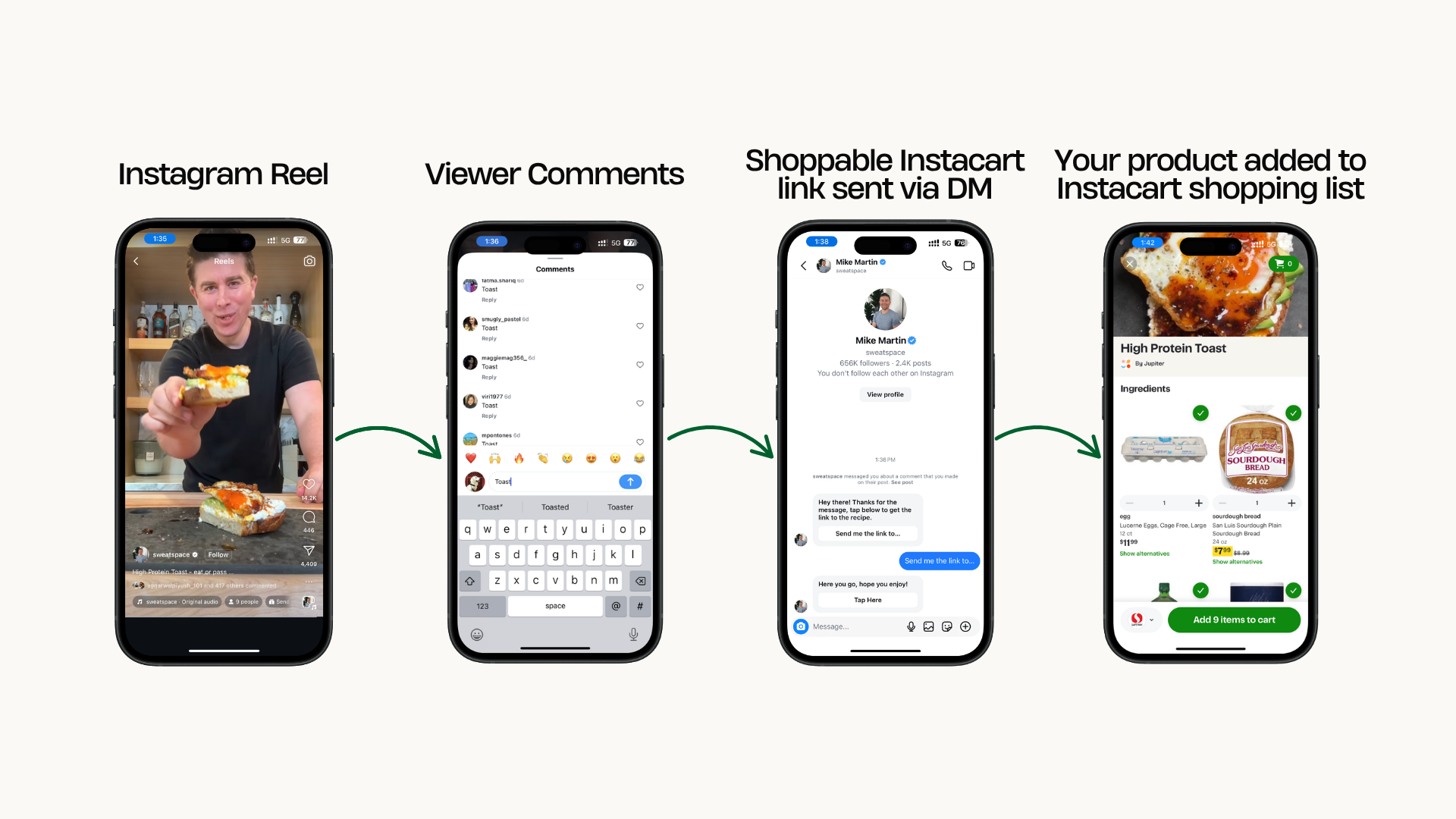
Jupiter helps food creators earn from the followers who won't join a membership. Automatic DMs send a shoppable ingredient list, recipe pages are built from your posts, and you earn commission on what readers buy.
Brand campaigns and ad inventory with no traffic minimum add more. See what Jupiter offers creators.
You can join Jupiter free. There's no follower minimum and it isn't exclusive, so it runs alongside any membership platform.
Join Jupiter and earn from your whole audience
Get recipe pages, grocery commissions and brand campaigns built around the content you already shoot.
FAQs
Quick answers to common questions.
What is the best membership platform for food creators?▼
There isn't one best choice. Patreon suits creators who want a separate members' space and community, while newsletter platforms such as Substack or beehiiv suit creators whose members mainly want recipes by email. Compare fees and where your audience already reads.
How much does Patreon take from creators?▼
Patreon's pricing page says it takes 10% of the income you earn on Patreon, plus payment processing, currency conversion and payout fees, and applicable taxes.
What do food fans pay for in a membership?▼
Most pay for convenience or closeness: weekly meal plans with shopping lists, members-only recipes, early access to new posts, live cook-alongs, and the chance to ask you questions directly.
How many membership tiers should a food creator offer?▼
Two or three is usually enough. A low tier for supporters, a main tier with the core benefit such as meal plans, and an optional top tier with live or personal access.
How do I reduce membership churn?▼
Deliver on a fixed schedule, welcome new members with your best content, and remind members what they got each month. Ask people who cancel why they left, then fix the most common reason.
Related Posts
Browse more from our blog.