Grocery Store Brand Deals for Creators: Retailer Pickup
Some food brands pay creators to buy their product at a real store and film it. Here's what a pick-up-at-retailer campaign involves, why brands care about where you live, how to film in a grocery store without causing problems, and how to get considered.
Grocery store brand deals for creators pay you to find a product in a real store, buy it and film the trip and the recipe. On Jupiter these are called Pick-up at Retailer campaigns, and brands pay a premium for creators near launch markets, because local followers can buy the product where it was just stocked.
Key takeaways
- A pick-up-at-retailer campaign asks you to film a brand's product in your own local store, then show it in use.
- Jupiter says brands pay a premium for creators near launch markets, since local followers can find the product on the same shelf.
- Ask the store before filming, keep other shoppers out of frame, and don't block aisles.
- Keep the receipt and a clear shot of the product on the shelf, because campaigns often need proof the purchase happened.
- Confirm the deliverables, store, dates, disclosure and payment terms for each campaign before you shop.
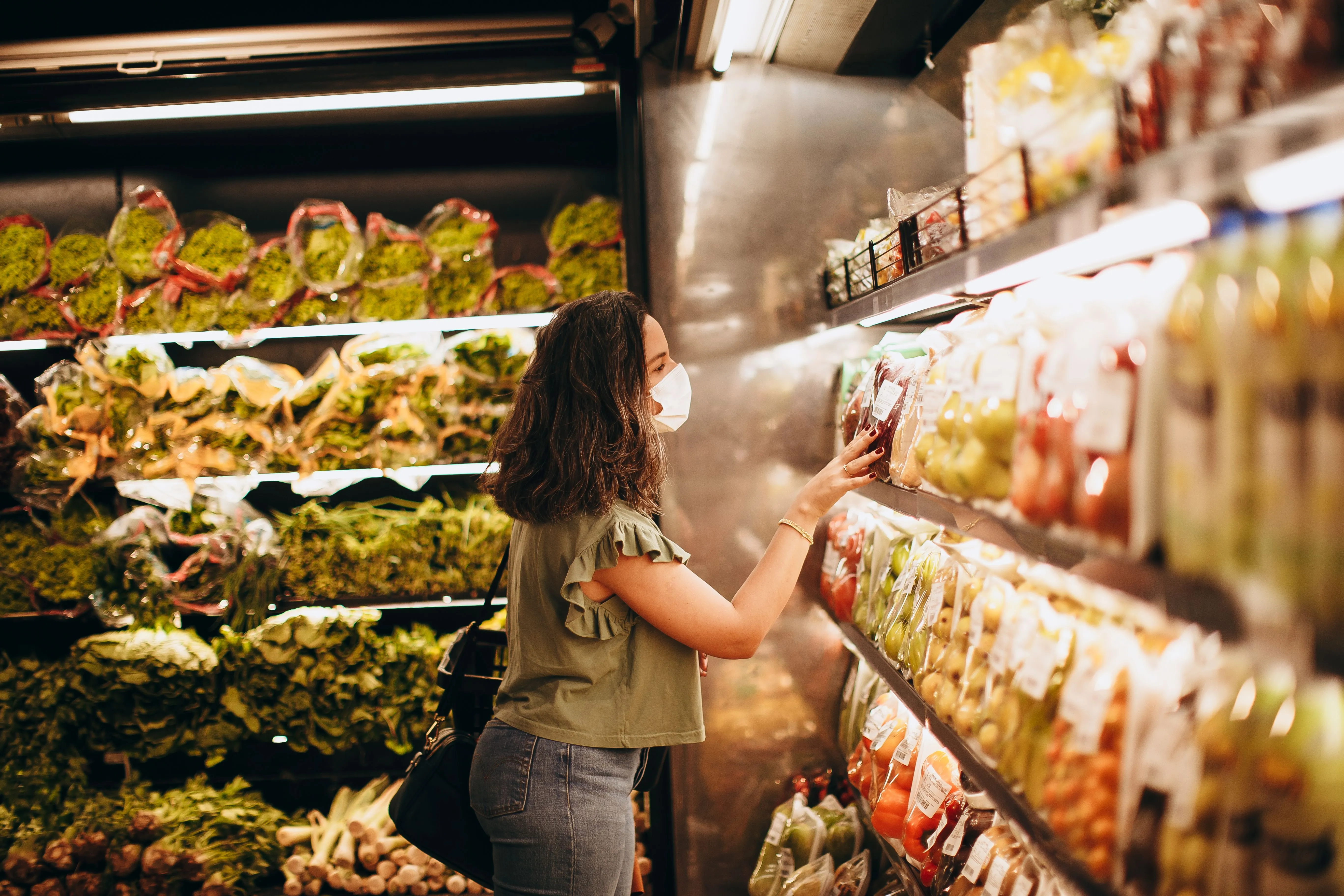
Grocery store brand deals for creators are one of the most practical campaign types in food. Instead of receiving a box at home, you go to a real store, find the product on the shelf, buy it, and show your followers exactly where to get it.
Our point of view: these campaigns reward being local, not being big. A creator whose followers live near the stores carrying a new product can be more useful to a brand than a larger account spread across the country.
What is a grocery store brand deal for creators?
On Jupiter, this is called a Pick-up at Retailer campaign. Jupiter's creator page describes it simply: film the product in your own store.
A typical video follows the path a shopper would take:
The store entrance or aisle, so followers know which chain carries it.
The product on the shelf.
The purchase.
The product at home, going into a recipe. Our guide to sponsored recipe content that converts covers this part.
The finished dish.
The value to the brand is the proof that the product is really there. Followers see the shelf, not just the packaging.
Why do brands pay a premium near launch markets?
Jupiter says brands pay a premium for creators near launch markets. When a product has just been stocked in certain stores or regions, the people who can act on a video are the people who live near those shelves.
That's why your location is part of your pitch. Our guide to landing CPG brand deals as a food creator covers how food brands choose creators more broadly.
How do grocery store brand deals for creators work in practice?
Filming in a store comes with responsibilities a home shoot doesn't. A few habits keep it smooth:
Ask first. Store policies differ, so check with a manager or staff member before you film.
Keep it short. Get your shelf and checkout shots, then finish the rest at home.
Protect other shoppers. Keep faces out of frame and never block an aisle.
Shoot clean shelf shots. Tidy the facing of the product you're filming, but don't move competitors' products around.
Go at quiet times. Early mornings and mid-afternoons on weekdays tend to be easier.

Get considered for in-store campaigns
Jupiter runs brand campaigns for food creators, including Pick-up at Retailer campaigns.
Proof of purchase and receipts
Campaigns like this often need proof that you bought the product where you said you did. Plan for it before you shop.
Keep the paper or digital receipt.
Film or photograph the product on the shelf and at checkout.
Note the store location and date.
Each campaign sets its own requirements, so read them first. Keep the receipt for your own records too, since campaign income and related costs belong in your bookkeeping.
Disclosure
A paid in-store video is still a sponsored post. The FTC's Endorsement Guides call for clear disclosure of material connections, such as payment or free product. On YouTube, the paid product placement setting adds a label for you.
Getting booked on these campaigns
Brands pick creators for retailer campaigns on fit and location. Make both easy to see:
List your city or region in your food blogger media kit and bio.
Mention the grocery chains you shop at regularly.
Show past posts where followers asked where to buy something.
For pitching and media kits, see our guide to getting brand deals as a food creator. The creator growth playbook covers growing the local audience that makes these deals possible.
How Jupiter fits into this
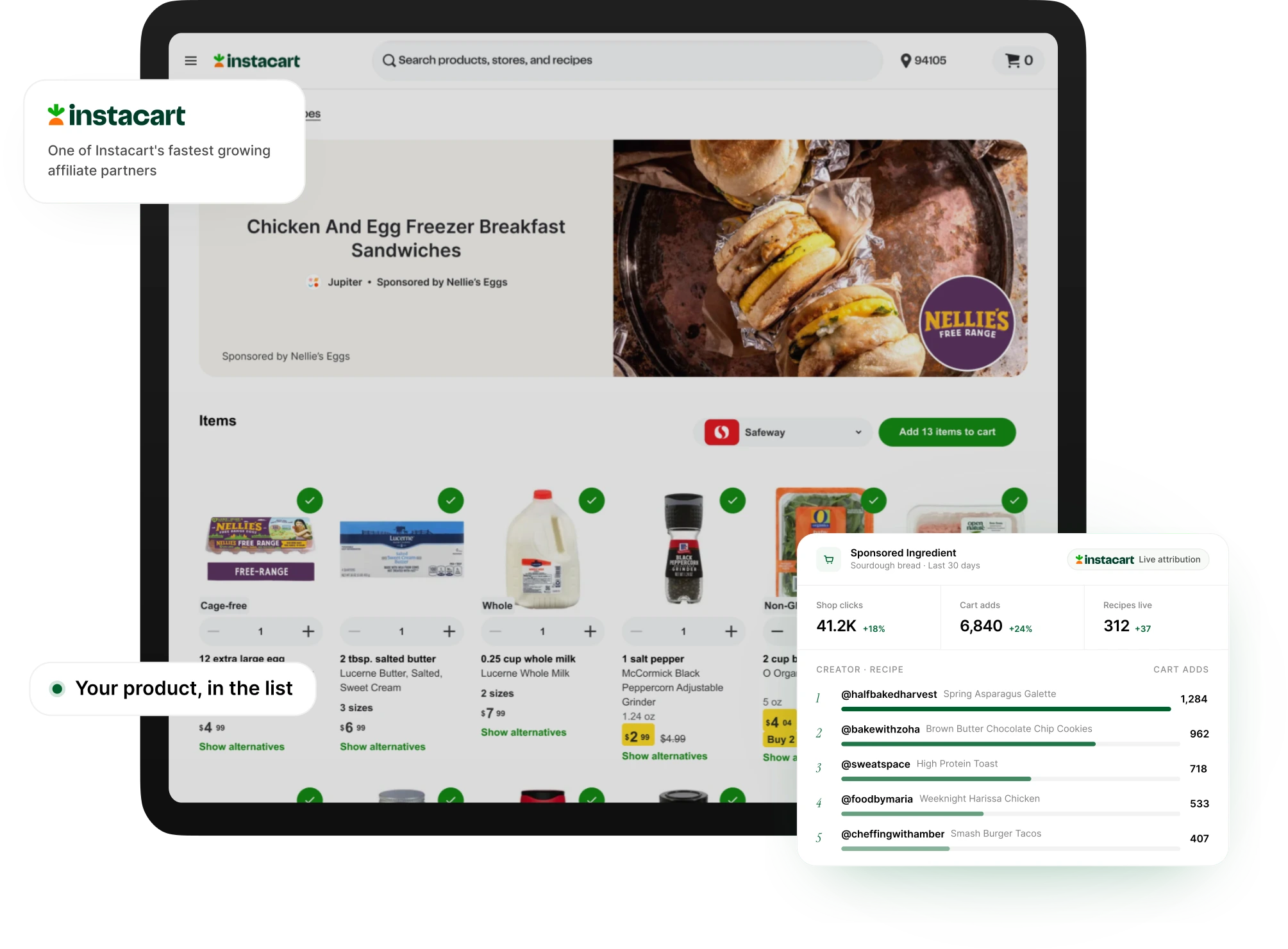
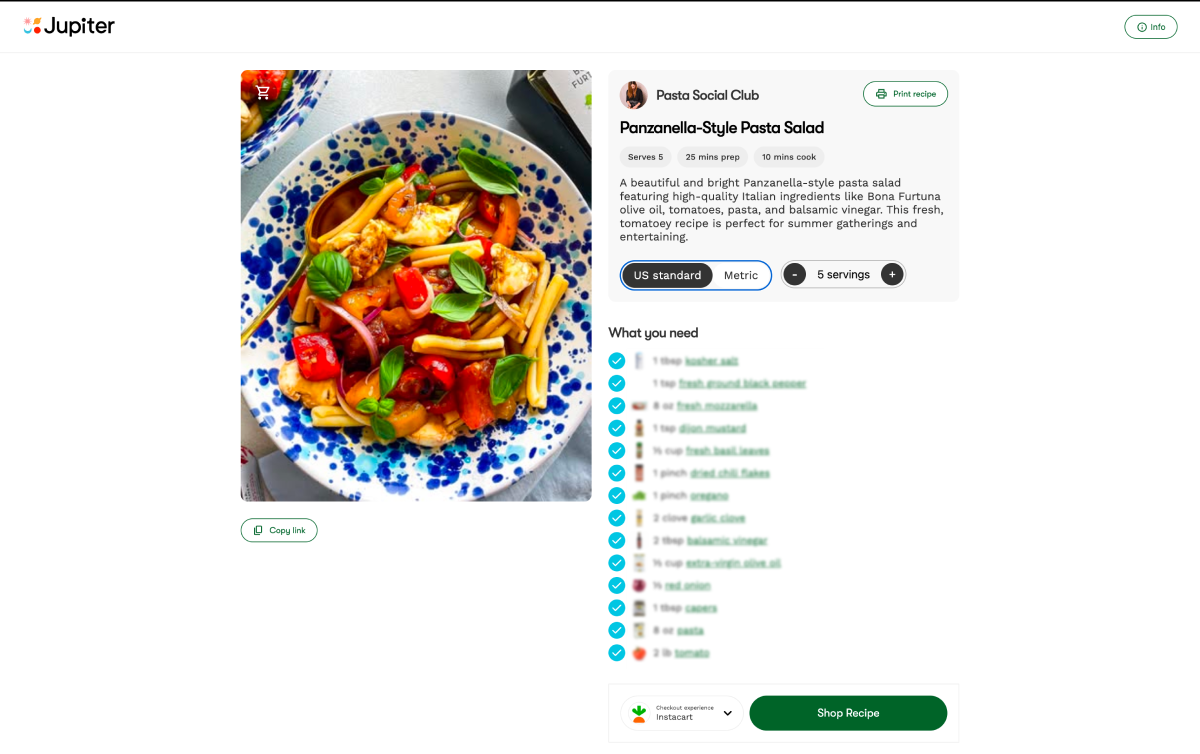
Jupiter runs brand campaigns for food creators, including Pick-up at Retailer campaigns, being paid for the post itself, and making a brand's product the ingredient. Campaign terms, deliverables and proof requirements are set per campaign, so confirm them before you shop.
You can join Jupiter free. There's no follower minimum and it isn't exclusive.
Join Jupiter and get local brand deals
Get recipe pages, grocery commissions and brand campaigns built around the content you already shoot.
FAQs
Quick answers to common questions.
What is a pick-up-at-retailer campaign?▼
It's a brand deal where you buy the brand's product at a physical store and film it, usually the shelf, the purchase and a recipe using it. On Jupiter, the campaign type is described as filming the product in your own store.
Why do brands pay more for creators near launch markets?▼
When a product has just arrived in certain stores or regions, followers who live nearby can actually buy it. Jupiter says brands pay a premium for creators near launch markets for that reason.
Do I need permission to film in a grocery store?▼
Store policies vary, so ask a manager or staff member before you film. Keep it short, stay out of the way of other shoppers, and avoid filming people's faces without their consent.
How do I prove I bought the product?▼
Keep the receipt, and film or photograph the product on the shelf and at checkout. Each campaign sets its own proof requirements, so check them before you go.
Do I need to disclose a retailer pickup deal?▼
Yes. If a brand pays you or gives you something of value for the post, that's a material connection, and the FTC Endorsement Guides call for clear disclosure.
Related Posts
Browse more from our blog.